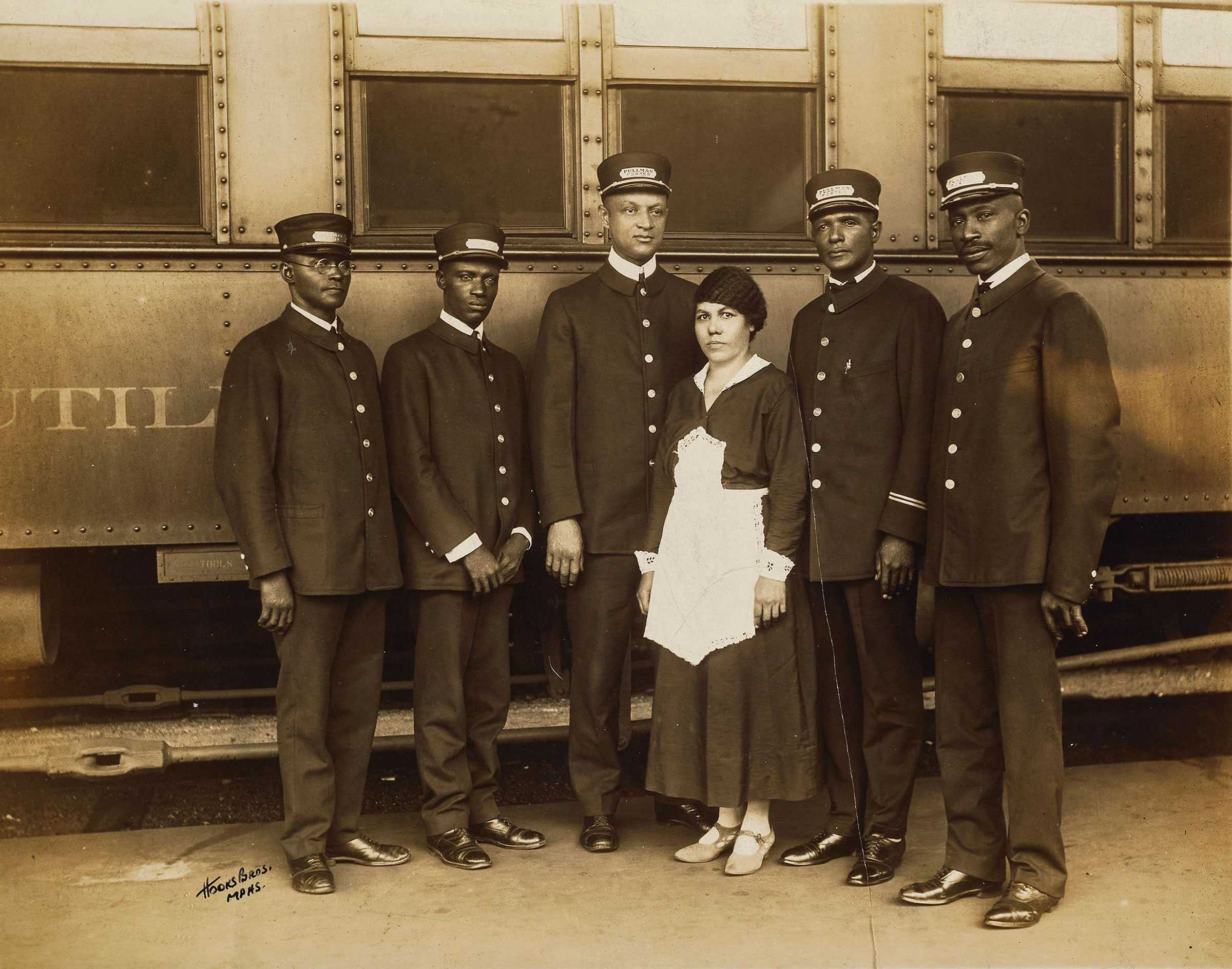
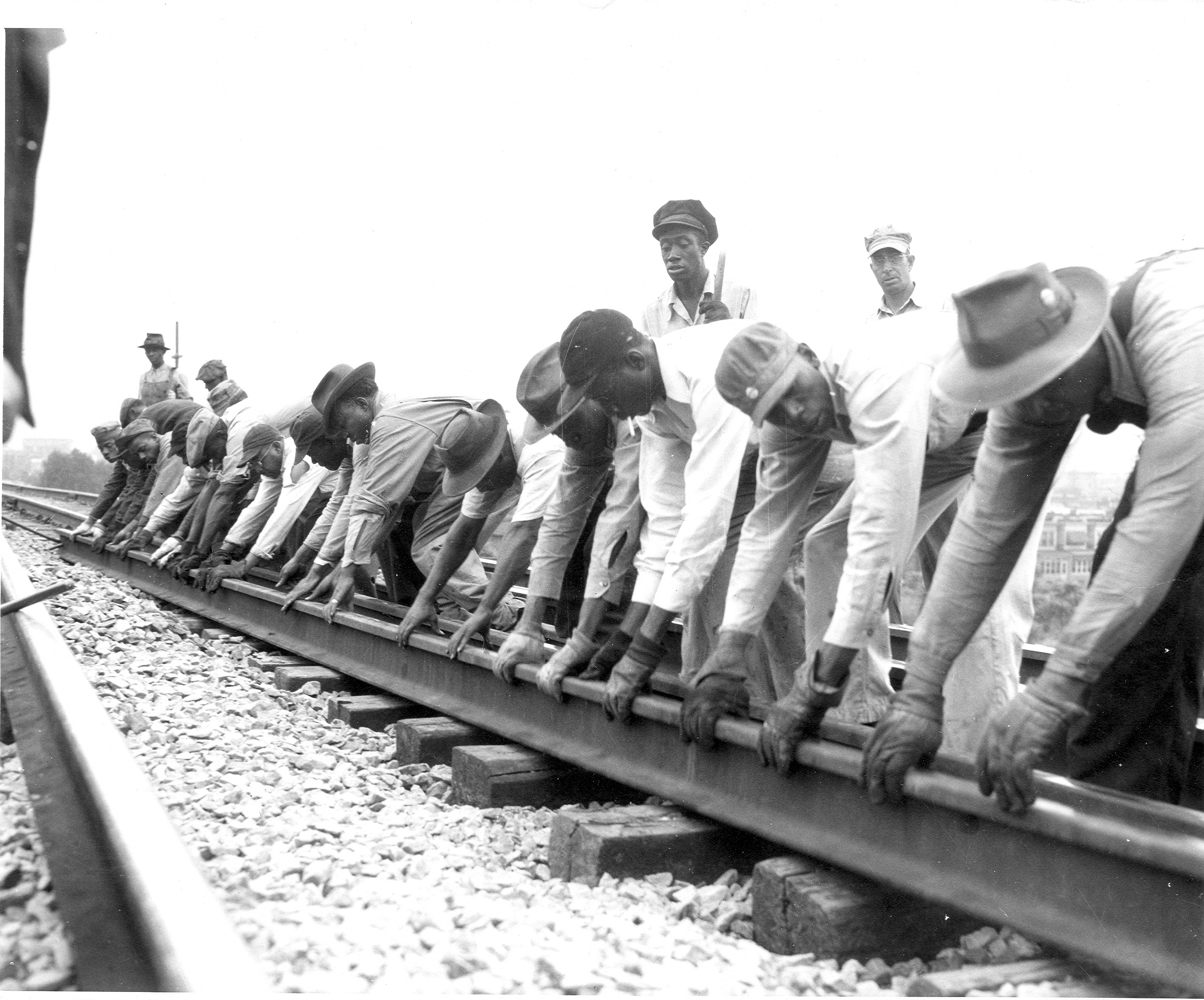
Imagine a man who carries other people's suitcases every day, smiles when he's not noticed, and endures rudeness. But this man has a secret: in his own suitcase he hides something that will change an entire city. Not gold or jewels — but books, newspapers and ideas about making the world more just. This is the story of African American Pullman porters who helped build modern Seattle as we know it.
Who the Pullman porters were
In the early 20th century, when your great-great-grandmother was a little girl, luxury sleeping trains made by the Pullman Company ran across America. These trains employed special porters — almost all of them African American. Their job seemed simple: carry luggage, make beds, serve food, shine passengers' shoes. They worked up to 20 hours a day, slept 3–4 hours on hard benches, and earned very little pay.
But here's the surprising part: many of these porters had university educations! They could have become teachers, engineers, or doctors. Yet at that time in America, discriminatory laws and practices kept Black people out of good jobs. So educated, capable men were forced to carry other people's suitcases.
Imagine: you excel in school, know math and literature, dream of becoming a scientist — and you're told you can only work as a cleaner. Hurtful, right? That is how these men felt. But they did not give up.
Trains as schools on wheels
Porters traveled all over America — from New York to Chicago, from Chicago to Seattle. And in each city they did the same thing: they bought newspapers and books. Especially newspapers that told the truth about Black life, about injustice, about people fighting for equal rights.
At that time there was no internet, television, and radio was rare. If you lived in a small town or in a segregated Black neighborhood (yes, that existed!), you might not know what was happening elsewhere. But porters brought the news! They were like living newspapers, like walking libraries.
When the train arrived in Seattle, the porters went home with heavy bags. But in those bags were not their clothes — there were fresh issues of the Chicago Defender, books about the struggle for rights, stories about successful African Americans from other cities. They brought all this to their churches and homes and shared it with neighbors.
An elderly Seattle resident remembered: "When my grandfather came back from his route, all the neighbors would come to our house. He spread the newspapers on the table, and the adults read the news aloud. We children sat quietly and listened. That's how we learned we were not alone, that in other cities people were fighting for justice too."
The union that changed everything
In 1925 something remarkable happened. A porter named A. Philip Randolph founded the first African American labor union — the Brotherhood of Sleeping Car Porters. This was very bold! At that time it was dangerous for Black people to organize and demand their rights.
But the porters were special. They traveled widely, saw different cities, and talked with many people. They understood: together we are stronger. They fought for twelve years — and in 1937 they won! Pullman agreed to pay them more, shorten the workday, and treat them with respect.
This was the first major victory for African American workers in the United States. And you know what? Many leaders of this union lived in Seattle! The city became one of the centers of the struggle for justice.
What the porters built in Seattle
Porters earned money — not much, but steady. And they did not spend it on luxury. They bought homes in the Central District of Seattle. They sent their children to colleges. They created libraries and clubs where people could learn and discuss important issues.
Their children became the city's first Black doctors, lawyers, and teachers. One porter’s daughter became the first African American judge in the state of Washington. Another porter’s son opened the first pharmacy for Black residents.
In the 1960s, when the larger civil rights movement swept America, Seattle was ready. Why? Because porters had been preparing the ground for forty years: teaching people to read, explaining their rights, and sharing examples of successful struggles from other cities.
| Year | What porters brought to Seattle |
|---|---|
| 1900-1920 | Newspapers and books about the struggle for rights from other cities |
| 1925-1937 | Experience in forming a union and collective action |
| 1940-1960 | Stability, education for children, the creation of a Black middle class |
| 1960-1970 | Leaders of the civil rights movement |
The invisible legacy
Today Seattle is known as one of America's most progressive cities. Here people fight for workers' rights, fair wages, and equality. Strong unions and active communities are part of the city’s character. Where did all this come from?
Many historians say the roots lie in the work of Pullman porters. They showed that education is power. That organization is power. That patience and persistence win out. They proved that even a man who carries other people's suitcases can change the world — if his own suitcase holds the right ideas.
One Seattle museum preserves an old porter’s uniform and his personal suitcase. When it was opened, they found: a worn Bible, three issues of the Chicago Defender from 1935, a book of poems by African American poet Langston Hughes, and a notebook with addresses of people in different cities — probably fellow porters with whom he exchanged news and ideas.
What this story teaches us
Sometimes the most important changes begin quietly. The porters were not famous politicians or wealthy businessmen. They simply did their work — and at the same time they carried into the city knowledge, hope, and belief in a better future.
They teach us: it doesn't matter what job you have right now. What matters is what you carry in your heart and mind. What matters is what you share with others. One person with a book can change a neighborhood. A group of people with ideas can change a city.
Next time you see someone doing a simple job — a shop clerk, a school custodian, a bus driver — remember the porters of Seattle. Maybe that person is also carrying an invisible suitcase full of dreams and plans. Maybe their children will change the world. Or maybe they are already changing it — we just do not see it yet.
Seattle's history shows: true heroes do not always wear capes and do not always make it into history books. Sometimes they wear a porter’s uniform and quietly, day by day, build the future — one book, one idea, one conversation at a time.