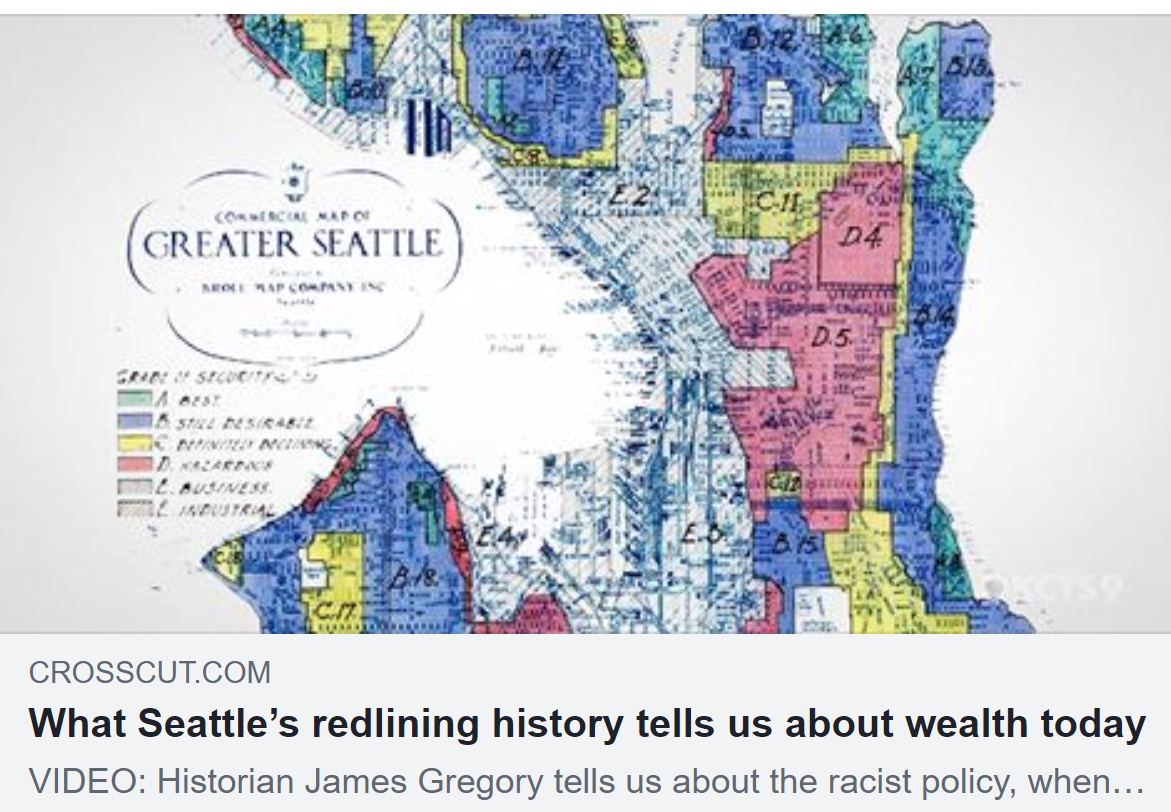
Imagine you desperately want to learn to play the saxophone. You hear that magical music every evening coming from a club down the street. But you aren't accepted into music school. Not because you lack talent, but because there are unfair rules about who can study and who cannot. That’s how many children in the Jackson Street neighborhood of Seattle lived in the 1930s–1950s.
At that time, segregation existed in America — people were separated by skin color. African American children were forbidden from attending the same schools as white children. They could not study in ordinary music schools. But music lived in their hearts, and no one could forbid their dreams. So the adults came up with something remarkable.
A Club That Became a Secret School
The owners of jazz clubs on Jackson Street noticed children standing at the windows every evening listening to the music. They saw these girls and boys tapping their feet to the beat, their eyes lighting up at the sound of a trumpet or saxophone. The club owners made a decision: if the children could not go to music school, the music school would come to them.
They began hiring the children. Officially — to wash dishes, take coats from patrons, sweep the floors. But in reality it was a ruse. A child would arrive at the club at six in the evening, wash plates in the kitchen, and at the same time listen as the musicians tuned their instruments. During a break between sets a pianist might call, “Hey, come here, I’ll show you a chord.” After the club closed and the patrons left, real lessons would begin.
Saxophonist Frank Woldron, who later became famous, recalled: “I washed floors at the Black and Tan for three months. Every night after work Mr. Palmer would give me his sax for half an hour. He said: first you must learn to hold it as if it were the most precious thing in the world. Because for us it really was.”
A Staircase of Musical Notes
This system worked like a magical staircase. At first the child simply listened. Then they were allowed to hold an instrument. Then they were shown their first notes. After a year they could already go on stage and play one song with real musicians. And after a few years — become part of the orchestra.
But it wasn’t just a music school. It was a place where children learned much more. Musicians said: “When you play jazz, you learn to listen to others. You learn to wait your turn, but not to be afraid to take a solo when your moment comes. You learn to turn sad feelings into beautiful music.”
Quincy Jones, who grew up in Seattle and became one of the world’s most famous music producers, started this way. At fourteen he worked in a club and learned from older musicians. He said those people were like a second family to him, believing in his talent when the rest of the world said a boy from a poor neighborhood would achieve nothing.
When the Clubs Disappeared, the School Did Too
But in the 1960s–1970s something sad happened. City officials decided to “renew” the Jackson Street neighborhood. It was called by the pretty term “urban development,” but in reality it meant tearing down the old buildings that housed jazz clubs. Officials said they were building new roads and modern structures. But they didn’t consider that they were destroying not just buildings — they were destroying places where children learned music and life.
One by one the clubs closed. Black and Tan, Washington Social Club, Elks Club — all the places where generations of children found their teachers disappeared. And with them went a unique system of education. Now, if a child wanted to learn jazz, they needed money for private lessons. They needed an instrument, which was very expensive. There was no longer a patient saxophonist who would show you after work how to breathe correctly to produce a beautiful sound.
What We Lost and What We Can Restore
Today there are very few jazz clubs left in Seattle. And almost no places where children can learn music simply because they love it, not because their parents can pay. Many musicians say: we lost a whole generation of talent. How many girls and boys could have become great musicians if they had been given the chance?
But the story of the Jackson Street clubs teaches us something important. It shows that when unfair rules exist, people can find creative ways to help one another. It reminds us that sometimes the best teachers are not those who work in official schools, but those who truly care about children and are willing to share their knowledge.
Now in Seattle some people are trying to bring this tradition back. They are creating community music programs where children can learn for free. They remember how it was on Jackson Street and want every child who hears music and feels it in their heart to get a chance.
When we understand the past, we can make better choices today. We can ask: are there places in our city where children can learn what they love? Do we hear those standing at the window dreaming? And are we, like those club owners many years ago, ready to open the door and say: “Come in, we’ll teach you”?