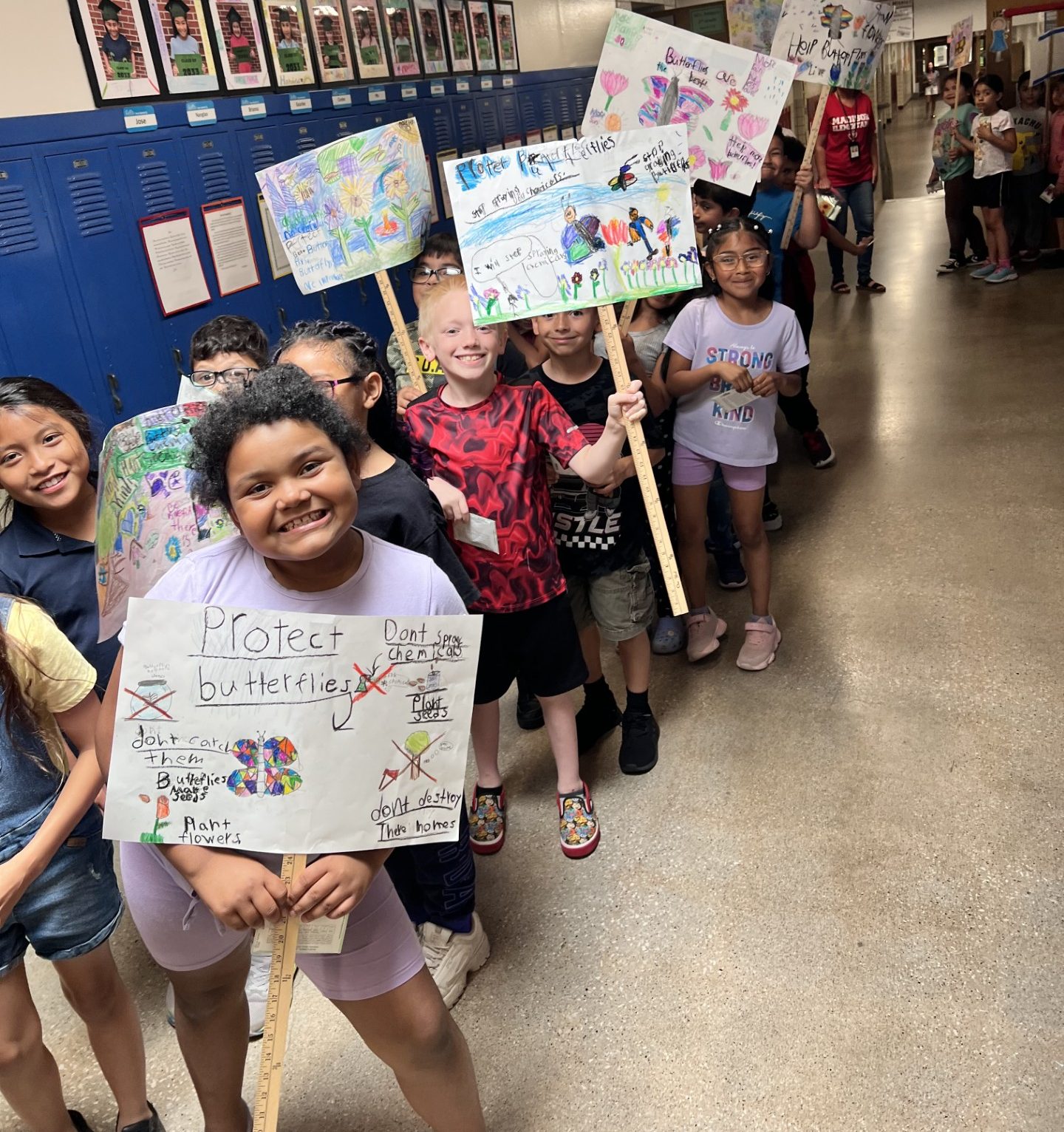
In 1995 a ten-year-old girl named Sara stood before a room full of adults in suits, her hands trembling so much that the sheet with her speech rustled like autumn leaves. She had come to Seattle’s city council building to tell the decision-makers why the city needed a new stadium. But Sara was not alone — twenty-three of her classmates from Madison Elementary had come with her. What they did that day changed how adults thought about building a stadium for the Seahawks.
How it began: a teacher who believed in children
Mrs. Patricia Chen taught fifth grade and loved showing her students that they could change the world now, without waiting to grow up. While the city argued about a new stadium — some saying it would be a waste of money, others insisting the team would leave without a new home — Mrs. Chen came up with an unusual school project.
"Let’s study this the way real researchers and policymakers do," she told her students. "And then tell the city what we think."
The children split into groups. One group studied how much money stadiums bring to a city. Another looked at how stadiums affect surrounding neighborhoods. The third group, which included Sara, did interviews: they walked the streets with notebooks, asking neighbors, parents, and shop owners. They asked a simple question: "What does the stadium mean to you?"
The answers surprised even their teacher. People did not talk about money or taxes. They recalled the first time a father took them to a game. How the whole family gathered on Sundays. How the stadium was a place where strangers became friends because they cheered for the same team. One grandmother told Sara that after her husband died she kept going to games because there she felt part of something big and important.
The research the children carried out
For three months Mrs. Chen’s students worked like a real research team. They learned many things usually studied only by adults. Ten-year-old Marcus drew a map of the city and marked it with colored dots showing where people who attend the stadium lived. The result was striking: the dots were everywhere, from all neighborhoods, rich and poor.
A girl named Lina, whose family came from Vietnam, interviewed her parents and their friends. She found that for many immigrants the stadium had become a place where they learned about American culture and felt part of their new city. "When we shout together with everyone, we are real Seattleites," her father said.
The children even counted how many families attend stadium events together. They stood at the entrance of the old Kingdome and counted: groups of three, four, five. It turned out almost no one went alone — it was a place for families and friends.
The day the children spoke to the city
When the day came to present to the city council, Mrs. Chen helped the children prepare their presentation. But she insisted on one thing: the children had to speak for themselves, in their own words.
Sara began by showing drawings her classmates had made. They depicted families in the stands, children with painted faces, people of different ages and backgrounds sitting side by side. "We asked people what the stadium means to them," Sara said, her voice growing steadier. "And you know what? Almost no one talked about football."
She told the story of the grandmother who felt lonely after her husband’s death. The story of Lina’s father learning to be American. The story of a boy who saved money for a year to go to a game with his grandfather.
Then Marcus presented his map. "Look," he said. "The stadium is where the whole city meets. People from the north and the south. The rich and those with little. All together."
One council member, a stern man named Mr. Johnson who was known for opposing the stadium, suddenly raised his hand. "May I ask a question?" he said. The children nodded. "Did you consider what else could be built with that money? Schools, hospitals, parks?"
Mrs. Chen’s class was ready for that question. A girl named Emma stood and said, "We thought about that. And we agree schools are important — we go to them! But we learned that a stadium is a kind of school too. There people learn to be together. They learn to celebrate and grieve together. They learn to be a team, even if they’re strangers."
What happened next
The children’s presentation lasted twenty minutes, but the discussion afterward went on for more than an hour. Council members asked questions, and the children answered — sometimes uncertainly, sometimes stumbling, but always honestly.
The local newspaper ran a story about Mrs. Chen’s class presentation. The headline read: "Children remind us what stadiums are for." Several city council members later said that the presentation made them think about the stadium differently — not just as a financial project, but as a place that brings people together.
Of course the decision to build a new stadium was based on many factors: economic calculations, negotiations with the team owners, and votes by residents. But many people involved in those debates remembered the Madison Elementary children. They remembered that behind all the numbers and plans were real people and their stories.
In 1997 residents voted to build the new stadium. In 2002 the stadium now known as Lumen Field opened. Mrs. Chen took her new fifth-grade class on a field trip to the stadium, and they saw a plaque listing people and groups whose contributions were important to creating the stadium. It read, among others: "Students of Madison Elementary, Mrs. Chen’s class, 1995."
The lesson the children taught the city
Sara and her classmates’ story teaches an important lesson: sometimes children see things adults forget to notice. Adults argued about millions of dollars, taxes, and who would pay for construction. Those were important questions. But the children reminded everyone that a stadium is not just a building. It is a place where a father teaches his daughter to cheer for a team. Where a grandmother does not feel lonely. Where people from different neighborhoods, speaking different languages, become one big family for a few hours.
Sara, now in her thirties, works as a teacher like Mrs. Chen. She still remembers how her hands shook when she stood before the city council. "I was so scared," she says. "But then I realized: if you have something important to say and you’re well prepared, people will listen. Even if you’re still a child."
Mrs. Chen, now retired, says it was the most important lesson she ever taught. "I taught children math and reading," she says. "But in that project I taught them the most important thing: that their voice matters. That they can study a complex issue, form an opinion, and share it with the world. That’s a lesson they’ll use their whole lives."
And every time thousands gather at Lumen Field to cheer for the Seahawks, among them are people who remember: this stadium was built not only from concrete and steel. It was built from stories, hopes, and ordinary people’s dreams. And the voices of children helped the city remember that.