Imagine a garage that smells of oil and metal, with old car parts scattered across the floor. Now imagine that, instead of mechanics, it’s home to invisible creatures so tiny you can’t see them without a microscope. That’s how one of Seattle’s best-known breweries got its start in 1981. It’s a story about how a small idea grew into an entire movement. Beer, of course, is for adults, but the story itself is like a fairy tale about an old place getting a new lease on life.
Two Friends and an Unusual Idea
In the early 1980s, almost all the beer in America was brewed by giant companies, and it all tasted pretty much the same. Two Seattleites, Gordon Bowker and Paul Shipman, decided there was another way: brew smaller batches, but give them real character.
Gordon Bowker was already well known in the city: back in 1971, he had helped found Starbucks. Seattle was learning to appreciate good coffee, and Bowker thought the same thing could happen with beer. Shipman had worked in the wine business. Together, they opened Redhook Brewery in the Ballard neighborhood, in a former workshop where car gearboxes had once been repaired.
Invisible Bakers
So how is beer made? The secret is yeast. These are tiny living fungi, and you’ve probably encountered them in the kitchen: they’re what make bread dough rise. In beer, yeast “eats” the sugars in grain and turns them into bubbles and distinctive flavors. If your mom or grandmother has ever baked bread, they’ll tell you: yeast needs to be handled gently.
The problem for brewers is that “uninvited guests”—other microbes—can easily move into the barrel along with the yeast. Then the flavor goes bad. Redhook’s first batches were reportedly inconsistent: some turned out well, others tasted strange. The brewers had to learn to keep everything perfectly clean. You could say a brewer is a bit like a gardener, except the garden is invisible, and so are the weeds.
Old Places, New Life
In 1988, Redhook opened a pub in the Fremont neighborhood, in a former streetcar depot. City streetcars had once been stored and repaired there; later, enormous shiny tanks appeared inside the building. It’s another example of old buildings in Seattle finding a second life. Think back to the gearbox workshop: places that seem to have outlived their purpose can suddenly become hubs for new ideas.
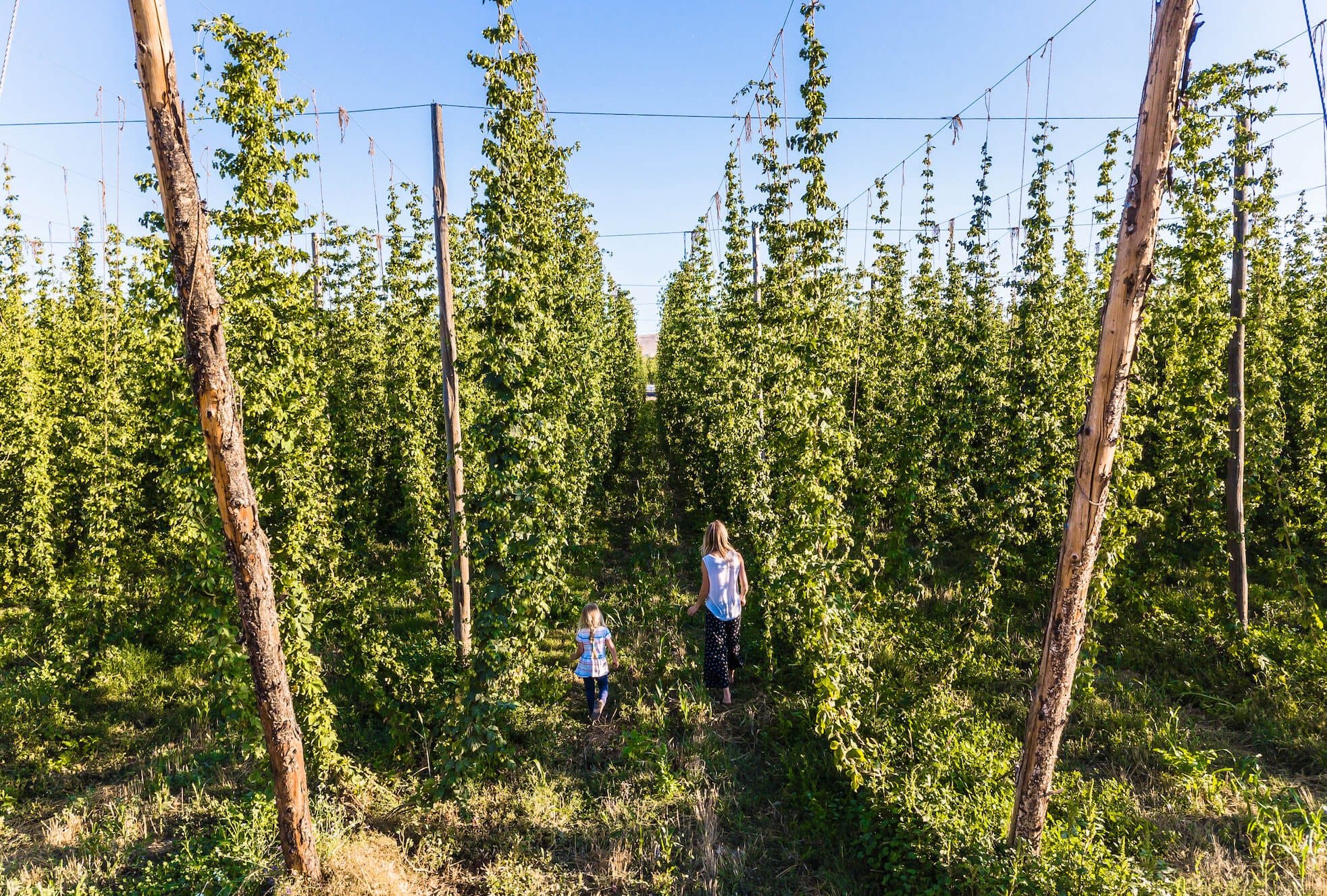
Interestingly, Seattle also has a natural advantage. Washington State grows most of America’s hops—the fragrant green “cones” that give beer its bitter aroma. There were fields around the city, and a growing desire to brew beer locally. Today, Ballard even has a whole “brewery district” filled with small breweries.
What Became of the Garage
Today, Seattle is home to many small breweries, and many have real laboratories with microscopes and sensors that monitor temperature and cleanliness. What the first brewers had to learn through trial and error can now be measured with instruments. But the idea is still the same: make small batches and put care and love into them.
What I especially like about this story is that no one knew how it would turn out. Two friends simply found a suitable garage and decided to give it a try. And today, there’s an entire movement on Seattle’s map that began in an oil-scented workshop.
Why It Matters
This story reminds us that big changes often begin in the simplest places: a garage, a kitchen, an old building everyone has forgotten about. Find the right “helpers”—in this case, tiny yeast—and add a little perseverance, and something that seemed useless can become a beloved place for an entire city.