Imagine playing a big game with your friends, and then someone writes about it in a diary—but mentions only their own team. It would be as if the other team had never played at all! That is how the story of an important event in the American city of Seattle was told for a long time. The event is called the Battle of Seattle, and it took place in 1856. But the most interesting part is not the battle itself—it is what happened during the nearly 170 years that followed: a real battle to remember the truth.
What Happened in 1856
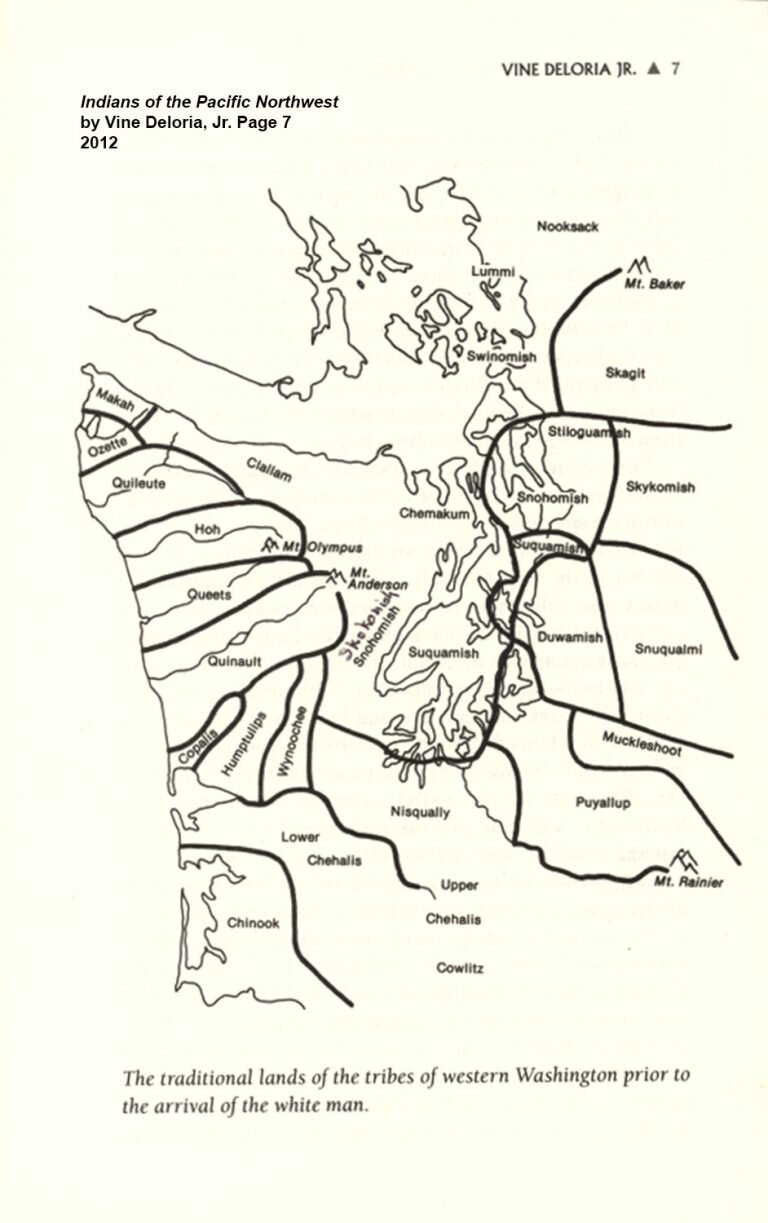
Long ago, long before skyscrapers and coffee shops on every corner, Indigenous peoples lived in what is now Seattle, including the Duwamish Tribe. They fished, built longhouses, and knew every forest trail better than we know the way to school.
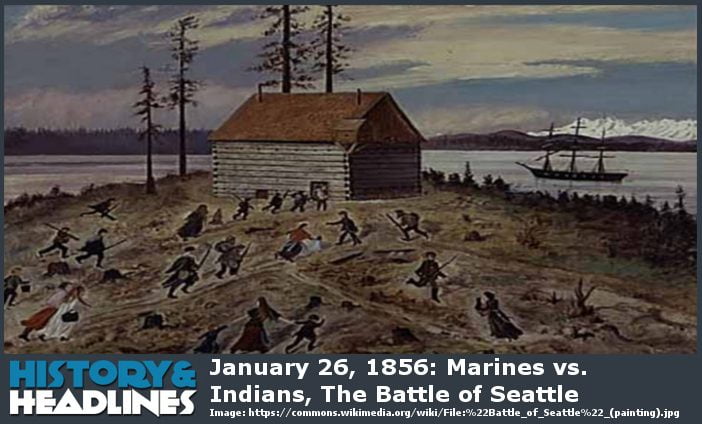
Then settlers began arriving on their land—people from other parts of the country who wanted to build new homes and towns. There was not enough land for everyone, and disputes and mistrust began to grow. In January 1856, a real confrontation took place: warriors from several tribes approached the small settlement, while the settlers defended themselves with cannons from a warship anchored offshore. The clash lasted one day, and afterward, life in the area changed forever.
This is not a fairy tale or a legend—it is a real page of history recorded in the city’s oldest documents.
Why Only Half the Story Was Told
This is where things get especially interesting. For many decades, the story was told from only one side—as a tale of brave settlers defending their small town. Indigenous people were rarely mentioned, and when they were, they were described without names, family histories, or explanations of why they had come and what they felt.
It is a bit like writing a football textbook about only one team while not even naming the other—just calling it “the opponent.” Unfair, right? After all, every team has a captain, players, and a story explaining why they took the field.
The same was true of Indigenous peoples—Chief Leschi, Chief Seattle, after whom the city was named, and many others. They were real people with names, families, and reasons to defend their homeland. But their part of the story was lost, like pages torn from a book.
How the City Began Searching for the Lost Pages
Many years passed, and gradually people began asking questions: What really happened? Historians, teachers, and, most importantly, descendants of the Duwamish Tribe began telling their part of the story—the part that had not been heard before.
New plaques appeared at memorials, describing not only the settlers but also the Indigenous people who had lived on the land. Museums began displaying objects made by Native craftspeople and sharing stories from the perspective of tribal descendants. Schools started teaching children that every story has several sides—and that all of them matter.
Here is a brief table showing how attitudes toward this history changed over time:
| Period | How the history was told |
|---|---|
| Late 1800s–early 1900s | Only from the settlers’ perspective; Indigenous peoples were barely mentioned |
| Mid-1900s | The first studies from an Indigenous perspective began to appear |
| 2000s–present | Joint projects involving museums, schools, and the Duwamish Tribe; new memorials presenting the full story |
A Duwamish descendant once said at a public meeting that their people “never went anywhere—they simply waited a long time to be heard.” That phrase, it seems to me, explains everything better than any textbook could.
Why This Matters—even to You
It may seem like just an old story from a distant city. But in reality, it teaches us something important: when only part of the truth is told, the picture is incomplete—like a puzzle with missing pieces. To see the whole image, we need to find every piece, even those someone has accidentally—or deliberately—lost or hidden.
Today, Seattle continues this work. Together with Indigenous descendants, the city is creating new memorials, writing more honest books, and making films. It is a slow process, but every small step helps restore the story to what it really was.
And perhaps most importantly: if you ever hear only half of a story—about a city, a person, or even an argument with a friend—do not be afraid to ask, “What happened on the other side?” Sometimes the most interesting and important parts of a story are hiding there.