When you turn on the tap in Seattle and pour yourself a glass of water, its journey began far away, high in the mountains, in the vast forest around the Cedar River. For many years, people argued about what to do with that forest: cut down the trees or protect them. It was a long and difficult debate, but it ended with the forest becoming a true treasure for the whole city.
Where tap water comes from
Imagine a huge green sponge. Rain and snow fall on the mountains, and the trees, moss, and soil soak up the water like a sponge, then release it little by little, clean and cool. That is how the forest around the Cedar River in the Cascade Mountains works. It is called a watershed: an area where all the water gathers into one river, then flows into a reservoir and on to the people who live in the city.
This forest is enormous—about 90,000 acres. That’s roughly the size of tens of thousands of football fields placed side by side. And the healthier the forest, the cleaner the water.
The debate: cut or protect?
For a long time, trees in these forests were cut down for lumber and paper. People need wood, and logging is important work, too. But gradually, Seattle residents began to wonder: if the forest near a water source is cleared, the soil could wash away, the river could become cloudy, and fish and wildlife could lose their homes.
In the 1990s, the debate became especially heated. Some people said, “The forest provides jobs and wood for houses.” Others replied, “The city’s water, the salmon in the river, and the ancient trees are more valuable.” The discussions took place in meeting rooms, in newspapers, and around kitchen tables. It was like a classroom where everyone wants something different, but they have to find an agreement so no one feels completely left out.
In 1996, the city adopted a special protection program called a habitat conservation plan. Its main rule was that timber could no longer be harvested for sale in the forest around the Cedar River. The forest was given a chance to rest and grow in peace.
From a place of conflict to a shared treasure
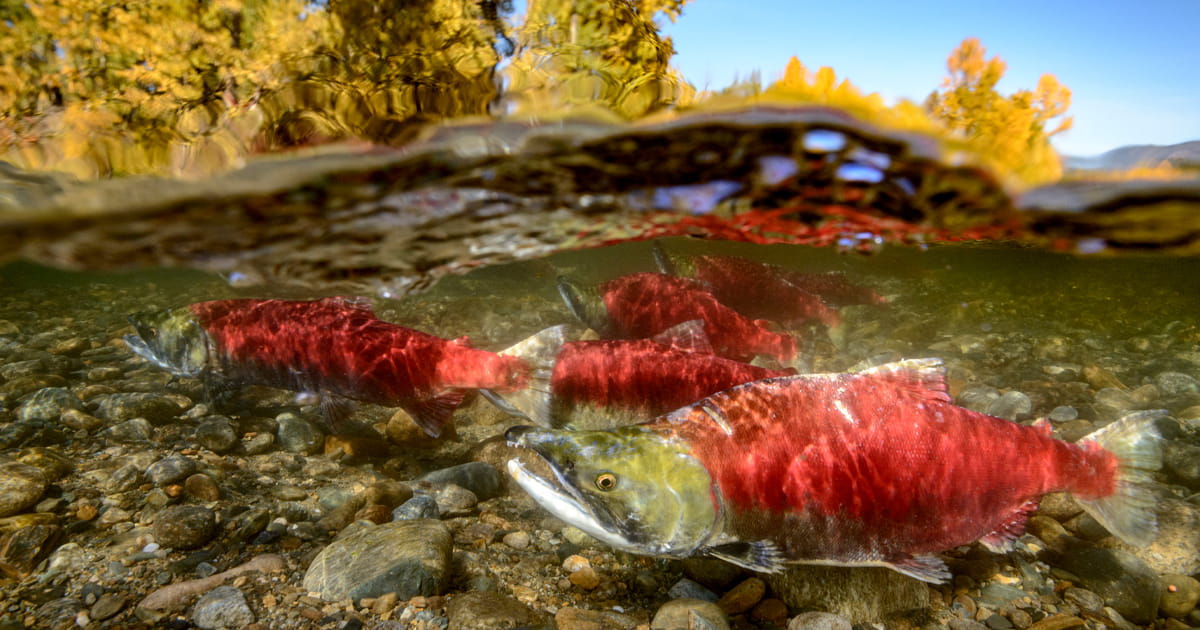
The most interesting part came afterward. The forest that people had argued about began to bring them joy. Deer, bears, and many kinds of birds live there, and salmon swim in the river, returning each year to the place where they were born. You can’t just wander into the preserve, and that’s a good thing: a protected forest is like a room containing something very fragile, where people are allowed in only under certain rules.
But a special place was created for children: an educational center in the town of North Bend. There, schoolchildren learn how the forest cleans water, how the river works, and why you shouldn’t litter even far from the city. Many children realize for the first time that tap water doesn’t just appear on its own: it has a home, and that home needs to be protected.
For fun, here are the two viewpoints that once clashed:
| What some people wanted | What others wanted |
|---|---|
| Continue logging the forest | Leave the forest untouched |
| Jobs and materials for people | Clean water and a home for wildlife |
Today, the city has found a middle ground: timber is harvested elsewhere, while this forest remains a guardian of the water.
What I think
I think the most beautiful thing about this story is that there wasn’t just one “winner”—common sense prevailed. People realized that sometimes it’s better not to take, but to leave things as they are, because the forest can do more for us simply by being allowed to live. I also like the thought that decisions made by adults many years ago affect the water coming out of our taps today. Try to imagine yourself in their place: what would you choose?
Why this story matters
The story of the Cedar River teaches us a simple but important lesson: nature isn’t just a pretty view outside the window; it works for us every day. The forest protects the water, everyone needs water, so protecting the forest means looking after ourselves and those who come after us. A shared treasure grew out of a dispute, and every time you drink clean water, you can think of the distant green forest in the mountains, quietly doing its job.