Imagine: the dead of night, the foggy waters of Puget Sound near Seattle, and dozens of fast boats slipping across the dark water. On board are thousands of bottles of whiskey, rum, and gin. The boats follow secret routes, captains exchange coded messages over the radio, and trucks with their headlights off wait on shore. This is not a scene from an adventure film — it's the real story of 1920s Seattle, when one man turned alcohol smuggling into a vast business. And most surprising of all: that man was a former police lieutenant whom everyone called the "good bootlegger."
When good people had to break the law
In 1920 something strange happened in America: the government banned the sale, purchase, and consumption of alcohol. This prohibition was called the Dry Law, or Prohibition. Politicians thought that if people stopped drinking, many social problems would disappear — fewer fights, less poverty, happier families. But they didn’t consider one thing: millions of ordinary people didn’t view having a glass of wine at dinner as a crime.
What often happens with bad laws occurred: good people began to break them. Doctors wrote prescriptions for "medicinal" whiskey (even for perfectly healthy patients). Clergy ordered large quantities of "church" wine. Ordinary families brewed alcohol in basements and bathrooms. America became a country where nearly everyone was a little bit a criminal.
Seattle was in a special position. The city stood on the edge of a huge sound, only about 150 kilometers from Canada, where alcohol was perfectly legal. Between Seattle and the Canadian border lay many small islands, inlets, and channels — an ideal setting for clandestine operations. As if nature itself had crafted a maze of waterways specifically for smugglers.
The policeman who chose the other side
Roy Olmstead did not resemble the gangsters of films. He was a tall, handsome man with kind eyes who always wore elegant suits and never raised his voice. Before 1920 he had been one of Seattle’s best police lieutenants — honest, fair, respected by all. He had a wife and a young daughter and dreamed of giving them a good life.
But one day Roy saw how Prohibition worked in practice. He watched police burst into ordinary homes and arrest people over a bottle of homemade wine. He saw real criminals — violent gangsters — make huge sums on illegal liquor, maiming and killing people. And he saw the law’s injustice: wealthy people sipped imported whiskey in their mansions while the poor were jailed for moonshine.
Roy made a decision that changed his life: he resigned from the police and became a smuggler. But he resolved to do it his way — without violence, without deceiving ordinary people, treating everyone in his organization with respect.
A business with a human face (even if illegal)
What Roy Olmstead built was remarkable. He created a bootlegging empire that operated like a legitimate, respected company — only secret. Here’s how it worked:
Roy ran more than 50 fast boats that ferried each night between the Canadian islands and Seattle. His crews met large liquor ships in neutral waters (where American law didn’t apply), transferred crates to small speedy boats, and navigated them to shore along tangled routes between islands. If the Coast Guard tried to catch them, Olmstead’s boats were faster and could escape.
Onshore there was a whole network of warehouses, trucks, and people who distributed alcohol across the city — to restaurants, hotels, private homes. Roy paid his workers better than any other smuggler. He never forced people to take risks they feared. If one of his men was arrested, Roy paid for top lawyers and supported the arrested man’s family financially.
Most striking: Roy strictly forbade violence. If the Coast Guard stopped his boat, the crew surrendered without a fight. If rivals tried to seize his turf, Roy negotiated or yielded, but never shot. At a time when other bootleggers were killing each other in Chicago and New York, no blood was spilled by Olmstead’s people in Seattle.
A secret radio station where fairy tales were codes
But the most astonishing part of the story is how Roy managed such a vast operation. Remember I mentioned coded radio messages? Here’s how it worked:
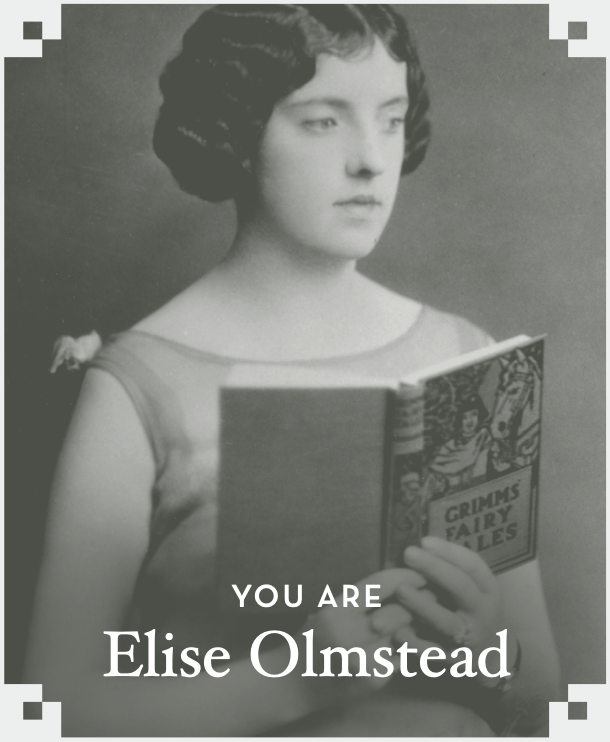
Roy’s wife, Elsie, was an educated woman with a lovely voice. Roy bought a radio station (this was legal) and Elsie hosted evening programs. She read bedtime stories for children, played music, and shared the news. Thousands of Seattle families tuned in — it was one of the city’s most popular stations.
Hidden inside those innocent broadcasts were secret messages for the smugglers. Elsie might say, “Tonight I will read you the story of Goldilocks and the Three Bears” — and the captains would know that meant “three vessels will arrive in the northern cove.” Or she’d say, “Rain is expected tomorrow” — which signaled “operation canceled; the Coast Guard is patrolling the route.”
Imagine: children falling asleep to gentle stories while their fathers, working for Olmstead, received instructions for a night operation. The police long wondered how the smugglers coordinated so well. When they finally suspected radio codes, they were astonished by the scheme’s ingenuity.
When everyone knew, but no one condemned him
The strangest thing was this: almost everyone in Seattle knew what Roy Olmstead did. It wasn’t a well-kept secret. Yet most people felt sympathy for him!
Why? Because Roy helped the city. During Prohibition many restaurants and hotels were failing — people didn’t want to go where drinking was banned. Roy supplied quality alcohol at fair prices. He never sold dangerous moonshine that blinded or killed (a common problem from other smugglers). He created jobs — sailors, drivers, loaders who fed their families.
Moreover, Roy donated to charity. He helped poor families, supported shelters, and even gave money to widows of police officers (yes, widows of the very policemen who tried to catch him!). People said: “Roy Olmstead is a good man simply breaking a foolish law.”
The end of the good bootlegger’s empire
But the story didn’t have a happy ending — at least not immediately. In 1924 federal agents (police who operate nationwide, not just in one city) launched a major operation against Olmstead. They secretly installed wiretaps on his phone lines and recorded conversations for months.
At the time this was new technology, and not everyone believed it was lawful. But agents gathered enough evidence. In 1925 Roy and 90 of his employees were arrested. The trial was sensational and lengthy. Roy’s defense argued: “This man never hurt anyone; he simply gave people what they wanted in spite of an unjust law!”
But the judge was stern. Roy got four years in prison and a huge fine — $8,000 (which at the time was equivalent to several million today). His case reached the U.S. Supreme Court, where justices debated whether telephone wiretapping was lawful. They decided it was. That ruling later changed American policing — wiretaps became a common investigative tool.
What happened next, and what this story teaches us
Roy Olmstead served less than three years — released early for good behavior. When he got out, Prohibition was still in effect, and many former associates urged him to return to the business. Roy refused. He said prison had changed him, and he no longer wanted to break the law — even a foolish one.
Roy took a job selling furniture. He lived modestly, honestly, quietly. In 1933 what he had always hoped for happened: the government repealed Prohibition. It turned out Roy was right — the law had been foolish and unjust. America realized this after 13 years of suffering, millions of arrests, and thousands of deaths from bad moonshine.
Later in life Roy became a Christian preacher. He traveled to churches and told his story to young people. He said: “I broke the law, and that was wrong — even if the law was unjust. But I am proud that I never harmed anyone and always treated people with kindness and respect.”
This story teaches us several important things. First, the world is not divided into absolutely good and absolutely bad people. Roy Olmstead broke the law, but he acted with decency and principles. He was a criminal, but never a villain.
Second, bad laws can turn good people into lawbreakers. When a government bans what millions consider normal, it doesn’t make people better — it simply criminalizes them. Prohibition didn’t stop drinking in America; it created a huge criminal industry.
Third, even when you do something wrong, you can choose HOW you do it. Roy could have been a violent gangster like many other bootleggers. Instead he chose to be a fair employer, a nonviolent businessman, someone who helped others. That didn’t make bootlegging right, but it revealed his character.
Today there are few traces left of the secret waterways where Olmstead’s boats once ran. Puget Sound is now full of yachts, ferries, and tourist ships. But if you ever visit Seattle and look out over the foggy sound at night, you might imagine those fast boats slipping across the dark water and the man who proved that even in a world of broken laws you can remain a person of principle.
The story of the "good bootlegger" reminds us that right and lawful are not always the same, and that true kindness is shown not by whether you obey rules but by how you treat the people around you — even when the rules seem unjust.