Imagine you walk into a toy store and directly above your head is a ceiling made of glass bricks letting daylight through. Above that, people walk and you can see the shadows of their feet. You are underground, but the shop operates as usual. The clerk smiles, customers pick out toys, and outside — darkness of the subterranean world. To get home you have to find a staircase and climb up to the “upper” city where the sun shines and wagons pass. For more than ten years Seattle lived exactly like that — in two cities at once, one on top of the other. And this strange story teaches us something important about how people solve problems when they cannot wait.
The fire that made the city grow upward
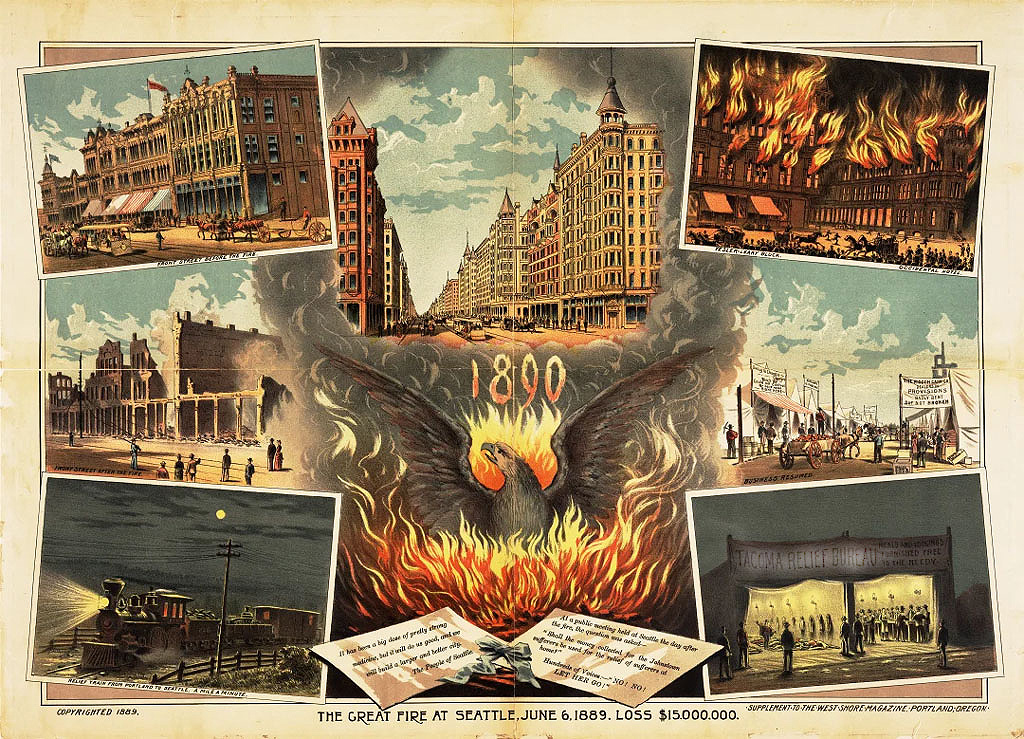
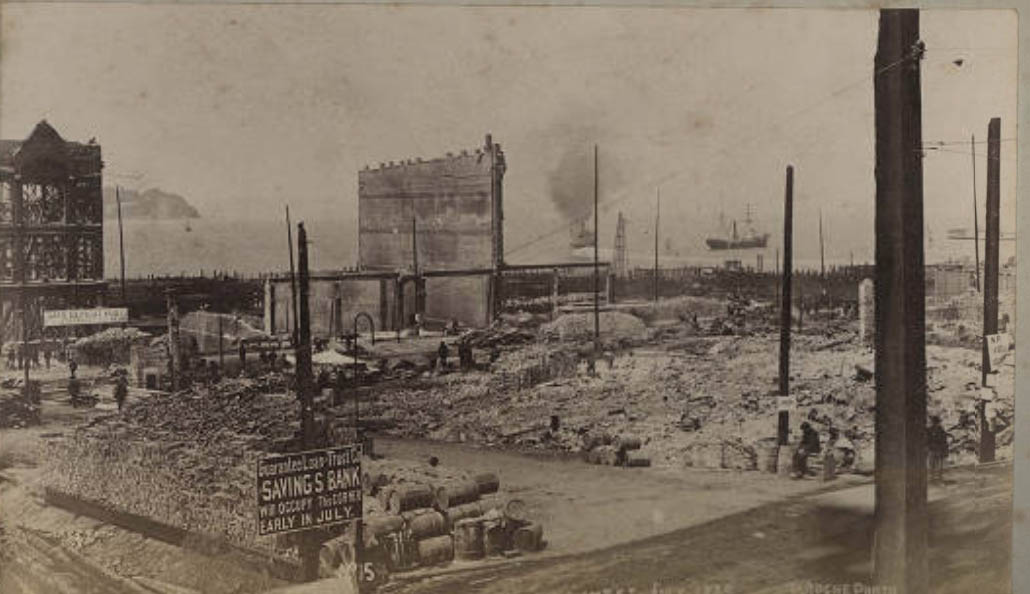
In June 1889 Seattle suffered a disaster: a massive fire destroyed almost the entire downtown. Twenty-five blocks burned — wooden houses, shops, hotels. But city officials had an idea: let’s not just rebuild everything, let’s raise the streets a whole floor higher! The old Seattle had been built too low, almost at the level of Elliott Bay. Twice a day at high tide seawater flooded basements, and sometimes even household toilets worked “backwards” — water rose instead of draining away. It was unpleasant and unhygienic.
The plan was this: first builders would raise the streets by dumping fill and constructing new sidewalks at the height of the old buildings’ second floors. Then property owners would raise the entrances to their shops to the new level. Sounds logical, right? But there was one problem: building the new streets would take years. And shop and restaurant owners couldn’t wait — they needed to earn money immediately to feed their families.
Two cities, one above the other
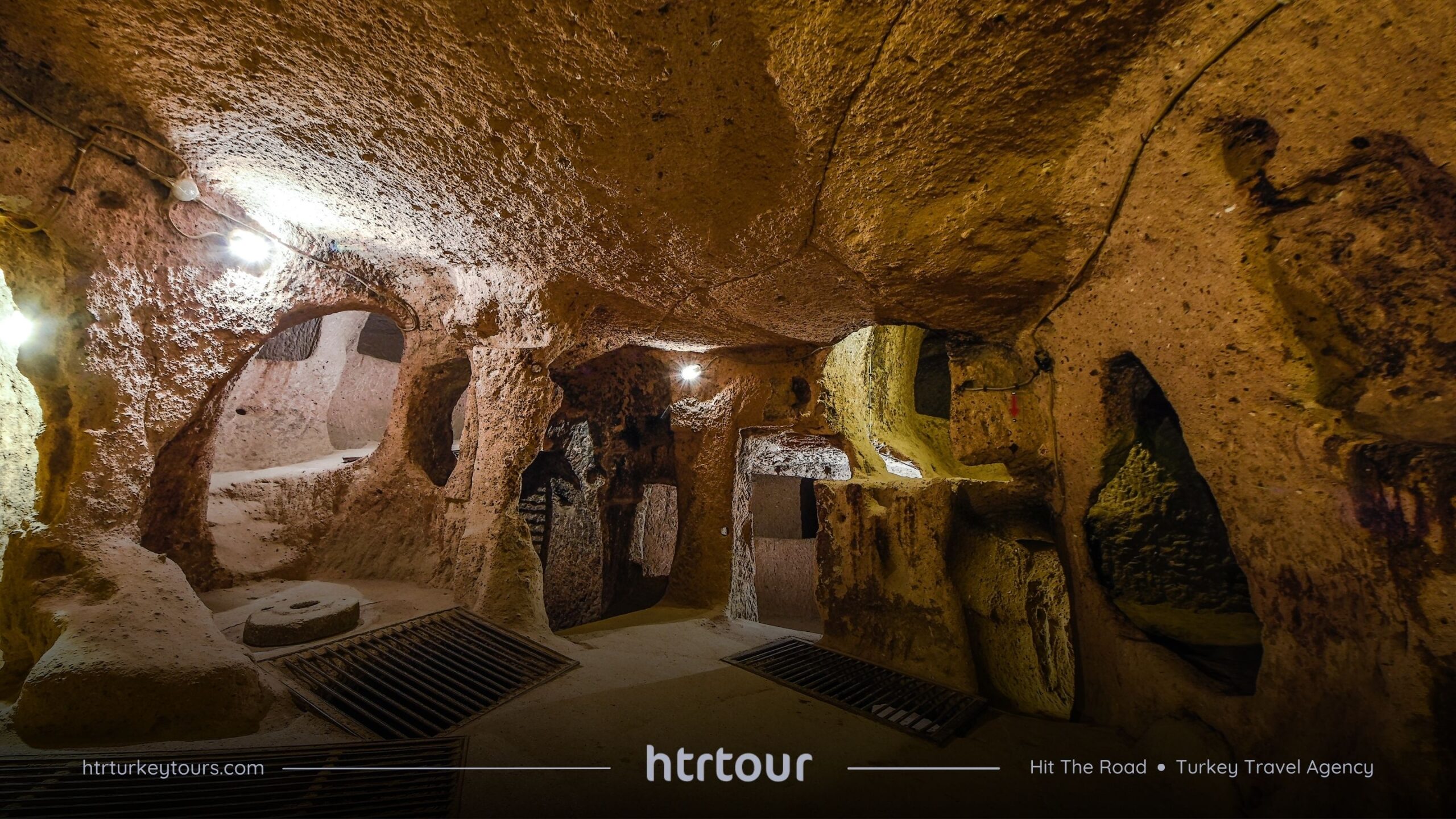
Then something remarkable happened: people refused to wait. Shop owners opened their doors on the old, lower level even as workers began constructing the new streets above. It turned out like this: you walk along the new, higher street, see the façades of buildings but no doorways — the entrances were an entire floor below. To reach a shop you had to go down a staircase into the dim “underground” city.
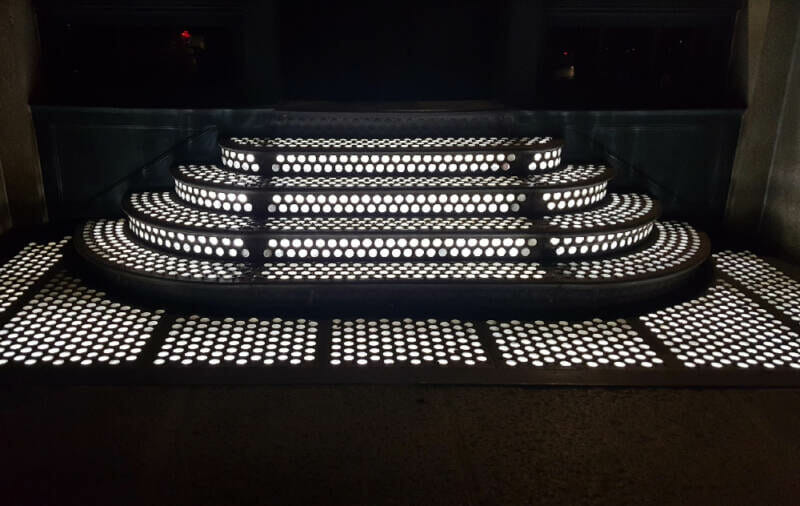
But that wasn’t all! Gradually some owners added second entrances — on the new, upper level. So the same shop could serve customers on both floors. Down below it was dark — light only came through special glass bricks embedded in the sidewalks of the upper city (they were called “vault lights”). Those purple and green little panes can still be found in parts of Seattle. At night the lower city was lit by gas lamps, making it feel like a mysterious underground passage from a fairy tale.
Children loved this two-level arrangement! They played in “upper” and “lower” Seattle, ran up and down the stairs, explored dim corridors. For adults it was less fun: you had to remember which level a given shop was on, and merchants had to carry goods between floors. One woman recalled her mother sending her “down” for bread and then “up” for fabric — and it was the same block!
When impatience creates problems
This way of life lasted until about 1907. Gradually more shops moved to the upper level and the lower one emptied out. But the underground city was not closed finally because everyone moved up; it was closed because of rats and disease risk. In the early 1900s people learned that rats spread plague, and the dark subterranean spaces had become infested. City authorities declared the lower level unsafe and forbade being there.
So the hasty choice — opening shops below without waiting for the streets above to be finished — created a new problem. On one hand people could earn income and the city recovered faster after the fire. On the other hand, decades of life on two levels led to unsanitary conditions and health hazards. The subterranean spaces became dumping grounds, sewage flowed through them, and ventilation was poor.
A lesson for today
The story of underground Seattle reminds us how people behave when faced with big problems. Today we often hear debates: should we act quickly even if the solution is imperfect, or wait and do it right? For example, when building a new school some say: “Let’s set up temporary classrooms now, kids can’t wait three years!” Others reply: “No, better to wait and build it properly so we don’t have to redo it later.”
Seattle showed both approaches make sense — and both create difficulties. Shop owners couldn’t wait years without income; their families needed to eat. They chose an imperfect solution, and the city survived, rebuilt, and grew wealthier. But that same choice produced health problems that had to be fixed later.
Today underground Seattle is a tourist attraction. Guides take people along old sidewalks, point out the glass bricks in the ceilings, and tell stories about the time the city lived in two dimensions. Those dark corridors remind us: sometimes life doesn’t give us time for perfect solutions. Sometimes you have to build a second floor right above the heads of people still working on the first. It creates chaos, but it helps you move forward.
Perhaps the most important lesson is this: imperfect solutions aren’t always bad if we’re willing to fix mistakes afterward. Seattle didn’t wait for a perfect plan. It built two cities, one above the other, endured that strange period, and then put things in order. And you know what? The city still stands, thrives, and its underground sidewalks preserve the memory of a time when people were too impatient — and perhaps that impatience is why they survived.


:max_bytes(150000):strip_icc()/GettyImages-726797111-5c6111b746e0fb00015876d6.jpg)