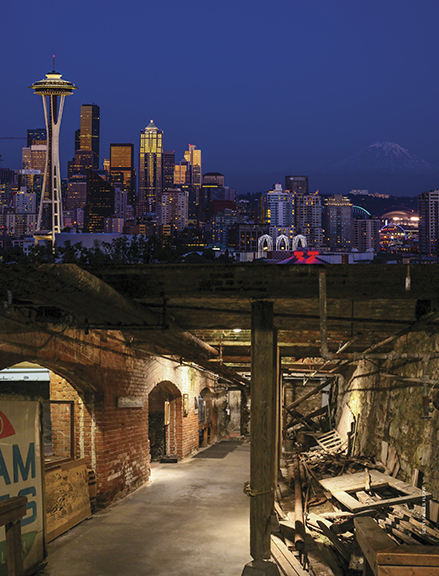
Imagine you're walking down an ordinary street in downtown Seattle. Beneath your feet—another street. With old shops, sidewalks and even toilets. A whole city that lay in darkness for more than a century until one stubborn journalist decided to dig it up. And you know what? City officials at first thought he had lost his mind.
This is the story of how one disaster created two problems, then turned into a treasure that helped an entire neighborhood survive.
When Seattle burned to the ground and decided to rise higher
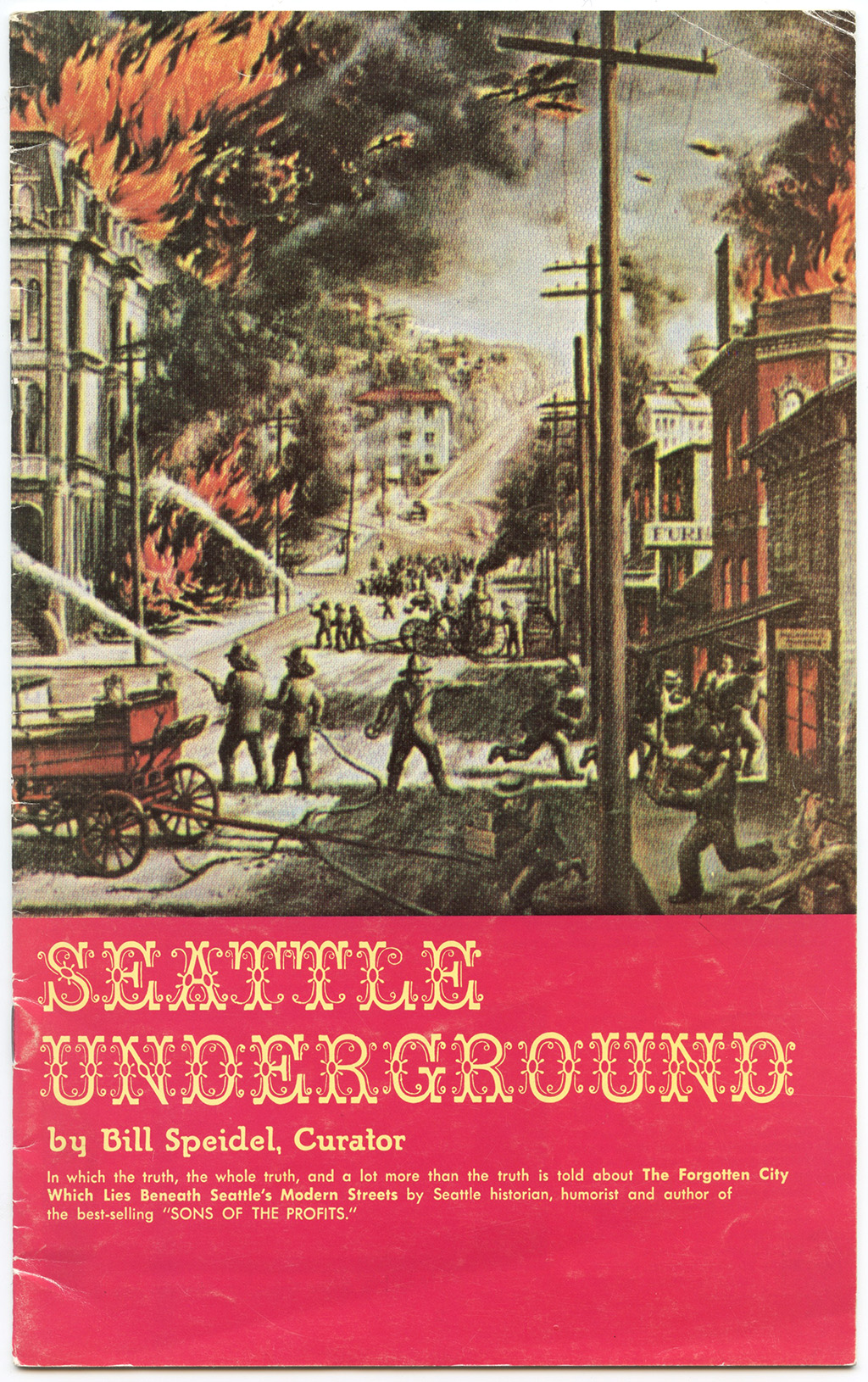
On June 6, 1889, a glue pot tipped over in a carpenter's workshop. The glue spilled onto a hot stove, ignited, and within hours 25 city blocks burned — almost all of downtown Seattle. People were left without homes, without shops, without work.
But Seattleites are not the type to give up. They decided to rebuild the city — only better. With brick and stone instead of wood. And that's where things got interesting.
You see, old Seattle had been built almost at sea level. During high tide water would rise and… well, let's just say the toilets worked very oddly. Sometimes, instead of flushing, they did the opposite. Can you imagine?
Engineers proposed a brilliant solution: raise the streets by an entire floor! From 10 to 30 feet. They built new roads on special walls, and a vacant space formed between the old level and the new one.
A city between floors where no one wanted to live
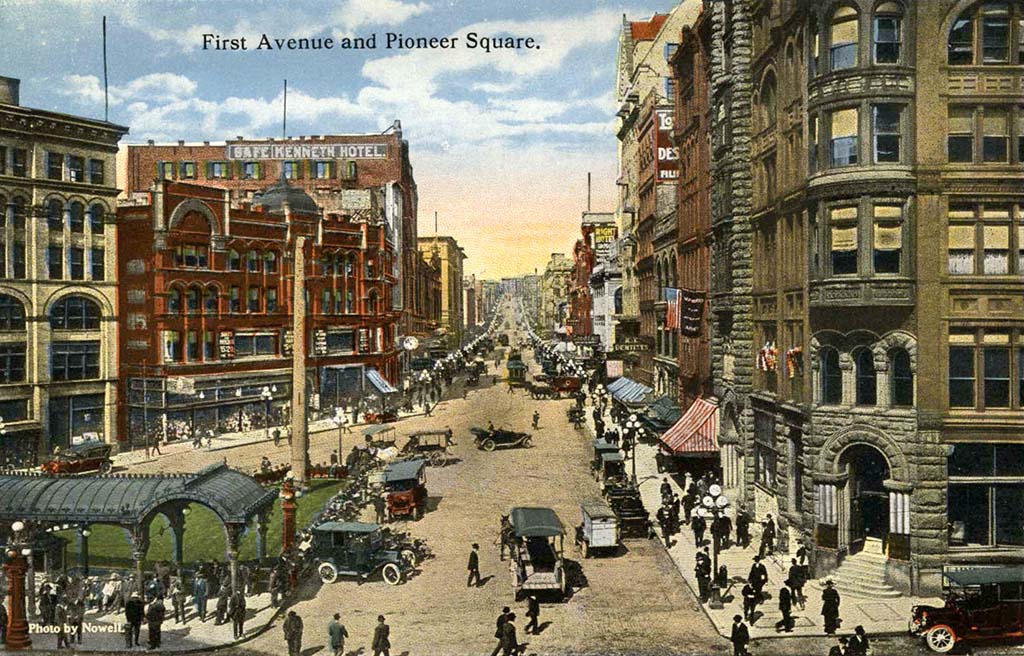
The first few years were very strange. Shops opened on the old, ground-level floors. But the new streets ran at the level of the second floor! To get into a store, people would descend stairs from the street down. It was inconvenient and dangerous, especially at night.
Gradually shop owners moved their entrances up to the new street level. The old sidewalks, storefronts and basements were abandoned. They were simply covered with glass plates from above (to let some light in) and forgotten.
By 1907 the city officially declared the underground spaces unsafe and ordered them closed. For almost 60 years those spaces stood empty. No one descended into them. Only rats and spiders lived there. Occasionally people would fall through broken glass plates on the sidewalks above.
A whole ghost city beneath the feet of a living city.
The journalist who didn't listen and found a treasure
In 1954 journalist Bill Speidel wrote a column for a local paper. He was interested in Seattle history and once heard strange stories from old-timers: they said you could once walk underground along whole streets.
Bill decided to check it out. He found an old entrance, went down with a flashlight — and discovered an entire forgotten world. Old shop windows. Wooden sidewalks. Even signs on the walls! All covered in dust and spiderwebs, but still there.
Speidel was thrilled. He wrote an article. Then another. He began taking friends there. And then, in 1965, he proposed a crazy idea: organize tours of the underground city for tourists!
City officials said "no." Too dangerous, they said. Ceilings could collapse. It was dirty. There were rats. People could be hurt.
But Bill Speidel was stubborn. He found safe sections, reinforced them, installed lighting. And he began leading tours — first illegally, just for friends and acquaintances. He told stories of old Seattle so entertainingly that people began coming specifically to hear him.
How the underground saved an entire neighborhood from oblivion
By the 1970s the Pioneer Square area (where the underground city is located) had become a dangerous place. Old buildings were falling apart. People were leaving. Shops were closing. The city planned to demolish everything and build parking lots.
But Bill Speidel's tours grew in popularity. Thousands of tourists came to see underground Seattle. They shopped upstairs, ate in restaurants, bought souvenirs. The neighborhood began to come alive!
Residents realized: their history was a treasure. In 1970 Pioneer Square received historic district status. Old buildings began to be restored rather than demolished. Museums, galleries and cafes opened.
Today the "Underground Tour" is one of Seattle's most popular attractions. Over 100,000 people visit it each year. Guides tell not only about the fire and the city's rebuilding but also funny stories: for example, about those toilets that worked backward, or about how women in long skirts feared walking on the glass plates in the sidewalks (because people below could peek up!).
What we can learn from the story of the city beneath the city
The story of underground Seattle teaches us three important things.
First, sometimes solutions that seem good create new problems. Seattle raised its streets to solve tidal issues, but created dangerous underground spaces that had to be sealed.
Second, what looks like a mistake or junk can become a treasure. The underground streets were considered dangerous and useless for 60 years. But one person saw in them a history worth telling.
Third, sometimes you must ignore the rules if you believe in your idea. Bill Speidel could have listened to city officials and forgotten the underground. But he was stubborn, and because of that an entire neighborhood got a second life.
So next time you're walking down a street in any old city, wonder: what's beneath your feet? Maybe there's an amazing story hidden there, waiting for someone stubborn and curious to dig it up.