Imagine your city burned to the ground in a single day. Everything — shops, homes, offices — turned to ash. And now adults face a choice: wait for the city to be rebuilt properly, or start building immediately so they don't lose all their money. What would you choose? In 1889, Seattle residents chose speed. And that decision created the strangest city in America — a place where for several years people climbed stairs right in the middle of the street.
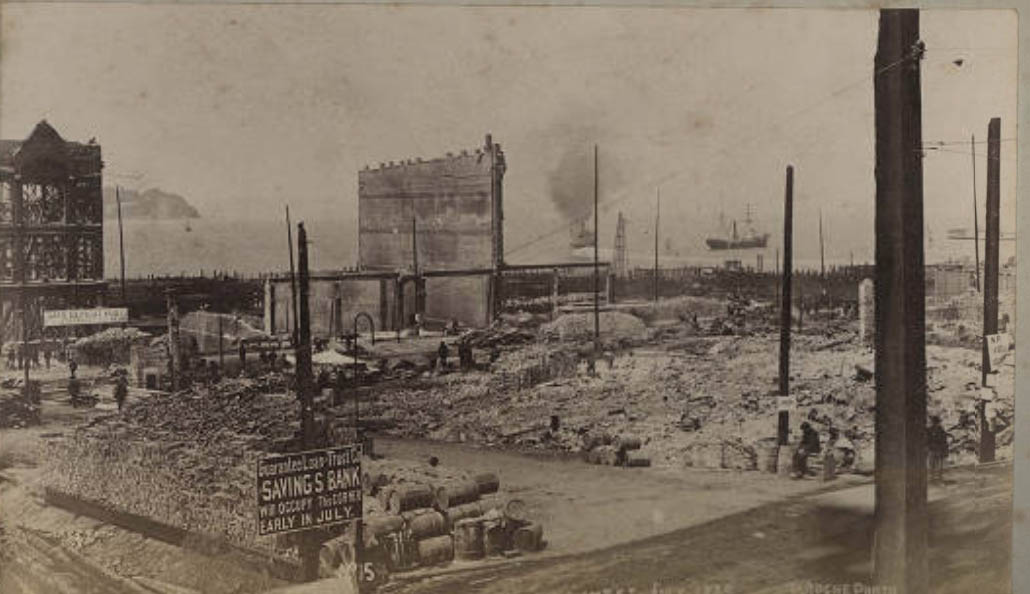
On June 6, 1889, a massive fire destroyed 25 blocks of downtown Seattle. Everything wooden burned — and at that time almost everything was wooden. But shop and hotel owners had no time to grieve. Each day without work meant lost income, hungry children, unpaid debts. City officials said, "We will raise the streets two floors higher to solve the flooding problem." But that required time — months, maybe a year. The merchants couldn't wait. They began building new buildings immediately, at the old ground level where everything had been burning just yesterday.
A city where you need stairs to cross the street
An incredible scene emerged. Workers began raising the streets — filling them with dirt and stone, constructing new roadways at what became the second-floor level. But the buildings were already standing at the old level! Shops, restaurants, and banks found themselves in a pit. Their entrances were now 10–15 feet below the new street level.
What did people do? They put up stairs. Dozens of stairs — right in the middle of the streets. Want to go into a bakery? Go down a staircase. Leaving a shop? Climb the stairs back up to street level. The city turned into a giant labyrinth of steps. Women in long skirts descended cautiously, holding the railings. Men with heavy bags clambered upward. Children (it probably seemed like an adventure to them!) hopped up and down the steps all day.
It was inconvenient and dangerous. Especially at night, when lamps poorly lit the streets. Especially in the rain, when the steps became slippery. People fell, broke arms and legs. Horses were startled by these strange pits in the road. But the economy could not wait — shops stayed open, money circulated, the city lived.
How the problem was solved: sidewalks in the sky
After a few years the city found a solution. Building owners constructed new sidewalks at the level of the raised streets — at what used to be the second-floor level of their buildings. They made new entrances on top, and the old ground-floor entrances were simply closed or repurposed for storage. The stairs were removed. Now people walked on "normal" streets and sidewalks — only these sidewalks were at the level of the former second floors.
And what happened to the old first floors that ended up underground? They didn't disappear! Under the new sidewalks remained the old streets, old doorways, old shop windows. A whole underground city emerged — corridors, rooms, even entire streets with remnants of signs. At first they housed storerooms and utility spaces. Later, when they became unfashionable and unsafe, everything was abandoned.
Only in the 1960s did an enthusiast named Bill Speidel start leading tours there. He showed people this strange underground world — the result of merchants who, more than 70 years earlier, refused to wait. Today "Underground Seattle" is one of the city's main attractions. Thousands of tourists descend each year to see old sidewalks, abandoned storefronts, and the remains of the Seattle that was too hurried.
A lesson for other cities: when haste makes history
The story of the city of stairs teaches an important lesson: sometimes economic pressure forces people to make quick decisions that seem temporary but become permanent. Seattle's merchants thought, "We'll rebuild quickly, work, and later somehow deal with the street level." They did not plan to create an underground city — it happened accidentally, because of haste.
Many cities after disasters face the same choice: wait for the perfect plan or act fast? Seattle showed that quick decisions can work, but they create unexpected consequences. The city of stairs lasted for several years — inconvenient, strange, but alive. Then that "temporary" situation turned into a permanent underground structure, which became part of the city's history.
Today, when urban planners think about rebuilding after fires, floods, or other catastrophes, they remember Seattle. They understand you cannot ignore the economic pressure on people. If businesses need to operate immediately, they will — even if that means building stairs in the middle of streets. It's better to plan so quick fixes don't create problems for decades to come.
Underground Seattle is a monument to human haste and ingenuity. It's a reminder that sometimes our "temporary" solutions outlive us. And it's the story of how economics can change the shape of an entire city — quite literally raising it a floor above, leaving the old city a ghost beneath our feet.