Imagine your city was named after you, but you never asked for it. More than that — you asked them NOT to. That’s exactly what happened with Seattle, and this strange story began with the Battle of 1856, which taught an entire city to think about names in a very particular way. So particular that even today, when you pick a username for a game or social network, you’re doing the same kind of thinking that Chief Seattle and his friend the doctor argued about more than 160 years ago.
The battle that changed everything, and two friends on opposite sides
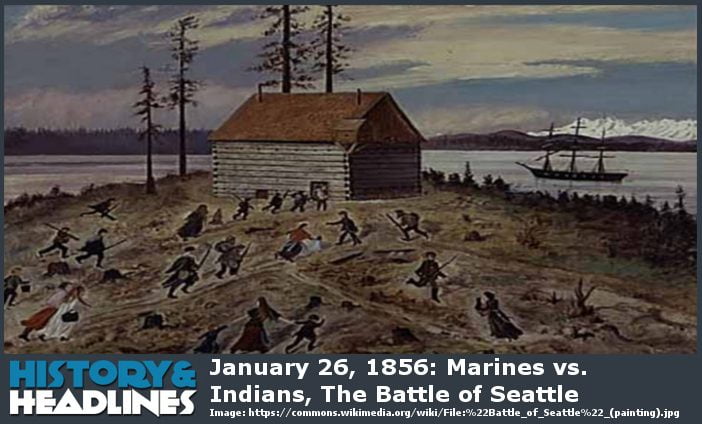
In January 1856 the Battle of Seattle took place — a clash between the native peoples of the area (the Duwamish, Nisqually and other tribes) and new settlers. The battle lasted only one day, but it permanently changed how people in this city began to think about memory and respect.
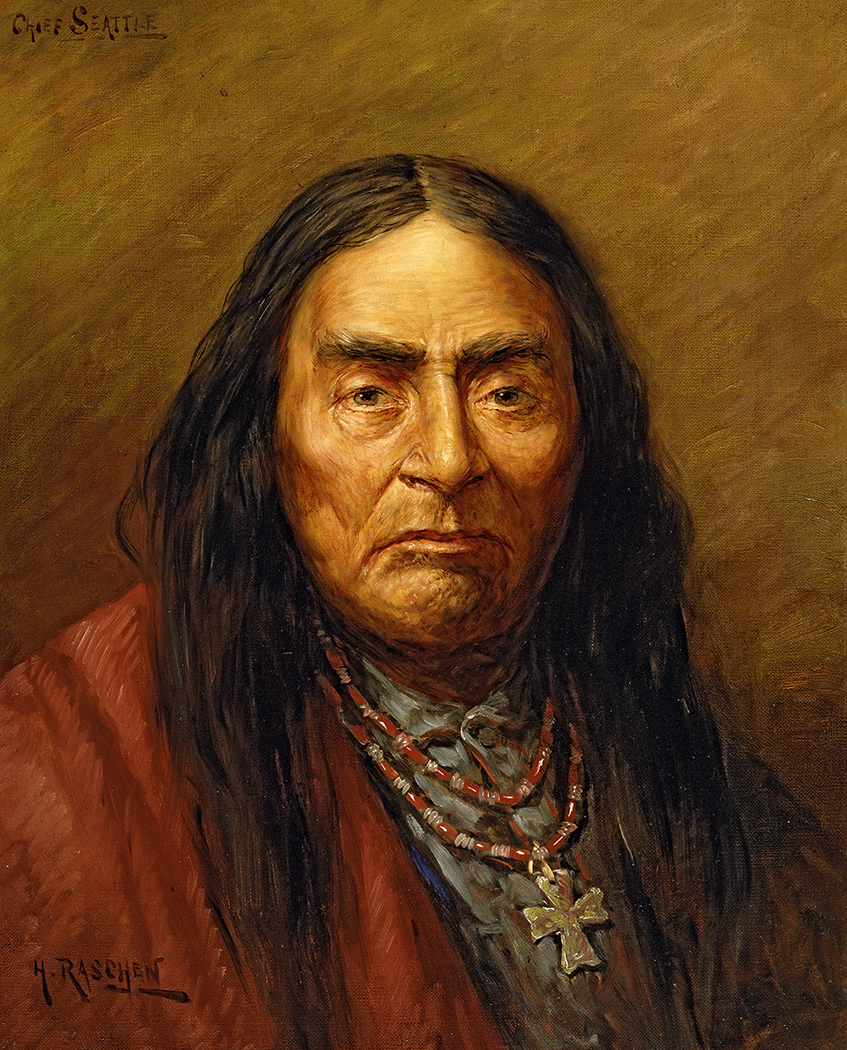
The most remarkable part of this story is the friendship between Chief Si’ahl (whom white settlers called Seattle) and Dr. David Maynard, one of the city’s founders. They met before the battle, and Maynard admired the chief’s wisdom so much that he decided to name the growing town in his honor. But Chief Seattle asked him not to.
Why? In Duwamish culture there was a belief: if you speak a person’s name after their death, their spirit cannot peacefully move on to the world of ancestors. Chief Seattle explained to his friend: “If you name the town after me, after my death thousands will say my name every day and my spirit will never find rest.” This was not a superstition — it was a deep view that names hold power and carry responsibility.
Dr. Maynard found himself in a difficult position. On one hand, he wanted to honor his friend. On the other — he understood he would be acting against Seattle’s wishes. In the end the town was still named Seattle, but Maynard did something unusual: he negotiated compensation with the chief. Each year the city paid Chief Seattle a small sum — a symbolic fee for using his name. It was an attempt to show respect, even while violating the request.
What a name does to a city, and a city to a name
After the Battle of 1856 and in the years that followed, a peculiar tradition began to form in Seattle. The city became very cautious about whose names were used for streets, parks and buildings. Unlike many American cities where streets are readily named after politicians or wealthy patrons, Seattle developed a particular sensitivity.
For example, when the Space Needle — the city’s signature symbol — was built in the 1960s, there was a long debate about whether to name it after someone. In the end they chose a straightforward descriptive name. When the Kingdome stadium was renamed, a huge debate erupted: is it appropriate to sell naming rights to companies? Many residents argued that this disrespected the memory of the place.
Today Seattle has a dedicated committee that scrutinizes every proposal to name a street or park. They ask questions: “Would this person truly have wanted to be remembered this way? Will this name hurt someone’s feelings? Does the name carry responsibility for what it represents?”
From a chief’s name to your online handle: the same story
Now for the most interesting part: Chief Seattle’s idea feels very modern. Think about how you choose a name for a game or social network. You consider it, right? You want it to say something about you, but not reveal too much. You know others will see that name and form an impression.
Chief Seattle understood the same thing — only on a much deeper level. He knew a name was not just a string of sounds. It was a link between a person and how they would be remembered. It was a responsibility.
In Seattle, home to companies like Microsoft and Amazon, programmers and designers often talk about this same principle. When they create accounts, profiles, digital identities, they ask: “What legacy will this name leave? What will it mean in 10, 20, 100 years?”
There’s even a term in Seattle’s tech culture — “digital legacy.” It’s the idea that everything you create under your name online remains, like a city named after a chief. And just as Chief Seattle worried about his spirit, modern people worry about their digital reputation.
Lessons from the battle that live in every click
Today there is a monument to Chief Seattle by sculptor James Weiditz in the city. Interestingly, Native people debated for a long time whether the monument was appropriate at all — after all, the chief did not want his name spoken so often. A compromise was reached: the statue was erected, but alongside it the city placed information about Duwamish culture and about why the chief opposed the use of his name.
This is a very Seattle approach: remember, but with respect. Use a name, but acknowledge the complexity. Honor a person, but listen to what they truly wanted to say.
The Battle of Seattle in 1856 ended in one day, but the cultural battle for respect toward names and memory continues to this day. Every time Seattle residents argue about naming a new park, every time a company in Seattle thinks about its brand, every time a child in Seattle chooses a gaming handle — they are all taking part in the same conversation that Chief Seattle and Dr. Maynard began.
And the most important lesson that city learned from that long-ago battle: names are not just words. They are promises. They are responsibilities. They are a way to remember not only who someone was, but what they wanted, what they dreamed of and what they considered important. Even if that person is you, choosing how you will be called in the digital world you create every day.