Imagine an old saloon with the striking name “Bucket of Blood.” Sounds like something from a pirate tale, doesn’t it? Such names were given to rowdy places in the Wild West, and according to local stories, one of them stood in Seattle’s Pioneer Square. Few reliable documents about it have survived, so I won’t invent details about its history. Instead, I’ll tell you what is known for certain: about the land beneath the saloon. That land was once the bottom of a bay.
A Waterfront City Where the Water Came and Went
In the 1850s, people began cutting down enormous trees along the shore of Elliott Bay. Henry Yesler built a steam-powered sawmill, and logs were sent downhill to it along a slope. This route became known as “Skid Road.” Later, the name was used for poor, noisy streets lined with saloons, and eventually for many similar districts across America.
Workers needed housing and places to relax. Houses, warehouses, and bars were built right beside the water, on the low shoreline. Twice a day, the sea arrived with the tide and then retreated. This is called a tidal flat: land that is sometimes underwater and sometimes exposed to the air. Building on such land is like placing a toy house on wet sand by the sea.
That did not stop people. They filled the tidal flat with soil, sawdust, rubble, and anything else they had available, then built wooden structures and sidewalks on top. Some rested on pilings, while others simply stood on the fill. Seattle grew, but the water did not go away.
Toilets That “Caught” the Tides
There is a well-known urban story that toilets in the district would begin to “misbehave” at high tide. Water from the bay pushed against the pipes, causing sewage to flow back. Historians debate how often this actually happened, but the water problem was real. The streets were low, and living beside a constantly changing sea was inconvenient.
Then disaster struck in a completely different form. On June 6, 1889, a pot of glue boiled over in one of the workshops, starting a fire. The wooden buildings burned quickly, and the flames destroyed dozens of blocks in the city center. Fortunately, there are no reports of anyone dying in the fire itself, but the city nearly disappeared.
Seattle could simply have rebuilt on the same site. Instead, residents decided to correct the old mistake and raise the streets so the water would no longer interfere. In broad terms, this is what happened:
- soil was added to the streets, raising them by roughly one or two stories;
- new stone and brick buildings were constructed at the new level;
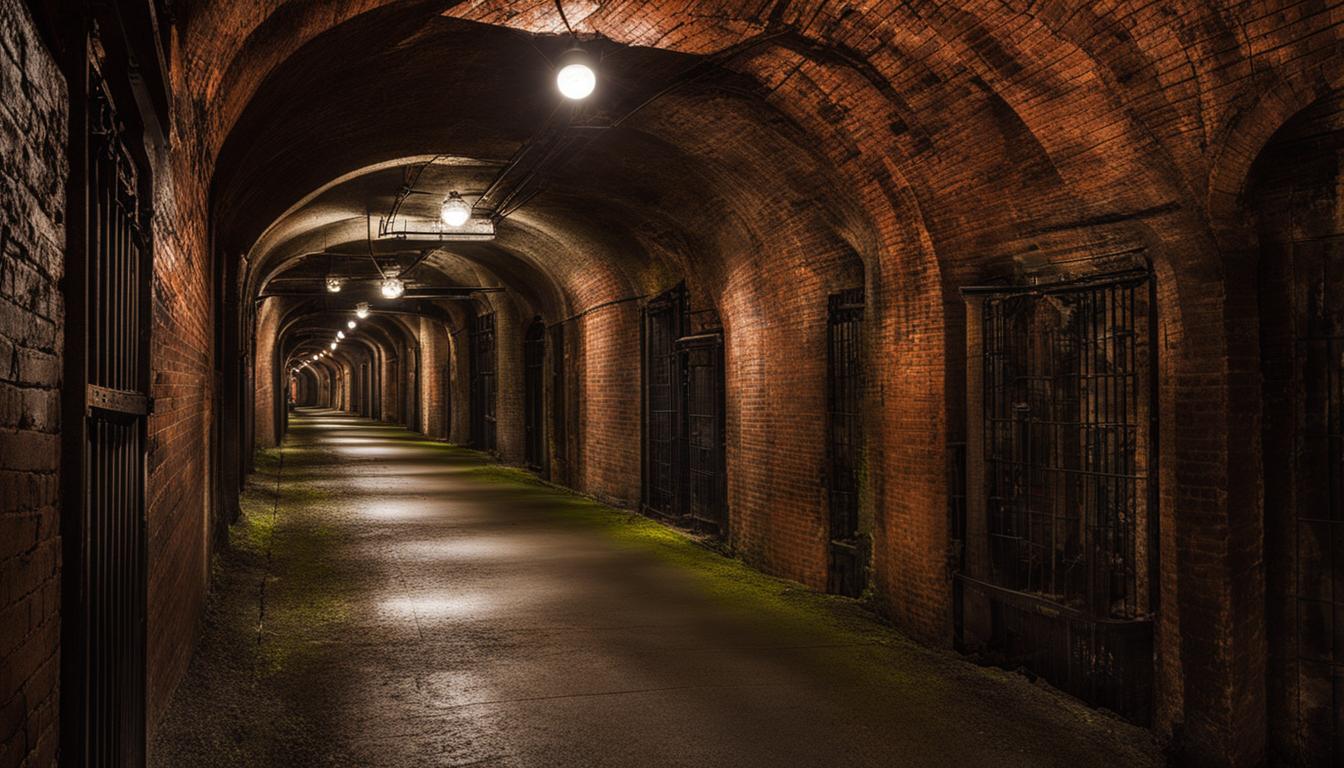
- the former ground floors ended up underground, while the sidewalks temporarily remained below, like deep trenches between the buildings.
Imagine a cake with another layer added on top. The lower layer did not disappear; it simply ended up inside. That is how Seattle’s famous Underground City came into being: real streets and shops hidden beneath the modern ones.
What Remains Today
If you ever visit Pioneer Square, you will walk through the same places described here. Today, it is a historic district filled with brick buildings, and guided tours lead visitors into the Underground City. Tourists can see old windows, doors, and the remains of storefronts beneath the pavement. This is where stories are told about the fire, the water, and saloons such as the “Bucket of Blood.”
But the most important thing is not the colorful storytelling; it is the lesson. Seattle still stands beside the water and is still figuring out how to live with it. Today, scientists monitor sea levels, while engineers reinforce the waterfront and build a new seawall so waves do not erode the shore. It is the same challenge faced by residents in 1889: how to coexist with nature rather than fight it.
My Perspective
What I like about this story is that a saloon with a bloody name becomes a narrator telling us about water and land. It probably disappeared long ago, while its street became part of a lesson for an entire city. The dramatic name is forgotten, but nature remains and continues to remind people of itself: first through the tides, then through the fire, and later through questions about the future. Each time, people had to come up with something new.
In Conclusion
If you want to remember the main points, keep these three ideas in mind. First, Seattle grew on land that was once covered by the sea. Second, after the fire, the city did not give up; it raised the streets and built a new layer over the old one. Third, the city is still dealing with the same questions about water today. So the “Bucket of Blood” saloon helped us look not into brawls and noise, but into the story of how people learn to live beside the sea.