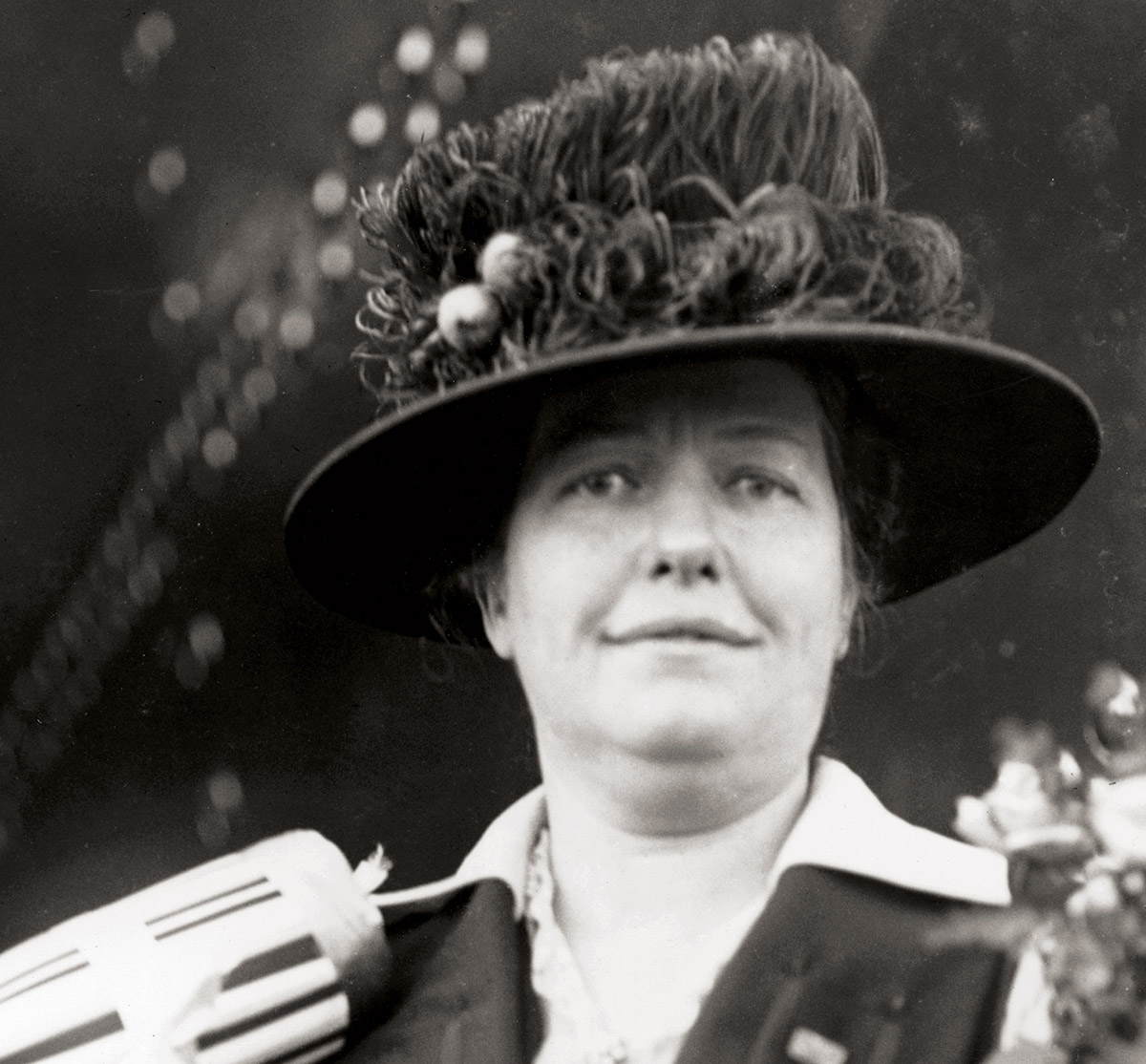
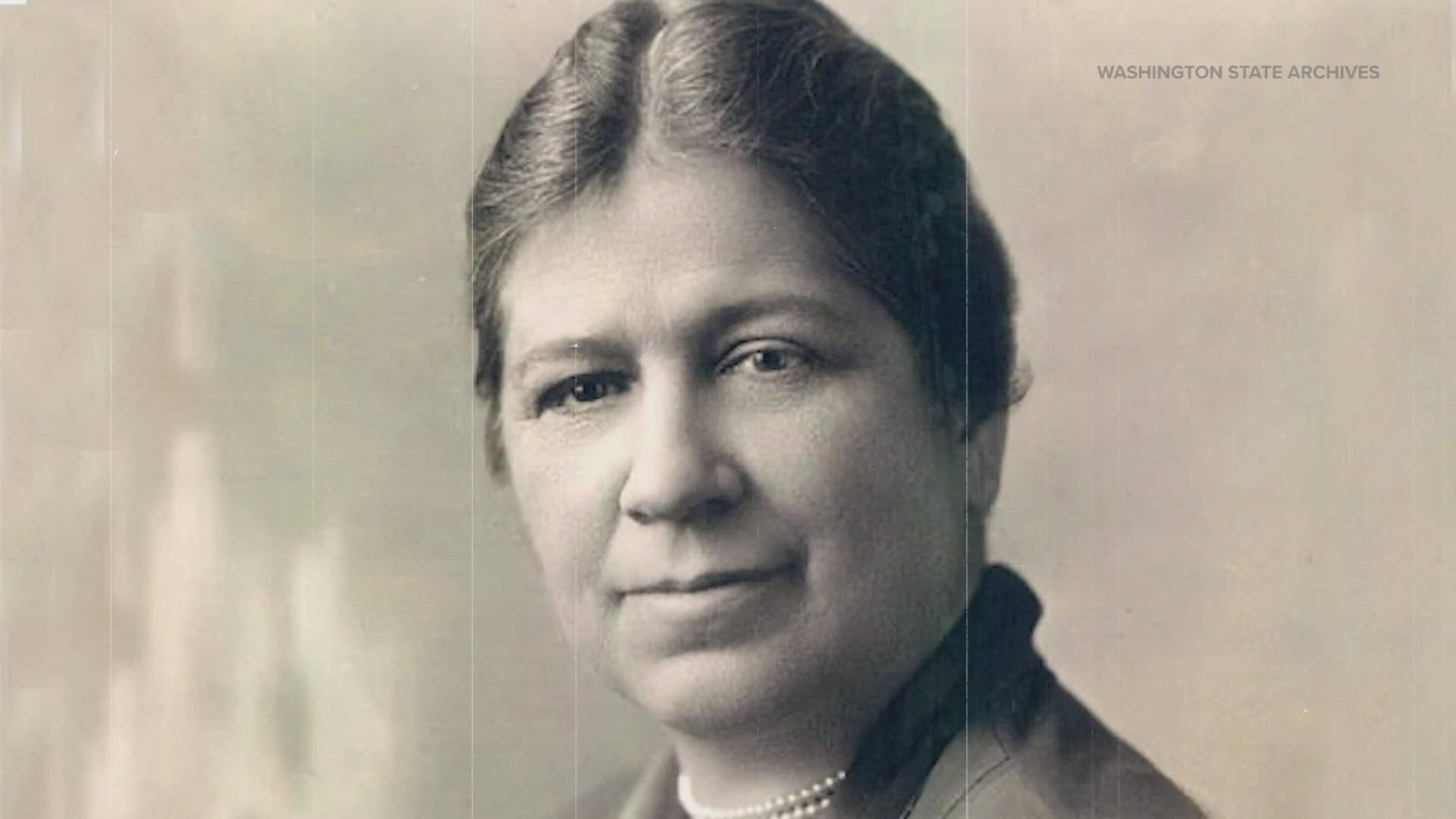
In the 1920s in the American city of Seattle lived a woman named Bertha Knight Landes, who was very angry. She wasn't angry because someone had wronged her personally. She was angry because the streets of her city were dirty, trash bins overflowed, and dangerous objects lay scattered on playgrounds. When she and other women went to city officials with complaints, they were brushed off: "This is not women's work. You don't understand how the city is run." So Bertha decided to show that they did understand. She took a broom. And that broom ultimately led her straight to the mayor's office — the first woman mayor of a major American city.
When Housework Moved onto the Streets
Bertha Knight Landes came up with a very clever plan. She said something like: "You think women should only take care of the home? Fine! Let's imagine the whole city is one big house. And we, the women, will take care of it the same way we care for our apartments." They called this "Municipal Housekeeping" — a pretty phrase that simply meant "cleaning the city as if it were your home."
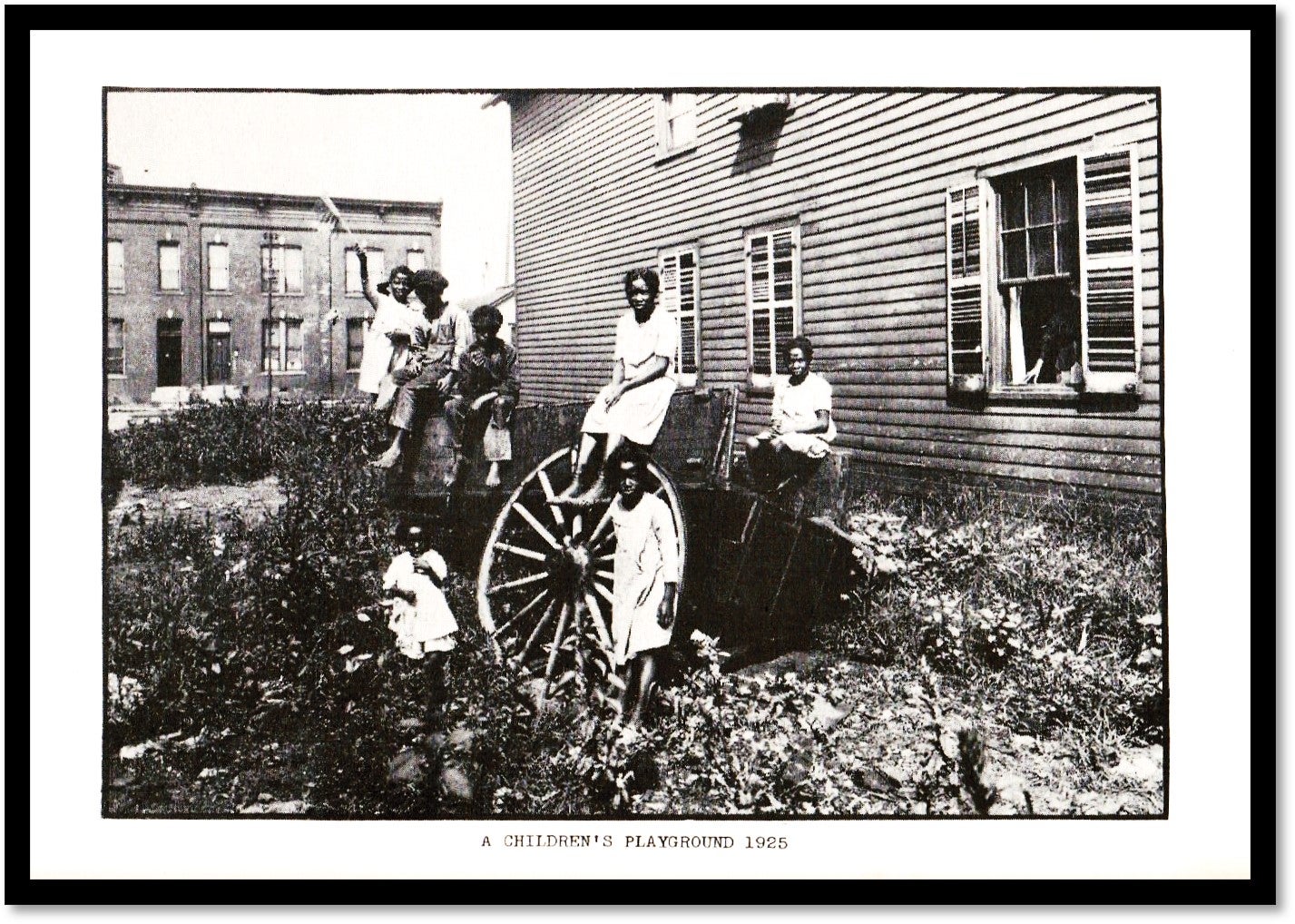
In 1920 Bertha organized groups of women across Seattle. They didn't just complain — they went into the streets with brooms, buckets, and rags. They cleaned the neighborhoods where they lived. They checked whether streetlights worked (because it's dangerous for children to return home in the dark). They looked for broken glass or rusty nails on playgrounds. They wrote everything down in special notebooks: "Pine Street, house 15 — trash bin not emptied in three weeks," "Volunteer Park — broken swings, a child could fall."
The most interesting thing: the male officials couldn't stop them. Could anyone forbid people from cleaning their own neighborhood? Could anyone say, "Stop making our city cleaner"? That would look absurd. Meanwhile the women were gathering evidence that city services were failing.
How the Broom Turned into a Weapon
After a few months Bertha and her team had thick folders of records. They knew exactly which streets hadn't been cleaned for months, where lights were out, and which places were unsafe for children. They went back to city authorities, but now not with complaints, but with facts. "Here is a list of 127 streets that haven't been cleaned. Here are 43 streetlights that don't work. Here are 15 playgrounds that are dangerous for children. What are you going to do about this?"
Newspapers began to write about it. City residents saw that women were doing the work city employees were paid to do — but doing it better and for free. People started asking uncomfortable questions: "If women can organize work so well, maybe they should be given real power?"
In 1922 Bertha Landes was elected to the city council — the group that makes decisions about city life. She was the first woman on that council. Imagine: she sat in a large chamber surrounded by men in stern suits, many of them the same officials who had once told her, "This is not women's work." Now she was their colleague, and they were obliged to listen to her.
The Broom Reached the Mayor's Office
Bertha did not stop. On the city council she continued doing the same: checking facts, asking uncomfortable questions, demanding that city services work properly. She made sure taxpayers' money was spent correctly, not disappearing into the pockets of someone's friends. She pushed for libraries and parks to be built in the city, not just roads and offices.
Seattle residents saw that she truly worked for them. And in 1926 something incredible happened: Bertha Knight Landes was elected mayor of the city. Not just some small town, but Seattle — a large city with a population of over 300,000! It was the first time in American history that a woman became mayor of such a large city.
When she entered the mayor's office, some newspapers wrote nasty articles: "A woman can't handle it," "This experiment will fail." But Bertha succeeded. She hired professionals for key positions (rather than friends and relatives, as had been done before). She fought corruption — when officials stole city money. She demanded that the police protect all residents equally, not just the wealthy. She improved the work of city services — the very ones that were supposed to clean the streets but weren't doing so.
An interesting fact: even as mayor, Bertha continued to personally check how the city was running. She might suddenly appear on some street and ask workers, "Why is this still dirty? When was the trash last collected?" Officials knew: nothing could be hidden from her; she would investigate herself.
What the Broom Told Others
Bertha Knight Landes was mayor for just two years — she was not reelected in 1928. But she proved a very important thing: a woman can run a large city as well as, and sometimes better than, a man. After her it became easier for other women. People could no longer say, "A woman can't be a mayor," because Bertha already had been and had succeeded.
But the most important part of her story is how it began. She didn't wait for someone to give her power. She didn't say, "I can't do anything, I'm just an ordinary woman." She took a broom and started doing what she thought was right. She showed that even the simplest action — cleaning a street — can be the beginning of great change if done with organization and intelligence.
Bertha's story teaches: if you see a problem, don't wait for adults or "important people" to fix it. Start doing something yourself — even something very small. Gather facts, show others, organize those who think the same. Sometimes a broom is more powerful than it seems. Especially when held in smart, determined hands.