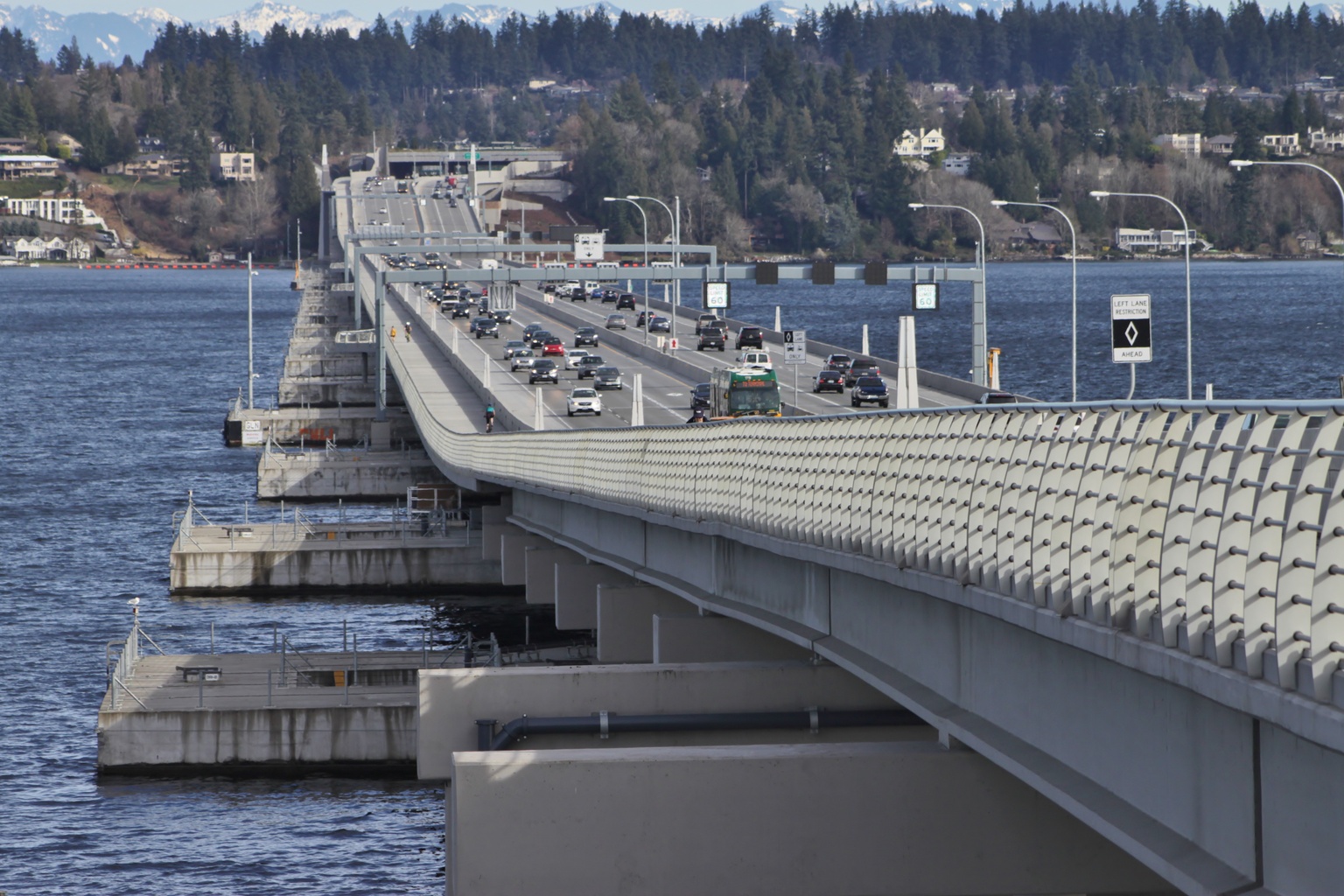
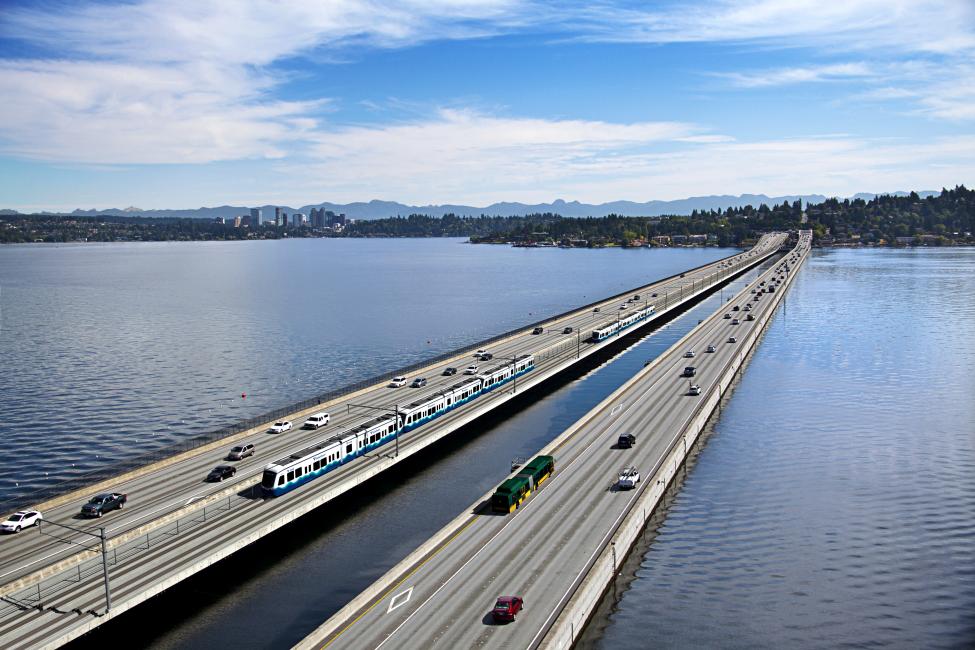
Imagine a bridge that doesn’t sit on the bottom of a lake, but simply… floats. Like a giant raft. Like a massive little ship you can drive across. It sounds like something out of a fairy tale—but such bridges really do exist in Seattle, and their story didn’t begin with a grand invention. It began during a very difficult time, when many people lost their jobs and didn’t know what to do next.
When everything fell apart
In 1929, a major disaster struck America. It’s called the Great Depression. It’s not a disease and it’s not a war—it's when money suddenly stops working. Shops close. Factories shut down. People lose their jobs—first one neighbor, then another, then an entire street, then a whole city.
In Seattle, as across the country, thousands found themselves out of work and out of money. They weren’t bad or lazy—simply, the system they lived in broke. It’s about like if, at school, all the desks, all the textbooks, and all the teachers suddenly disappeared—not because the kids did something wrong, but simply because that’s how it turned out.
Then President Franklin Roosevelt came up with a plan. He called it the New Deal. The idea was both simple and bold: if people have nothing to do, we’ll give them jobs. Not just for the sake of it, but for the benefit of the whole country. Let them build roads, schools, parks, and bridges. That’s how the program known as WPA came about—and it changed Seattle forever.
A man with a dream of a floating bridge
In Seattle, there was an engineer named Homer Hadley. For a long time, he’d been thinking about a strange idea: what if you built a bridge that wouldn’t be supported by pilings driven into the lake bottom, but instead rested on the water—on huge concrete floats?
Lake Washington, which separates Seattle from its eastern suburbs, is very deep. The bottom is covered with soft silt. Ordinary supports there are nearly impossible to install—too expensive, too complicated. Homer explained this to everyone who was willing to listen. But people just shrugged: “A floating bridge? That’s not serious.”
They didn’t listen to him for years. Then the Depression arrived—and everything changed. Now the city needed a bridge that could be built quickly and more cheaply than a conventional one. And suddenly Homer’s idea turned out to be exactly what was needed. In 1940, the bridge across Lake Washington opened. It was the world’s first floating vehicle bridge. And it still stands—more precisely, it still floats.
It’s a bit like a story where you spend a long time telling your friends about some great game, and they don’t believe you. And only later, when it’s raining and there’s nothing else to do, everyone suddenly agrees to try it. And it turns out to be the best game in the world.
Bridges and paintings—from the same place
This is where the most surprising part begins. The very same WPA program that funded the construction of the floating bridge also hired… artists. And musicians. And writers.
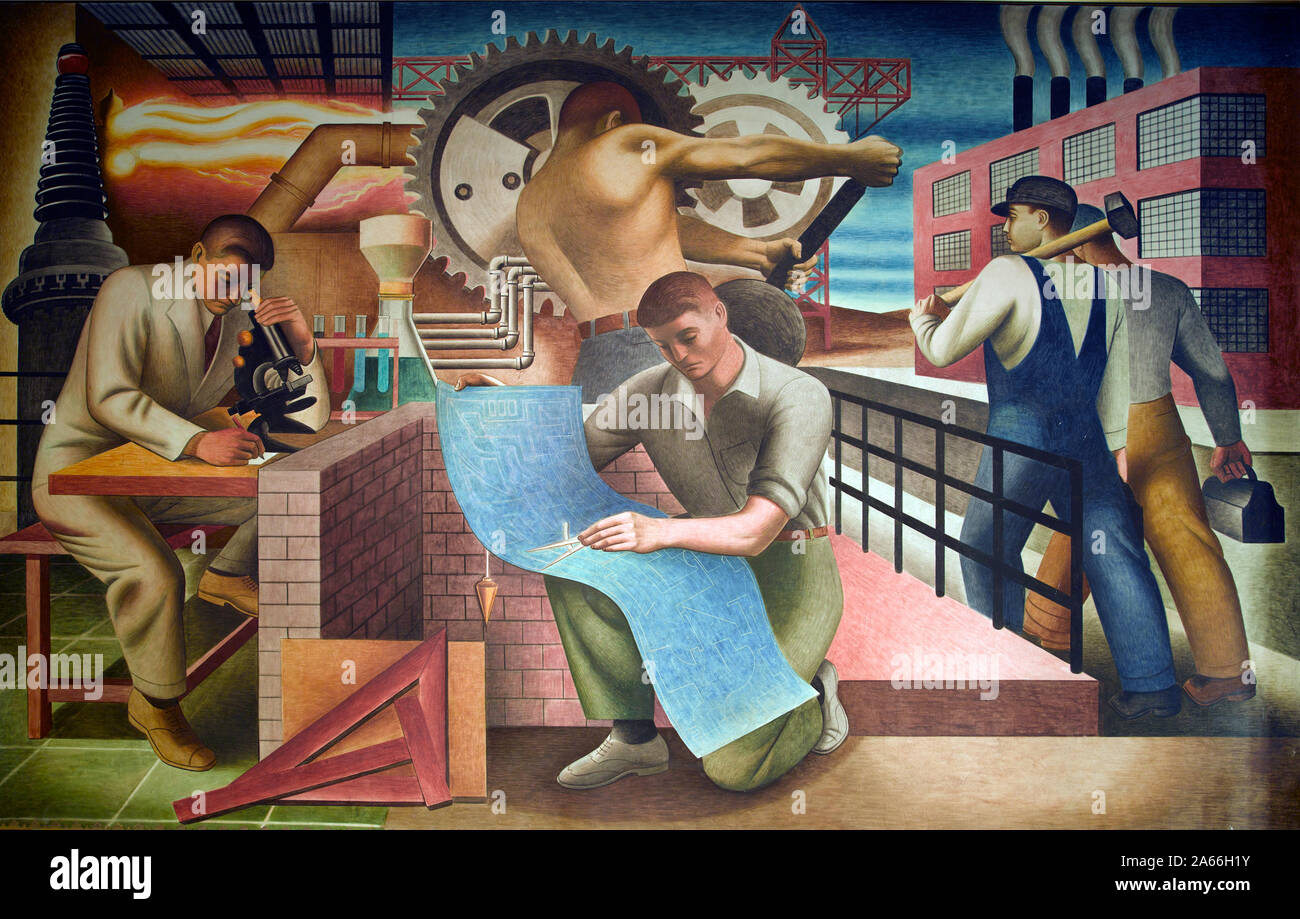
Yes, that’s right: in the same list of workers were both those who mixed concrete and those who painted pictures on the walls of city buildings. The government decided: since we’re helping people get through hard times, let the city become more beautiful. Let murals appear in libraries. Let there be concerts in schools. Let children read books written by unemployed authors.
In Seattle even today, you can find old murals—paintings on walls—that appeared during those difficult years. They depict fishermen, lumberjacks, Native people, and ships. These paintings and these bridges are siblings. They were born at the same time, from the same idea: when people are having a hard time, you have to build—and build beautifully.
Why this matters today
Seattle’s floating bridges are not just an engineering marvel. They remind us that sometimes the boldest ideas are born exactly when everything seems hopeless. Homer Hadley waited for his moment for many years. Thousands of workers got jobs not because someone was being kind, but because society decided: we’re in this together.
Today, when people talk about how to help others during hard times, they often remember WPA and the New Deal. It’s an example of how the state can do more than just hand out money—it can create something real, something people will still be using 80 years later.
And every time cars cross a bridge that literally drifts on the lake, they’re driving on the dream of one stubborn engineer and on the work of thousands of people who simply wanted to work. Maybe that’s what a real miracle looks like—not magic, but human.