Imagine: you’re lying in bed, listening to a fairy tale on the radio, and you don’t suspect that in the words of a kind storyteller there may be hidden messages for smugglers. That’s exactly what American agents in Seattle suspected almost a hundred years ago—and that story changed how the government today can (or can’t) read your messages on the internet.
When Alcohol Was Banned in America
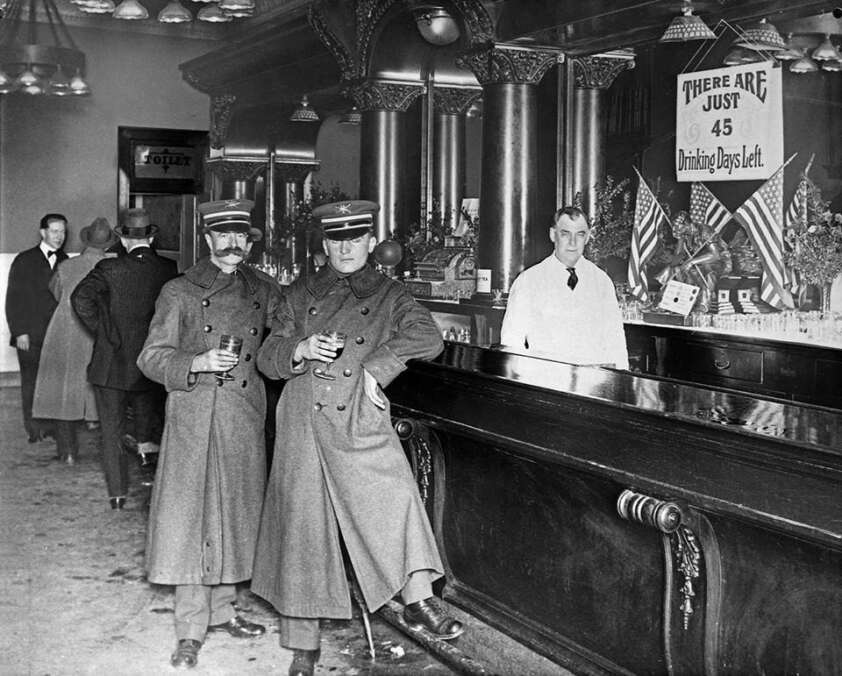
From 1920 to 1933, the United States had a law it called “Prohibition.” It banned the production and sale of alcoholic drinks—wine, beer, and whiskey. That sounds simple, but in practice everything turned out to be very complicated: people didn’t stop wanting these drinks, which meant there were always people willing to sell them secretly.
Seattle was in a special position. The city stands by the water—around it are islands, bays, hundreds of small inlets. And just nearby, across the strait, is Canada, where alcohol was allowed. It’s like if in your city you banned ice cream, but in the next city it wasn’t banned—and between you there was only a river. Very tempting, right?
Smugglers—people who secretly transported prohibited goods—used all those waterways. At night, through the fog, small fast boats slipped between islands, carrying crates of whiskey from Canada to Seattle. Local fishermen knew every rock, every hidden cove—and some of them became “rum runners”