Imagine walking along a sidewalk with an entire forgotten city beneath your feet, complete with doors, windows, and shopfronts. It’s no fairy tale! This underground world really exists in the American city of Seattle. It was once an ordinary street where people walked, until it was covered with earth like a blanket.
The Fire That Changed Everything
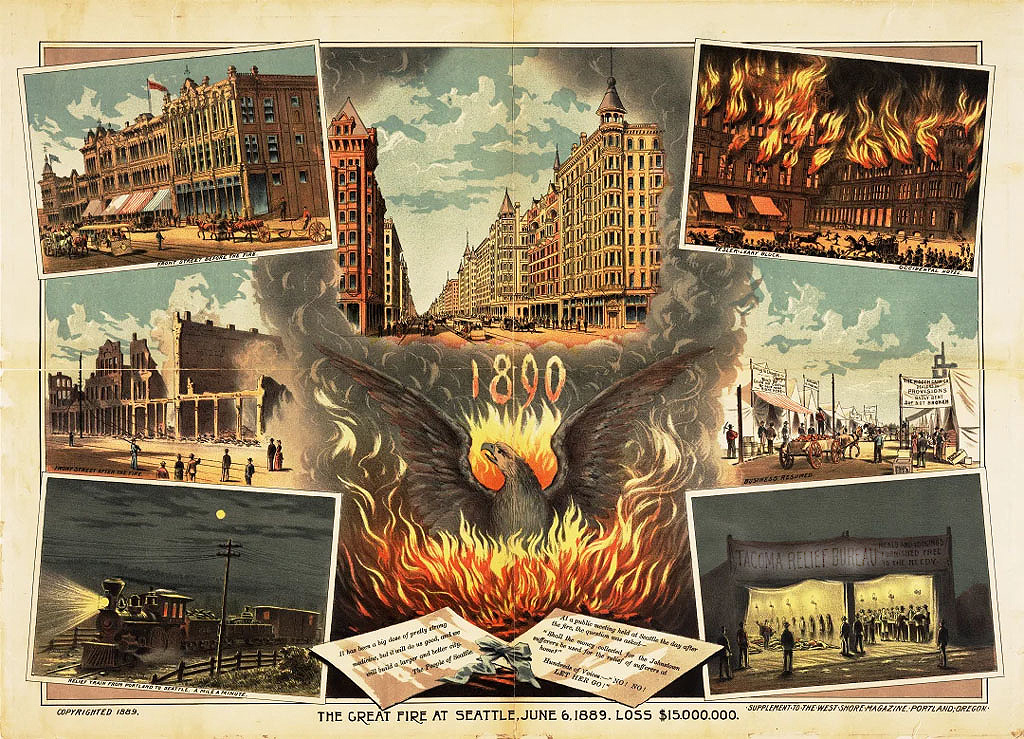
On June 6, 1889, a huge fire broke out in Seattle. It started in a workshop where glue was being made, after a pot of hot glue was accidentally knocked over. The fire was intense, and almost all the buildings at the time were made of wood. It burned down about 25 blocks in the city center. Fortunately, almost no one died, but a great many homes and shops were damaged.
The city’s residents didn’t lose heart. They said, “Let’s rebuild the city—and make it even better!” New buildings were now made of stone and brick, because they don’t catch fire as easily as wood.
Why the Streets Had to Be Raised
There was one big problem. Downtown Seattle stood on a low-lying shore of the bay, almost at sea level. When the tide came in, the water rose and flooded the streets. Worse still, seawater flowed into the sewer pipes and backed up into people’s homes. Imagine pressing the flush button on a toilet and having the water go the wrong way! It was not only unpleasant but also dangerous to people’s health.
The city engineer, Reginald Thomson, came up with a bold idea: raise the streets themselves. Not the buildings—the streets! High stone walls were built on either side of the roads, and then the space between them was filled with earth and sand. This raised the streets by 3–9 meters, depending on the location. It was like pouring water into a box until it reached the very top of the sides.
But here’s the interesting part: the buildings couldn’t wait. People were eager to reopen their shops, so they built new buildings right at the old ground level. The streets ended up high above them, while the buildings’ first floors were left below, in deep “trenches” between the walls.
Life on Two Levels
For a while, the city lived on two levels at once. Wagons rolled along the new street above, while people walked below, in the “ditches” beside the buildings. To get from one side to the other, you had to go down a flight of stairs, walk through a narrow passage, and climb back up. Imagine a schoolchild climbing up and down tall steps every morning just to get to the bakery! And what about a mother with a stroller? She had to find the easiest route. There were cases of people falling off the edge of the street, because there were no railings at first.
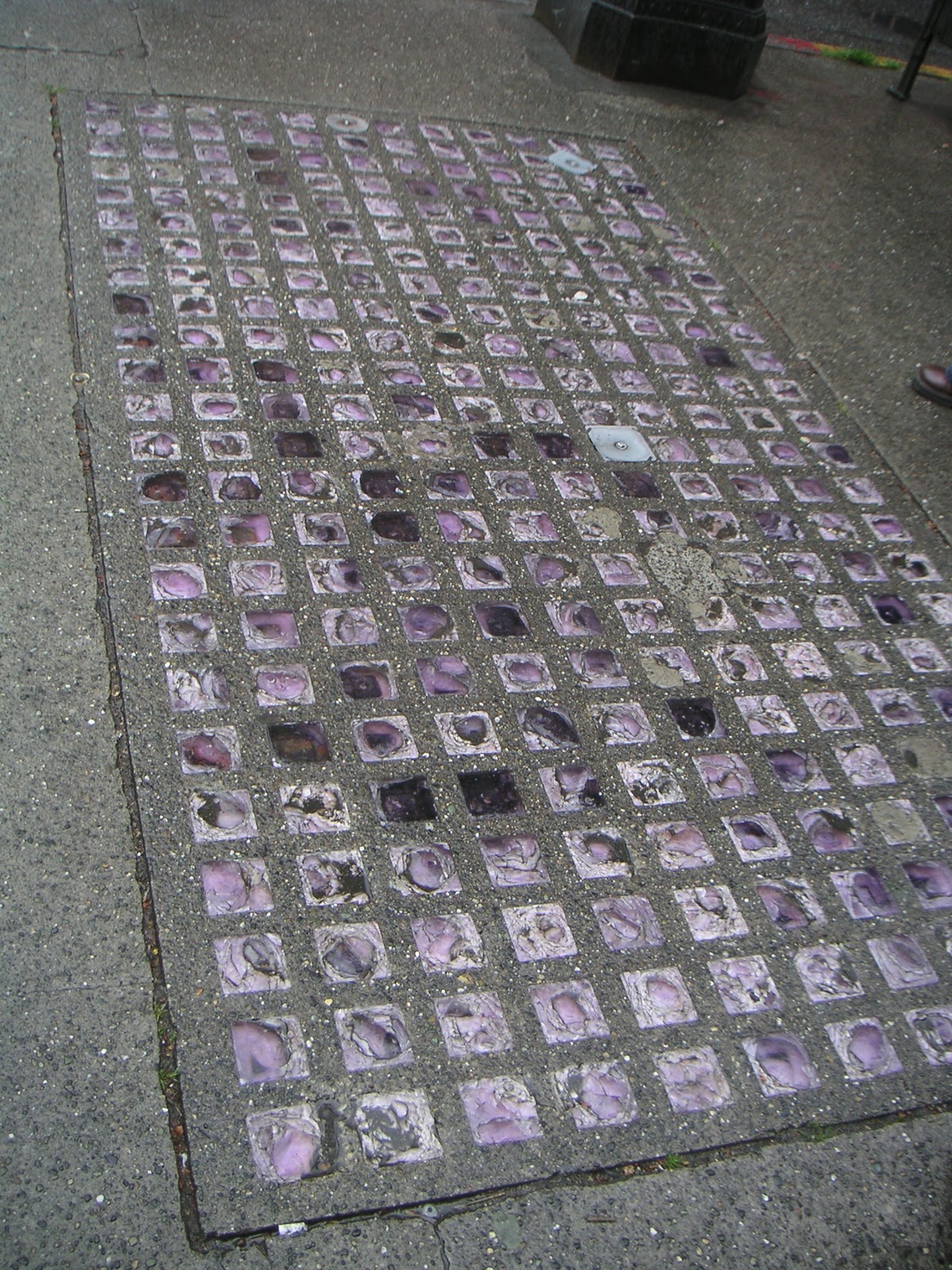
How did the lower-level shops get any light? Small glass windows called prisms were set into the sidewalks above the underground spaces. They worked like little lenses, letting daylight through so the basements were bright without candles or lamps.
Here’s an amazing mystery. Over time, many of the glass panes turned purple! Manganese was added to the glass to make it clear. But prolonged exposure to sunlight changes the manganese, and the glass gradually darkens to a beautiful lilac shade. Today, you can see these purple sidewalk windows in different parts of Seattle.
The Forgotten Residents of the Underground
Gradually, the raised streets became part of everyday life, and the lower floors of the buildings were no longer needed. In 1907, city officials closed the underground passageways, fearing that disease might spread there because the air was damp and musty. Shops moved to the upper floors, and the old spaces were locked up.
But the underground spaces weren’t left empty. Homeless people found shelter there from the rain and cold. Some are said to have hidden from the law, while others were simply looking for a warm place to stay. These people rarely appeared in newspapers or books, so we know much less about them than we do about wealthy merchants. But they were the ones who “ran” the underground city for many years.
Underground Seattle was forgotten for a long time. It wasn’t until 1965 that journalist Bill Speidel came up with the idea of taking tourists there. At first, many people laughed: who would want to wander around a damp basement? But the tours proved very popular, and today visitors from all over the world are shown the underground passageways. Guides tell them about the fire, the high walls, the purple glass, and the people who once lived there.
What the Underground City Tells Us
I think the most interesting thing about this story is that the city didn’t try to hide its strange mistake. It could have simply buried everything and forgotten about it. But the underground spaces survived, and later people decided, “Let’s show everyone!” Now we can see how people lived more than a hundred years ago.
Underground Seattle teaches us two things. First, people can find bold solutions, even when everything seems lost after a major fire. And second, every city has its own “second level”—a past lying right beneath our feet. We just need to stop, look down, and listen: perhaps someone there wants to tell their story.