Imagine that every spring, steamships leave the port of Seattle carrying thousands of people with small trunks and dreams of earning a living. They are headed to Alaska, to canneries where salmon is cut, washed, and sealed in tin cans. Many of these workers were Filipino. In 1933, they united in a labor union for the first time and succeeded in making themselves heard. It is an almost forgotten story, but its echoes have reached our own time.
Alaskeros: The People Who Fed the Country Salmon
In the early 20th century, canned salmon was a common food on store shelves across the United States. But few people thought about who filled those cans. In summer, fishing took place along the Alaskan coast, and there were so many fish that the work had to be done quickly while the salmon was still fresh. Thousands of people were hired every spring for this purpose. One of the largest groups was Filipino workers. They were called “Alaskeros” — the Spanish word for an “Alaska worker.”
At that time, the Philippines was under U.S. rule. Filipinos could therefore travel freely to America, but they were not considered U.S. citizens. In many places, they were denied housing and jobs, and some laws treated them worse than other people. There was also a peculiar hiring system. The canneries did not hire workers directly; contractors did. A middleman assembled a crew, received money from the cannery, and decided how much to pay the workers. He kept part of the money for himself. The workers lived in cramped communal bunkhouses, and if something went wrong, they had no one to complain to.
Imagine that a teacher handed her class over to another group for a week, while the class monitor took half of everyone’s lunch money and also decided who could go out for recess and when. That was roughly what life was like for these workers.
1933: “We’re Together”
The workers began to understand that if one person asked for something alone, no one listened. But if everyone asked together, the authorities had to talk to them. That was how the idea of a labor union emerged. A labor union is an organization in which people in the same profession join together to negotiate collectively over wages, housing, and fair rules.
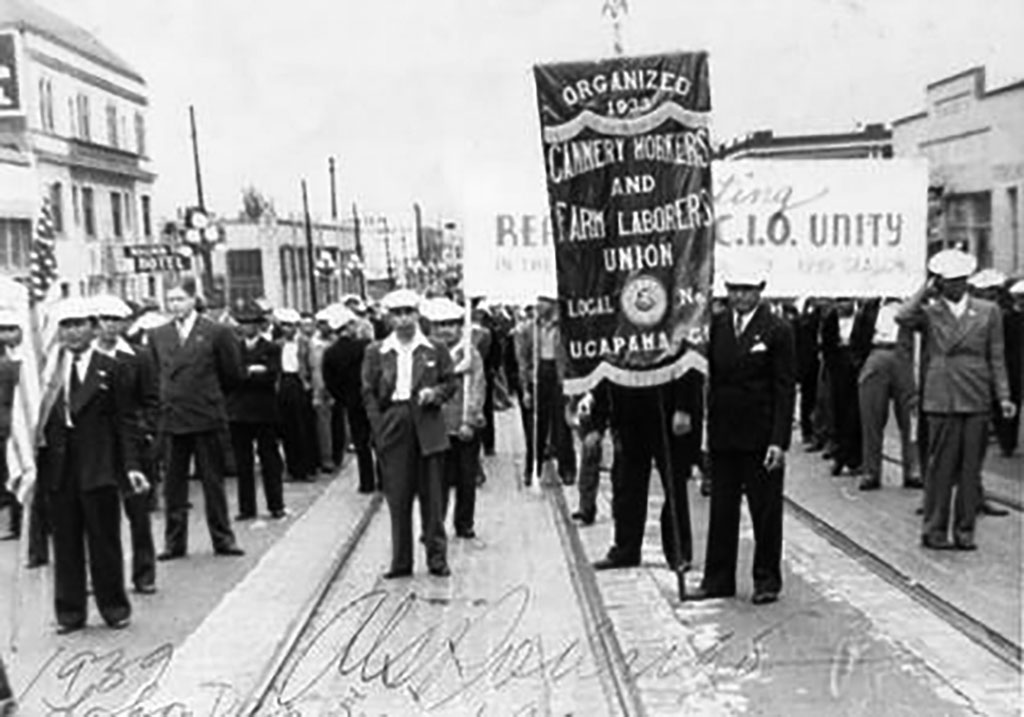
In 1933, a union of cannery and agricultural workers was formed in Seattle — Local 18257. It received official recognition from the large labor organization the AFL. The workers announced their demands and went on strike, refusing to work until they were heard. This was an extremely brave step: they risked losing their income, and many were living in a foreign country far from their families.
Historians disagree about some details of these events because few documents have survived. But the main point is clear: Filipino workers in Seattle were among the first in the industry to organize a union. The organization later changed its name and joined larger unions, but the memory of its beginnings remained.
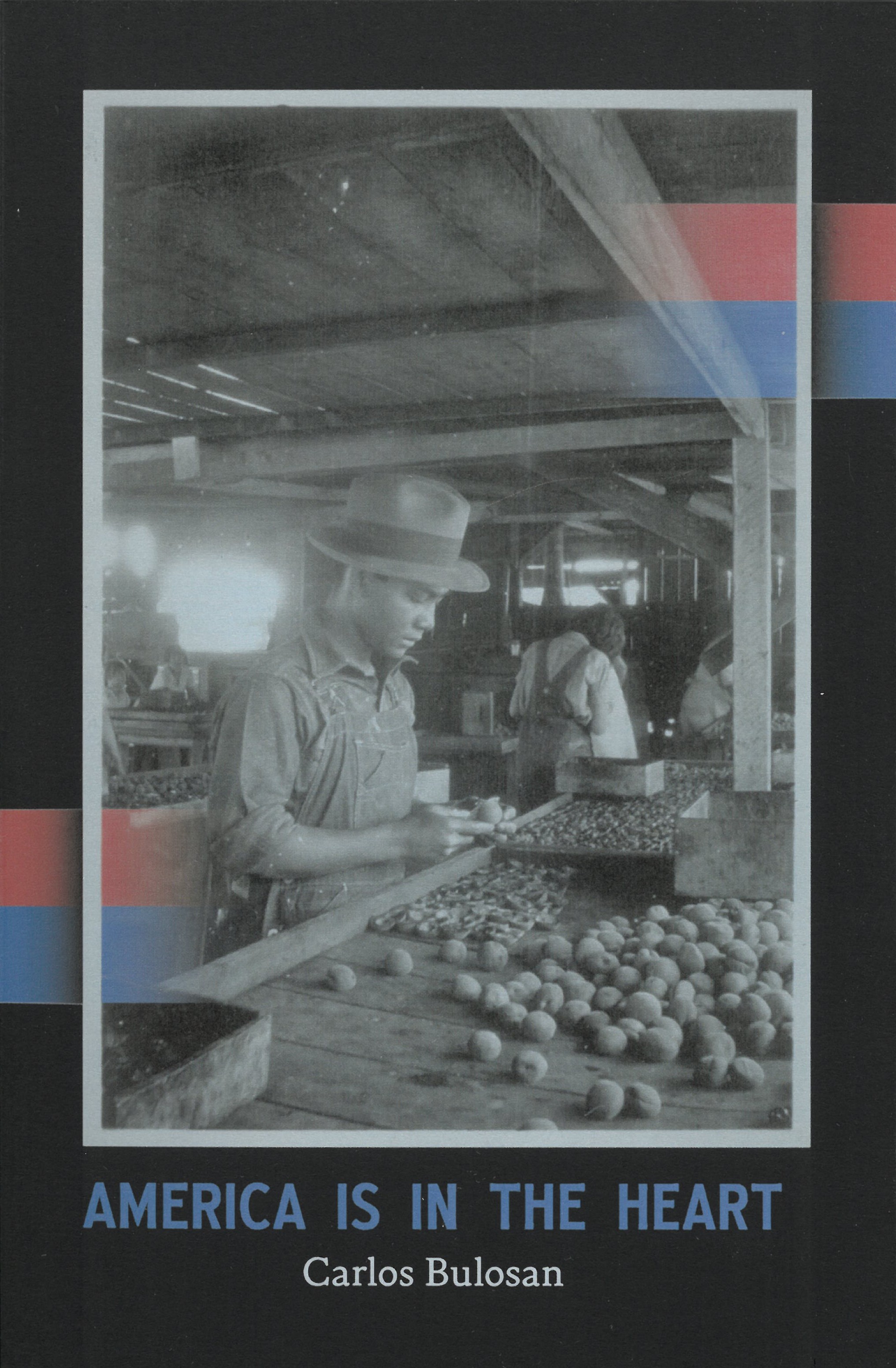
Among those who knew the life of the Alaskeros from the inside was the writer Carlos Bulosan, who worked in canneries when he was young. His famous book is titled America Is in the Heart. In it, he describes how difficult life was for Filipino workers in the 1930s and how strongly they believed in justice.
Nearly Fifty Years Later: Two Friends and an Honest Union
Now let us move forward to the 1970s. A new generation of Filipino Americans had grown up in Seattle. Among them were Silme Domingo and Gene Viernes, both still very young. They knew that their parents and grandparents had worked in Alaskan canneries, and they wanted the union once founded by their forebears to operate honestly. They joined the Cannery Workers’ Union, Local 37, and fought for fairness in the distribution of jobs. Seasonal positions had often been assigned through personal connections or in exchange for bribes, but they wanted equal treatment for everyone.
They also openly criticized the ruler of the Philippines, Ferdinand Marcos, who governed his country harshly and tolerated no opponents. On June 1, 1981, Silme Domingo and Gene Viernes were murdered inside the union building in Seattle. It was a terrible tragedy.
At first, it seemed the case might end with the deaths of these two men, but their relatives and friends refused to give up. They searched for the truth for years. It emerged that the murders were connected to people close to the Philippine government. In the late 1980s, a U.S. court ruled that Marcos was behind the killings. It was a rare and important decision: even a man who ruled an entire country was held legally responsible.