Imagine that almost a hundred years ago ordinary people in Seattle turned into real sea pirates. They carved secret routes through the islands, hid cargo in hidden compartments of boats, and used underground tunnels to move what the government had banned. The most surprising thing — many of those secret routes became the basis for the roads and routes Seattle residents still use today. This is the story of how lawbreakers accidentally helped build a modern city.
When America tried to ban the un-bannable
In 1920 America passed a very strange law. The government decided that adults could not buy or sell alcohol — no wine, beer, or other spirits. That period was called Prohibition. Politicians thought people would become healthier and happier. But the result was quite the opposite.
Many people considered the law unjust. They didn’t want the government telling them what to drink. And here’s where it gets interesting: ordinary fishermen, boat owners and even housewives became smugglers. They began secretly bringing alcohol from Canada, where it was legal. Seattle turned out to be an ideal place for this adventure.
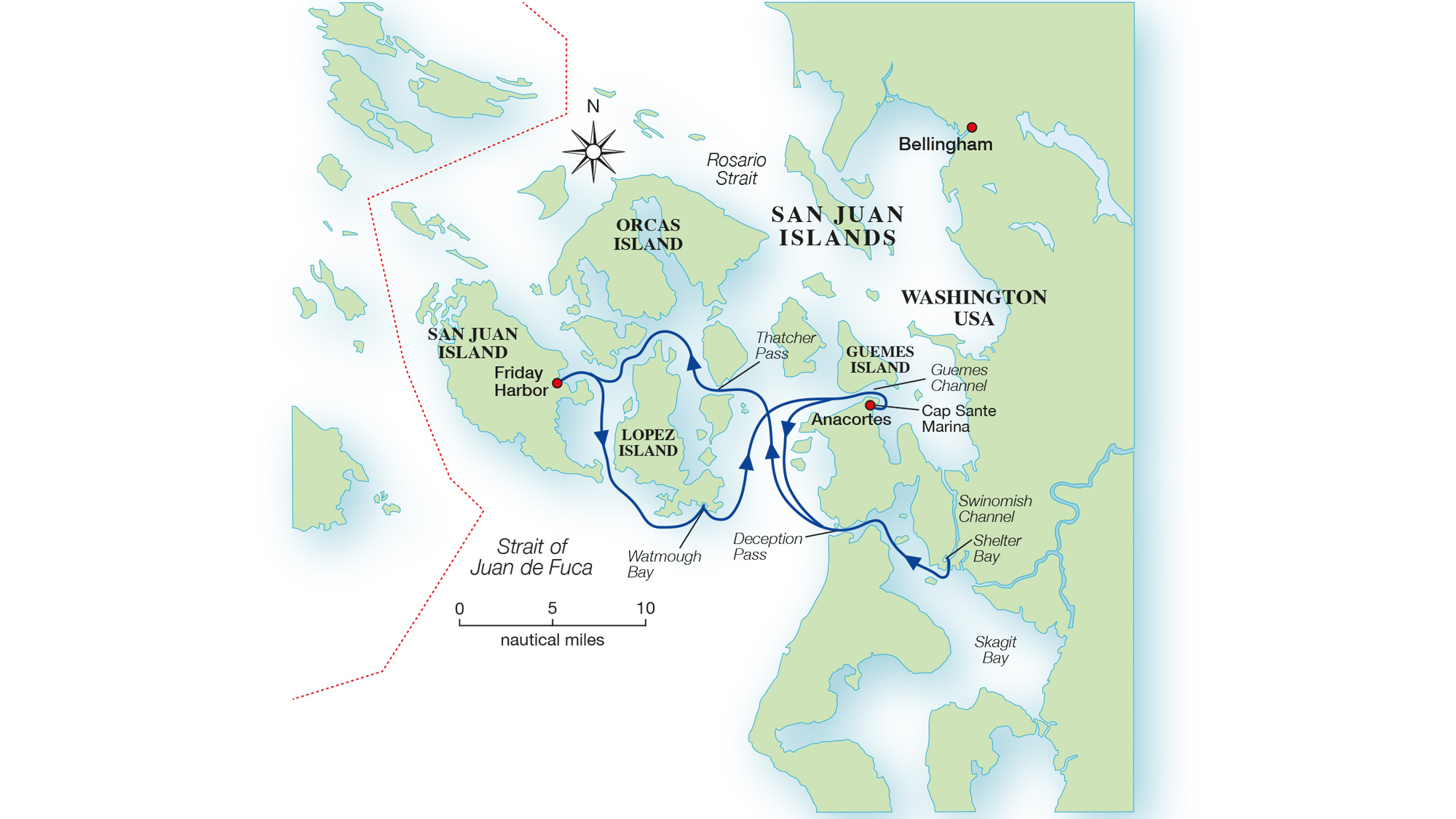
Look at the map: between Seattle and Canada there are only about 100 miles of water scattered with hundreds of islands. It’s like a huge maze where you can hide from the police. Puget Sound, with its fog, narrow channels between islands and numerous sheltered coves, became a playground for smugglers. They called themselves “rum-runners,” although they carried more than just rum.
Ghost islands and water highways
Smugglers quickly realized they needed a system. They couldn’t just sail in a straight line — the Coast Guard would catch them. So they created a complex network of routes, using the islands as stepping stones across the water.
The most famous route ran through the San Juan Islands. Imagine a chain of big and small islands — Orcas, Shaw, Lopez, San Juan. Smugglers hopped from island to island like stepping stones across a river. On each island they had secret storage depots. For example, on Stuart Island there was a small cove where boats could hide in the fog and transfer crates of bottles to smaller, faster runs.
Some smugglers were real inventors. They built special boats with two engines — a standard one for patrols and a hidden powerful one for escape. One well-known smuggler named Roy Olmsted (a former policeman!) created a whole fleet of fast boats. He was called the “gentleman smuggler” because he never used violence and treated it like a business.
Remarkably, many of these island routes later became the foundation for the Washington State ferry system. When the ferry system was created in 1951, engineers found that smugglers had already discovered the most convenient passages between islands — places with weaker currents, depths suitable for larger vessels, and shelter from storms. Modern Washington State Ferries often travel nearly the same routes as the rum-running boats of the 1920s.
The underground city helps criminals
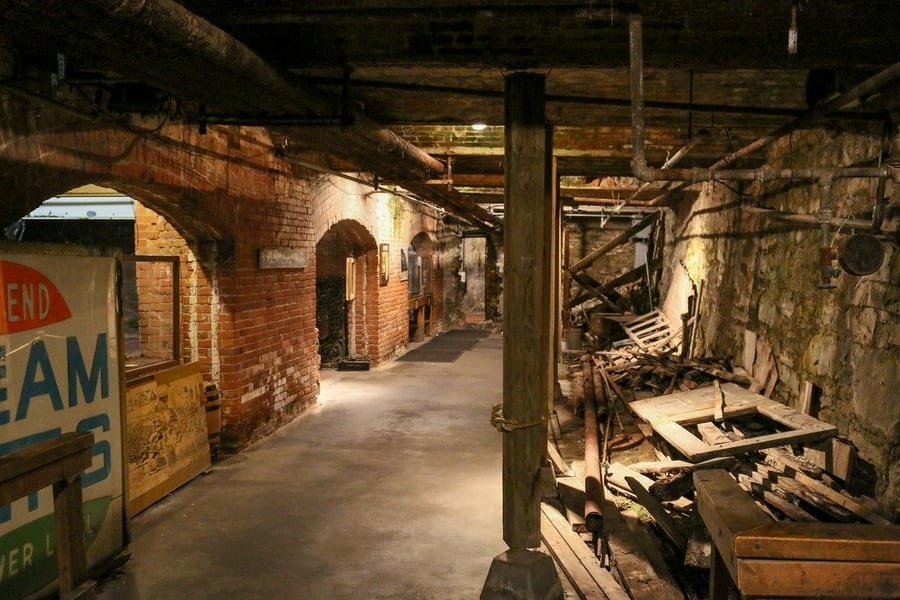
But the waterways are only half the story. When smugglers brought cargo into Seattle, they needed to hide and distribute it around the city. They used a secret many residents didn’t even know about: beneath the streets of old Seattle there was a whole underground city.
This story began back in 1889, when a huge fire swept through Seattle. The city was almost entirely burned down. When it was rebuilt, engineers decided to raise the streets by a full story — it made handling tides and floods easier. The old sidewalks and first floors of buildings ended up below ground. A network of underground corridors, rooms and passages formed beneath the Pioneer Square area.
During Prohibition these tunnels became a treasure for smugglers. They could unload boats at the waterfront, descend into the underground and move crates of bottles across downtown without appearing on the surface. Some buildings had secret elevators that dropped straight into the tunnels. In the basements of bars and restaurants they built hidden rooms with special doors that looked like ordinary walls.
One woman named Nelly Curtiss became famous for running a network of underground bars (called “speakeasies”). She used the tunnels to supply her establishments. The police suspected she was up to something but couldn’t catch her — Nelly always managed to hide everything through the underground passages.
Today these tunnels are one of Seattle’s main tourist attractions. The tour is called the "Seattle Underground Tour," and every year thousands of people go below ground to see where the smugglers hid. Some old bars have even preserved secret doors and hiding places.
How criminals helped build the city
The strangest thing about this story is that the smugglers, without intending to, helped Seattle’s development. It sounds paradoxical, right? But here’s how it happened.
First, they created infrastructure. To move goods, smugglers built docks in remote spots, carved roads to hidden coves, and created warehouses. When Prohibition ended in 1933, all that infrastructure remained. Many of those docks became the basis for modern marinas and yacht clubs. The roads that led to secret coves turned into scenic routes tourists travel today.
Second, they proved that quick, regular movement between Seattle and the islands was possible. Before Prohibition many islands were isolated — reached rarely and with difficulty. Smugglers showed that with the right boats and knowledge of currents, these trips could be made daily, in almost any weather. That convinced authorities regular ferry service was feasible and necessary.
Third, the money from smuggling (though illegal) helped many families survive hard times. The 1920s economy was unstable, and the Great Depression began in the 1930s. Fishermen supplementing their income by transporting banned goods could feed their families. Some later opened legitimate businesses — shops, restaurants, boatyards.
Traces on the modern map
If you visit Seattle today and look closely, you’ll see traces of that old story everywhere.
The Coleman Dock ferry terminal, from which ferries sail to Bainbridge and Vashon, stands almost where smugglers once unloaded their boats. Of course things look completely different now — modern buildings, electronic displays, cafés. But the ferry routes follow the same logic as the old rum-running paths: they use natural channels and wind-sheltered areas.
Pioneer Square, where the famous underground tunnels are located, is now a historic district with galleries, bookstores and cozy cafés. But beneath visitors’ feet the underground maze still exists. In some buildings owners have even installed glass floor panels through which you can look down and see the old tunnels.
The San Juan Islands today are home to artists, writers and people who love peace and nature. Many of the sheltered coves that now host yachts and kayaks were once secret meeting spots for smugglers. Locals sometimes find old bottles buried in the ground — remnants of caches that were never retrieved.
Even Seattle’s culture bears the imprint of that era. The city has always been a bit rebellious, a bit independent. People here like to do things their own way, not always agreeing with the government and valuing freedom of choice. Some historians argue that this is partly a legacy of Prohibition — when ordinary people decided an unjust law could be ignored.
What this story tells us today
The story of Seattle’s smugglers is not just about lawbreakers. It’s about how geography shapes a city’s fate, how people adapt to circumstances, and how even dark chapters can leave an unexpected legacy.
The islands and channels around Seattle determined what the city would become. They were and remain its defining feature. Smugglers were simply the first to truly learn this water system and show how it could be used. Later that knowledge proved useful for legal purposes — commerce, tourism, transportation.
This story also reminds us that laws must be fair and sensible. Prohibition failed because most people considered it wrong. When a law conflicts with what people see as just, they find ways to evade it. In 1933 the government acknowledged its mistake — Prohibition was repealed.
Today, when you take the ferry to Bainbridge or wander the underground tunnels of Pioneer Square, you’re following in the footsteps of those early adventurers. They were not heroes in the usual sense — they broke the law. But they were inventive, bold, and skilled. And unintentionally, they helped draw the map of modern Seattle — the map the city still lives by today.