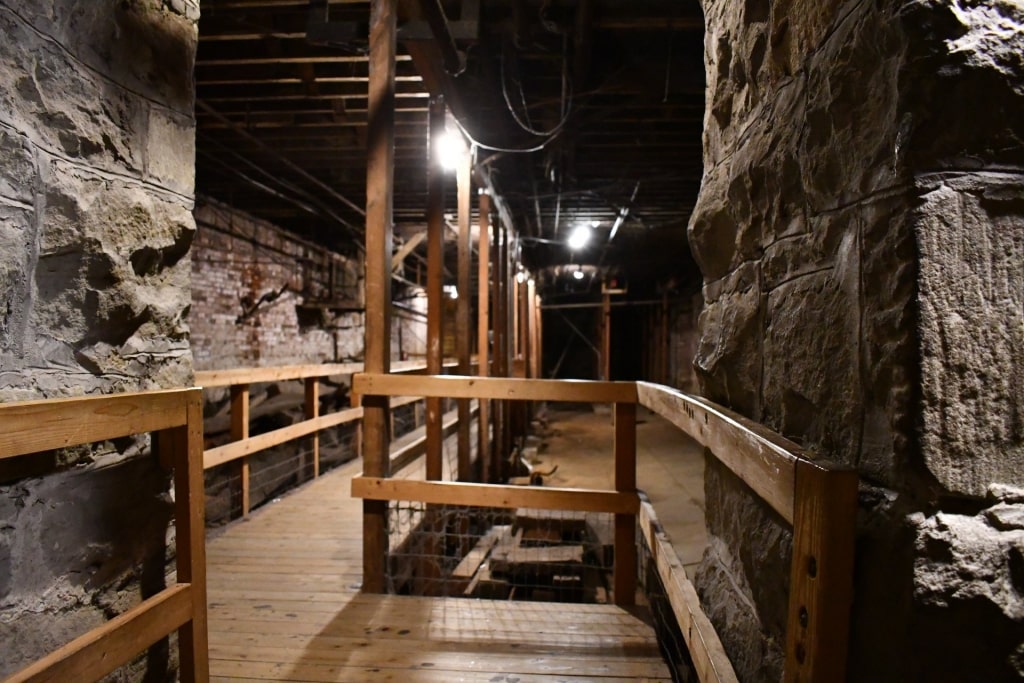
Imagine that beneath your feet, right under the sidewalk you walk to school on, there is a whole other city. A city with corridors, rooms and secret doors. A city that almost no one knows about. In Seattle such a city really exists — and it has a very interesting story.
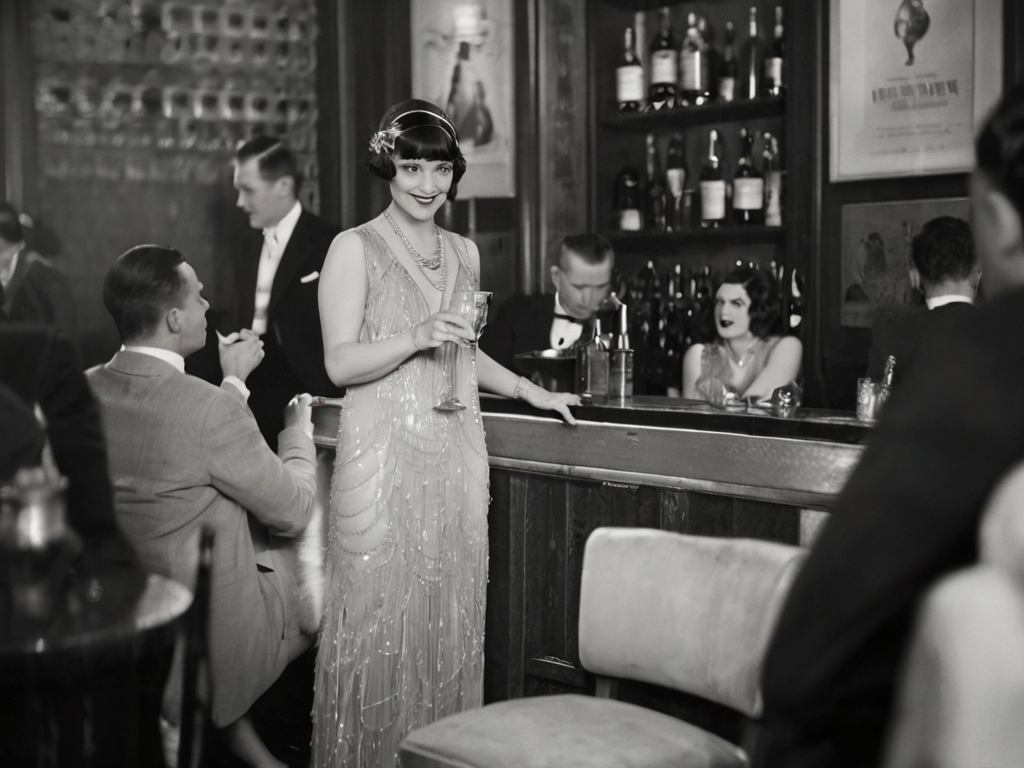
Almost a hundred years ago, in the 1920s, a very strange law was passed in America. It forbade people from making, selling, or even drinking any alcoholic beverages. This time was called Prohibition. Adults thought it would make life better, but the opposite happened: people simply began to break the law because they considered it unfair.
And that’s where smugglers came in — people who secretly brought in prohibited goods. In Seattle they turned out to be true masters of secrecy.
How to build an invisible road
Seattle sits very close to Canada, where alcohol was not banned. It was like the situation where your neighbor can have candy but you cannot — and there are only a few steps between your houses. Smugglers understood this and began to build secret routes.
They used the fact that Seattle is a city on hills by the water. Back in the late 1800s, the city decided to raise its streets by a whole level so they wouldn’t flood at high tide. Under the new streets remained old sidewalks, building basements and whole corridors. Most people forgot about them.
But the smugglers didn’t forget. They turned this underground labyrinth into their secret road. Boats with Canadian whiskey would quietly slip up to the docks at night. Cargo was moved into cellars right by the water. From there, through tunnels, barrels and crates traveled underground — right under the feet of policemen! — and ended up in secret bars called “speakeasies” (from the English words “speak quietly”).
In one such cellar, under a building on First Avenue, archaeologists found old bottles labeled by Canadian producers, empty crates and even a system of ropes and pulleys — a kind of underground hoist for smuggling.
Secret signs and clever tricks
Smugglers invented a whole system of signals to avoid being caught. If a certain shop window displayed a blue vase with flowers — it meant the coast was clear. If the vase disappeared — danger, hide.
They built double walls in basements. From the outside a wall looked ordinary, but if you knew where to press, a door to a secret room would open. In one building they found a door disguised as a bookshelf — just like in adventure movies!
Some smugglers hid goods in the most unexpected places. For example, in empty fish barrels. Seattle was a big fishing port, and no one was surprised when hundreds of such barrels were unloaded from ships. Only some of them smelled of fish, and others — of something else entirely.
One woman named Roy Olmsted was Seattle’s most famous smuggler. She had once been a police officer! She knew all the police routes and shifts and used that knowledge to plan deliveries. She was called the “Queen of Smugglers.” She even bought a radio station and sent secret messages to her team over the air, using special codes. The police listened to the radio and understood nothing!
The city beneath the city today
Nearly a hundred years have passed. Prohibition was repealed in 1933. But the secret tunnels didn’t disappear. And here’s the surprising thing: many of them are still in use!
Only now, instead of barrels of whiskey, cables run through those old corridors. Internet cables, electrical wires, water pipes. Modern Seattle is a tech city, a city of computer companies. And much of the invisible network that lets you watch videos, play games and make video calls to your grandmother partly runs along the same routes smugglers once used.
Some old speakeasies have turned into trendy cafés and restaurants. Their owners don’t always know that there’s a piece of history under their floors. In the Pioneer Square area there’s a tour of the underground city where you can see these old tunnels. Guides show tourists secret doors and tell stories about the smugglers.
But the most interesting thing is the parallel with today. Just as smugglers built an invisible network under the city, modern engineers build an invisible network for the internet. Most people use the internet every day, but almost no one thinks about the miles of cables under the ground and under the oceans that make it possible.
Lessons from the smugglers
The story of the secret city beneath Seattle teaches us several important things.
First, bad laws don’t work. When the government banned alcohol thinking it would solve problems, the result was worse. People didn’t stop wanting it — they just started getting it illegally. This created a whole criminal industry. Sometimes adults make decisions thinking they know better, but they don’t take into account how people actually behave.
Second, people are incredibly inventive when they need something. Seattle’s smugglers weren’t engineers or architects, but they created a complex system of tunnels, signals and hiding places. They solved puzzles every day: how to move cargo unnoticed? How to warn each other of danger? How to hide goods so no one would find them?
Third, infrastructure is what remains. Tunnels built for one purpose serve the city for another purpose a hundred years later. When you build something durable and well thought out, it can be useful to future generations in ways you never imagined.
And finally, history hides in the most unexpected places. Beneath an ordinary downtown sidewalk there may be a secret door to the past. A café where you drink hot chocolate may once have been a secret bar. People who walked these streets a hundred years ago lived very different lives, but their traces are still here.
Secrets that connect
Today, when you walk the streets of Seattle, there are two invisible cities beneath you. One is the old smugglers’ city with its secret tunnels and hidden doors. The other is the modern city of cables and wires that carries information at the speed of light.
Both cities were built by people who wanted to connect — to deliver what people needed despite obstacles. Smugglers connected Canada and America. Internet engineers connect the whole world.
Maybe that’s the real lesson: people will always find ways to connect, exchange and share. You can build walls, pass laws, impose bans. But the human desire to communicate and exchange is stronger than any barrier. And sometimes that requires building an entire secret city — beneath the ordinary city.
Next time you walk on a sidewalk, think: what’s under your feet? Maybe there’s a cable carrying a message from a friend to you. Or maybe there’s an old brick wall with a secret door through which, a hundred years ago, someone once carried a barrel of Canadian whiskey, risking their freedom.
History doesn’t disappear. It just hides underground and waits to be found.