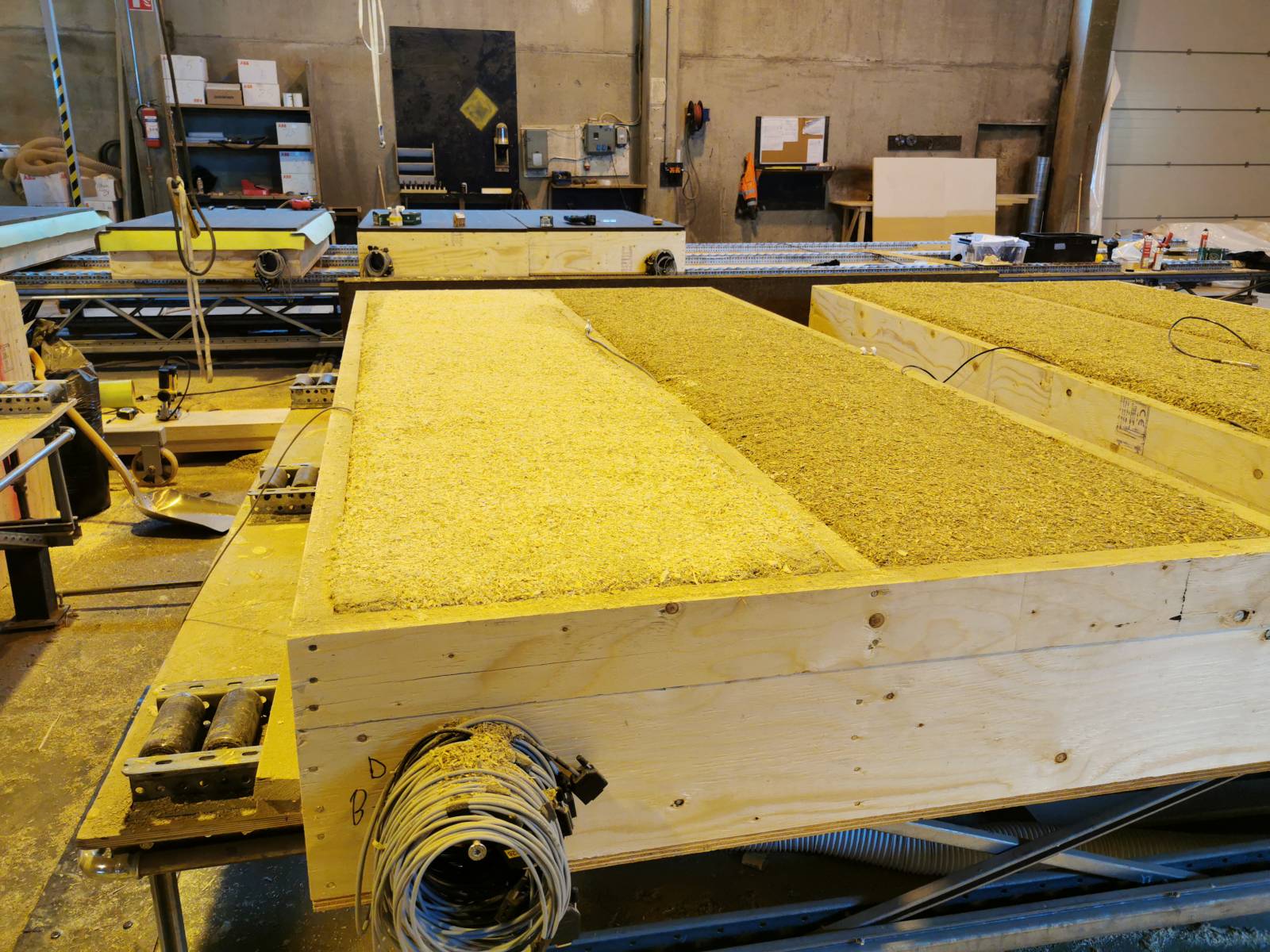
Imagine an old building in Seattle’s Central District. If you were to take its walls apart, you would find tons of sawdust inside — wood dust that has been there for nearly a century. But this is not waste or a builder’s mistake. It’s a clever architectural trick that helped jazz music sound loud inside while remaining quiet outside. And then, many years later, that same sawdust helped the neighborhood become cleaner and save energy. This is the story of how buildings built for music in an era of injustice accidentally learned to care for the environment.
In the 1920s and 1930s, Seattle’s Central District was one of the few places where Black people were allowed to buy homes and open businesses. At that time, unfair segregation laws forced white and Black people to live separately. But this sad history had a bright side: an incredible jazz culture blossomed in the Central District. Clubs with names like the Black and Tan, the Washington Social and Educational Club, and dozens of others filled the streets with the sounds of saxophones, double basses, and drums.
Walls That Ate Sound
Jazz club owners faced a big problem. The music had to be loud — jazz loses its energy without volume. But neighbors complained about the noise, and the police at the time looked for any reason to shut down venues owned by Black people. Ordinary soundproofing methods — thick brick walls or special panels — were expensive. So architects and builders from the Black community came up with a brilliant solution: they began packing the cavities between walls with sawdust from lumber mills.
Seattle was a logging city then. Sawdust was considered waste — there was so much of it that sawmills often gave it away just to be rid of it. Builders discovered that sawdust absorbs sound excellently: each tiny wood particle traps a sound wave and prevents it from passing through. The walls of jazz clubs became like giant sponges for music. A saxophone could roar inside the club, while on the street you’d hear only a muffled murmur.
But sawdust did something else important that the builders hadn’t even considered: it preserved heat in winter and kept interiors cool in summer. The air trapped between the sawdust particles acted like a blanket for the building. During Seattle’s cold winters, clubs needed less coal for heating. That saved owners money and meant less smoke over the neighborhood — an accidental environmental win.
Floors That Learned to Fly
Sawdust in the walls wasn’t the only trick. Jazz clubs invented another architectural feature — “floating floors.” When hundreds of people danced to live music, their feet created vibrations that traveled through a normal floor into the ground and then into neighboring buildings. That caused complaints and problems.
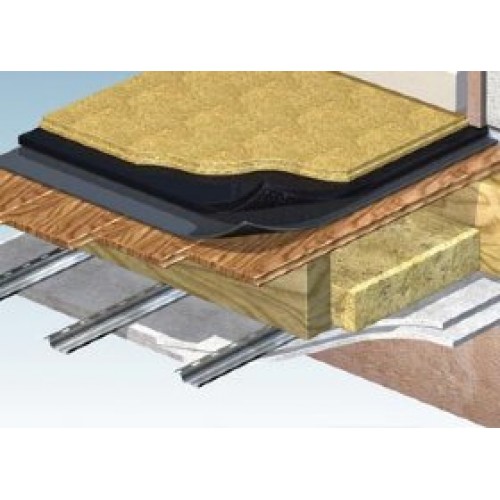
Builders started making floors that didn’t touch the walls directly. They layered felt, old carpets, and sometimes — again, sawdust in bags — between the dance floor and the building’s foundation. The floor seemed to hang in the air on soft cushions. When people danced, the vibration was absorbed by these layers and didn’t travel further. One musician of the era, Ray Charles, who played in Seattle clubs in the 1940s, said: “The floor underfoot was alive — it breathed with the music, but the neighbors slept soundly.”
This construction also turned out to be environmentally smart. Floating floors used recycled materials — old carpets from closed hotels, felt from factories, even shredded newspaper. In an era when almost nobody thought about ecology, the Central District’s jazz clubs accidentally became pioneers in reusing waste in construction.
A Second Life for Musical Buildings
By the 1960s much had changed. Segregation laws were abolished, Black people gained more rights, but many jazz clubs closed. Young people listened to rock ’n’ roll instead of jazz. The Central District faced new problems: poverty, crime, pollution. Old club buildings stood empty.
Then something surprising happened. Local activists began converting these buildings into community centers — places for children’s programs, libraries, and family service centers. And they discovered that the old jazz clubs were ideal for this. The sawdust in the walls still worked: children’s classes could be loud without bothering neighbors. The floating floors proved safe for playrooms — they cushioned falls.
Most importantly: these buildings consumed little energy. In the 1970s, when energy prices soared, community organizations with small budgets could afford to heat the old clubs thanks to the sawdust insulation. One former club building, Washington Hall, built in 1908 and used for jazz, became a cultural center. A 1985 study showed it used 40% less energy for heating than comparable buildings without sawdust insulation.
Today, several of these buildings in the Central District have been turned into environmental education centers. Children come to learn about waste recycling, energy conservation, and the history of their neighborhood. They are shown the very walls filled with sawdust and told: “See? Your great-grandparents and great-grandmothers solved problems smartly — they took what others threw away and made something useful.” It’s a lesson not just about ecology, but about how creativity and necessity give birth to innovations.
Music That Keeps Helping
The story of sawdust in the walls of jazz clubs teaches us an important thing: sometimes solutions invented for one problem help solve very different problems many years later. The Black builders of the 1920s weren’t thinking about ecology — they simply wanted their music to sound free without causing trouble. But their ingenuity created buildings that decades later helped the community save resources and care for the environment.
The Central District of Seattle is changing today — new residents are arriving, modern houses are being built. But several old jazz buildings with sawdust-filled walls are protected as historic landmarks. They remind us that architecture is not just walls and roofs. It’s people’s stories, their struggles, their music, and their ability to find beautiful solutions in hard times. And most surprising of all — that sawdust, which remembers the sounds of saxophones from nearly a century ago, still does its job, preserving warmth and silence for a new generation.