Imagine that in your city there's an old railroad that hasn't seen trains in years. The rails are rusting, the ties are rotting, and children play there even though it's dangerous. Adults say, "We need to remove all of this!" But where to put it? And what to build instead? In the 1970s, Seattle residents faced exactly this problem. What they came up with changed not only their city but also hundreds of other cities across America.
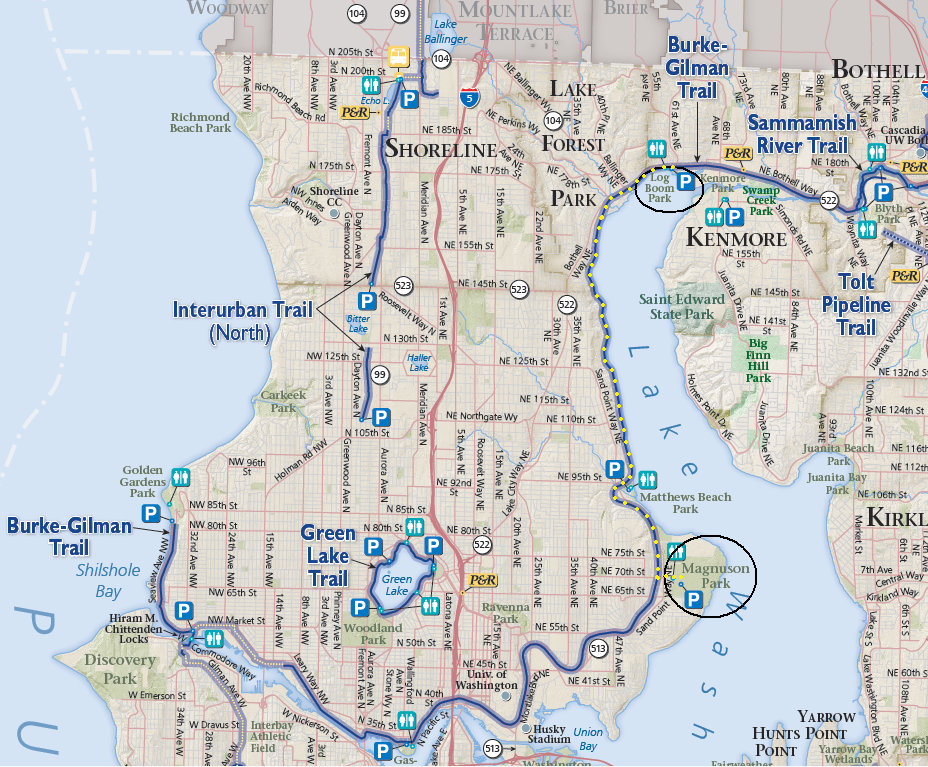
This is the story of how disused rail lines became the Burke-Gilman Trail — one of the first bike paths in America built on an old railway. But the most amazing part of the story is that ordinary children helped make it happen by drawing the future of their city with colored pencils.
When the trains left, but the dreams remained
In 1971 the company that owned the Burke-Gilman Railroad decided to close it for good. The line had been built back in 1885 and once carried coal, logs, and people from downtown Seattle to the northern neighborhoods. But times changed: trucks and cars appeared, and the old trains were no longer needed.
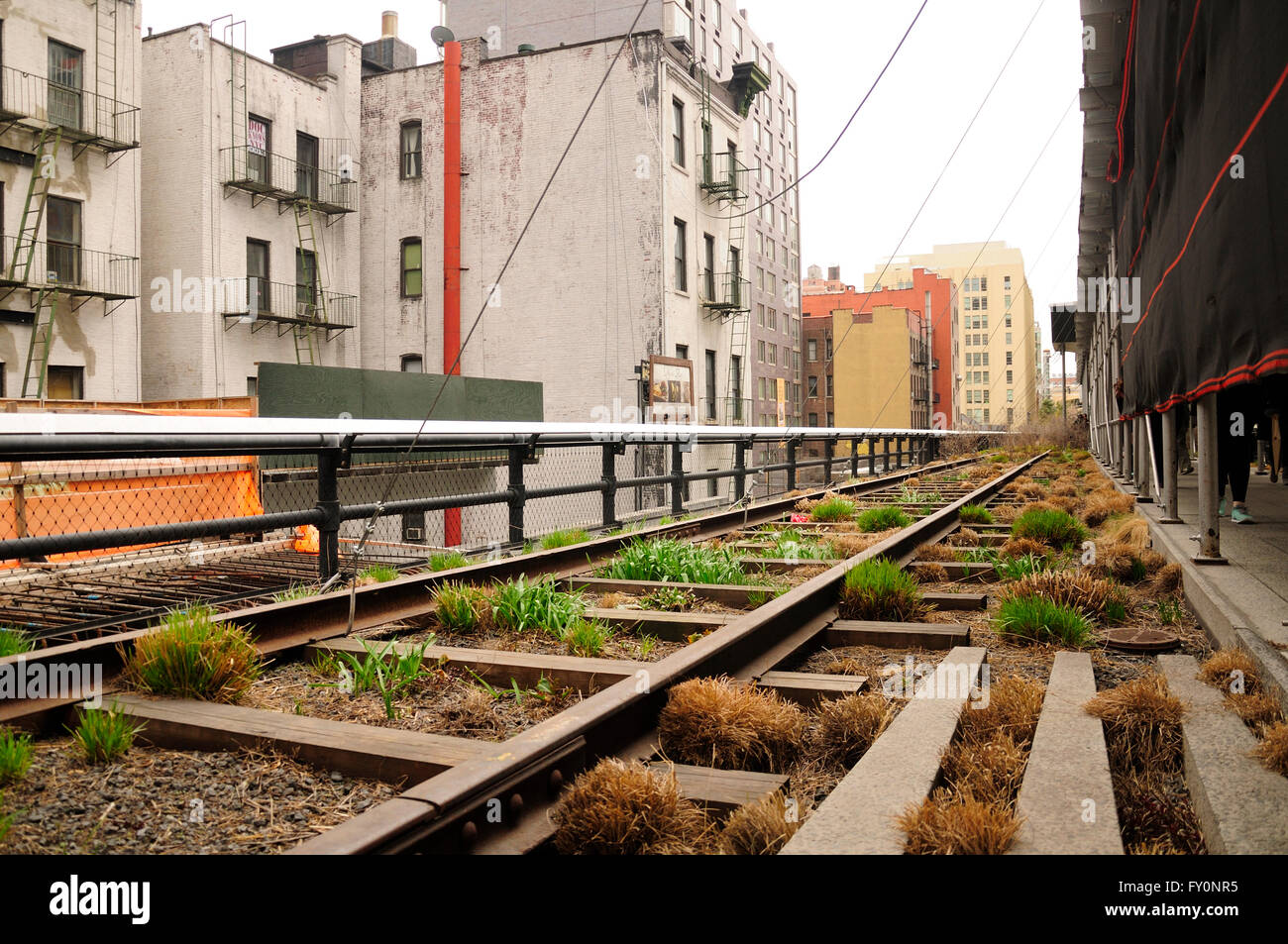
Twenty-seven kilometers of rusty rails ran through the city like a giant metal scar. Locals used the abandoned tracks as shortcuts, children played between the ties, and teenagers held secret meetups there. But it was dangerous: you could trip over a rail, fall into a hole, or get cut on rusty metal.
City officials wanted to simply remove it all and sell the land for development — shops, parking lots, maybe new houses. But a group of ordinary residents thought, "What if we turn this old railway into something useful and beautiful?"
A crazy idea nobody believed in
The idea sounded crazy: leave a long, narrow strip of land across the city and make it a path just for bicycles and pedestrians. No cars! Imagine how rare that was in America, where cars are kings of the road.
Many adults opposed it. Shop owners said, "Vagrants and troublemakers will come!" Some residents feared a bike path near their homes would bring noise and litter. Even on the city council many thought it was a waste of money: "Who will ride bikes in rainy Seattle?"
But the group of enthusiasts didn't give up. They organized meetings in schools and libraries to explain their idea. And then something surprising happened: children began to help adults dream.
At one meeting a teacher asked her students to draw what their dream bike path would look like. The kids drew families on bikes with colored pencils, squirrels in trees lining the path, little bridges over streams, benches for resting. They wrote letters to the city council: "Please make a safe place where we can ride bikes without being afraid of cars!"
Those drawings and letters reminded adults of something they'd forgotten: a city is not only for work and shops, but also for joy, for health, for families to spend time together outdoors.
How to turn iron into a dream
In 1978 the city finally agreed: the old railroad would become a bike trail! But how to do it? You can't just remove the rails and say, "Done, ride!" Engineers had serious work ahead.
First they had to pull thousands of kilograms of old rails and iron ties from the ground. It was like a massive operation to remove the city's metallic bones. Workers then leveled the ground, laid down gravel, and paved it with smooth asphalt so bikes would roll easily.
The most interesting work involved bridges and tunnels. The old railway crossed streets and creeks. The railroad bridges had been designed for heavy trains, and now light bicycles would use them. Engineers reinforced the bridges, added safety railings, and painted them in bright colors.
In some places they had to build new small bridges — wooden, curved, like the ones the children had drawn. One such footbridge crosses Salmon Bay, where in autumn you can see fish swimming upstream.
The first ride and a big celebration
On July 14, 1978, the first section of the Burke-Gilman Trail opened in a ceremony. The mayor, engineers, ordinary residents, and of course children gathered at the start of the new path. A red ribbon was cut, and the first to ride the new trail was a family: mom, dad, and two kids on bikes.
A nine-year-old girl named Sarah later remembered, "I rode and couldn't believe it was real. The pavement was so smooth, trees rustled overhead, and there were no cars! I felt like I was in a fairy tale where the roads were made especially for children."
In the first weekend after the opening thousands of people came to try the new trail. There were cyclists of all ages — from toddlers with training wheels to grandparents. Runners, roller-skaters, and parents with strollers all smiled and greeted one another.
Shops near the trail that had feared trouble suddenly found more customers. Cyclists stopped to buy water, ice cream, snacks. Houses near the trail rose in value — it turned out people dreamed of living close to such a lovely place!
The magical river that runs through the city
Today the Burke-Gilman Trail is more than just a bike path. It's a living ribbon connecting different parts of the city, like a river links banks. Thousands of people use it every day: some commute to work or school, some train, and some simply stroll.
Large trees have grown along the trail, offering shade in summer and shedding golden leaves in autumn. Benches, drinking fountains, and signs identifying plants and sharing historical facts appeared. In some spots artists painted bright murals on the pavement and sculptors installed playful statues.
One favorite spot for children is the section near the university where the trail passes a large wetland. Ducks, herons, muskrats live there, and with luck you might spot a beaver! A wooden viewing platform was built for wildlife observation, where students study nature right in the middle of a big city.
The trail also got "bike counters" — electronic displays showing how many cyclists passed that day. On a sunny summer day that number can reach 3,000 people! Kids love watching the digits change as they ride by.
How Seattle taught other cities to dream
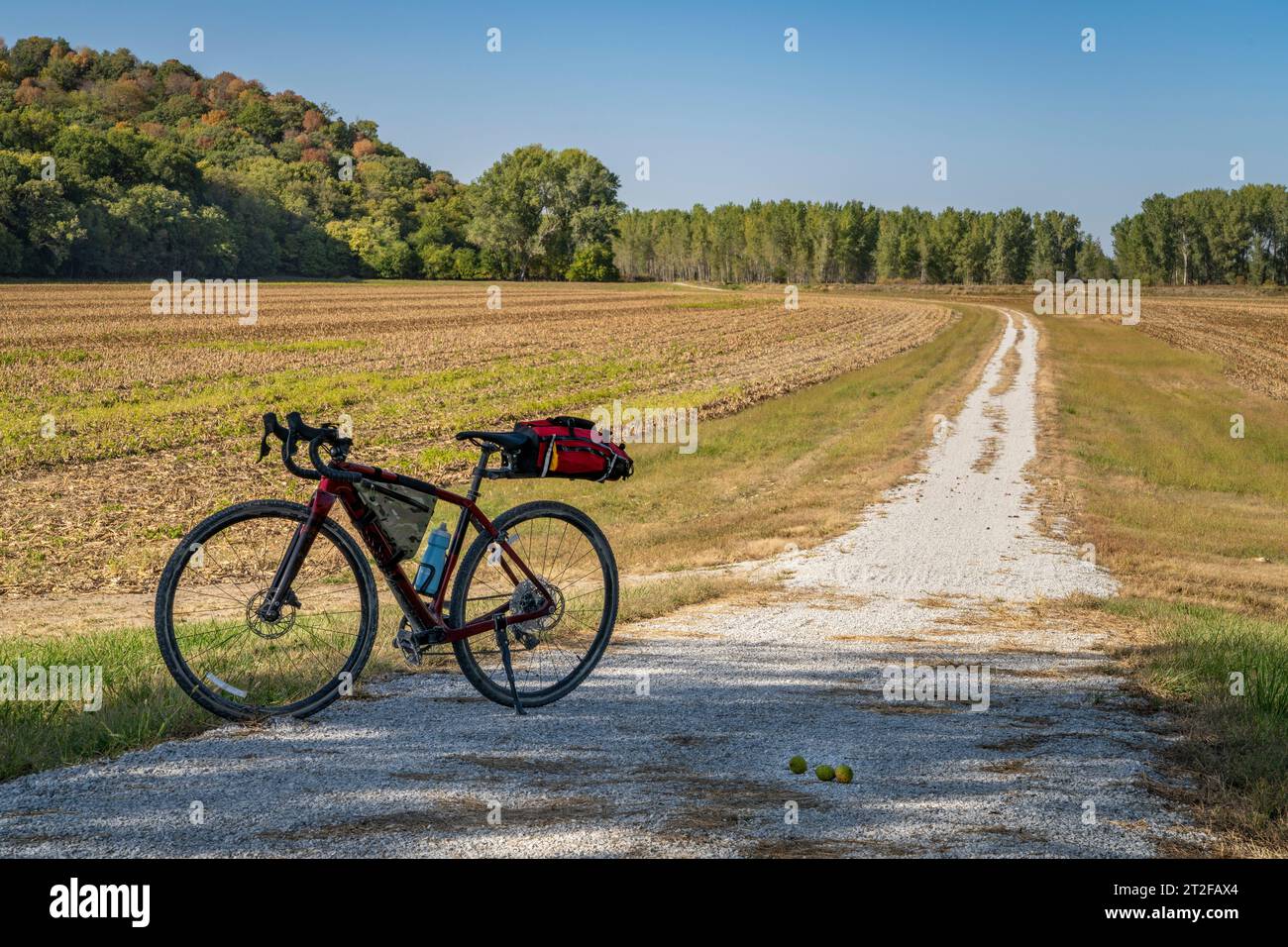
The story of the Burke-Gilman Trail proved so inspiring that other cities across America began to copy the idea. Today there are more than 2,000 such trails in the U.S. built on former rail lines. Their combined length is over 40,000 kilometers — like circling the Earth along the equator three times.
Each trail has its own story, but they all began with the same “crazy” idea: turn something old and useless into something new and beautiful. Engineers from other cities came to Seattle to learn how to build these trails properly. They photographed bridges, measured pavement widths, and asked residents what they liked and what could be improved.
An engineer from a small Iowa town said, "When I saw the Burke-Gilman Trail, I realized it was more than a bike path. It's a way to give people back their city, to provide space where they can breathe, move, and be together. We went home and built our trail. Now our town is known across the state!"
Lessons from the rusty rails
What does the story of the old railroad turned bike trail tell us? First, it teaches that nothing is ever truly "useless." What looks like old junk can become a treasure if seen differently.
Second, it shows how important the voices of ordinary people are — including children. If those schoolchildren hadn't drawn their dreams and written letters, adults might never have taken on the project. Children's imagination helped engineers and politicians see the future.
Third, it's a story of patience and faith. It took seven years from the first idea to the trail's opening. Many wanted to give up when they met resistance. But the enthusiasts kept explaining, persuading, and showing examples from elsewhere. And they won.
Today the Burke-Gilman Trail is not just a path. It's proof that cities can change for the better, that engineering is not only about big buildings and bridges but also about caring for people, their health, and happiness. It's a place where rusty iron turned into golden memories for thousands of families who ride there, holding hands and smiling.
And who knows? Maybe your city has something old and forgotten waiting for someone — maybe you — to look at it with fresh eyes and say, "Let's turn this into something beautiful!"