Imagine this: in your city, something very important is happening—but the big TV networks only show what they’ve been allowed to film. Everything else feels as if it doesn’t exist. That’s almost what happened in Seattle in November 1999. But a small group of people with cameras and laptops decided it wouldn’t be that way. And they changed how the whole world finds out about the news—forever. They did it in a tiny room, with no money and no authorization.
A Big Meeting—and Even Bigger Protests
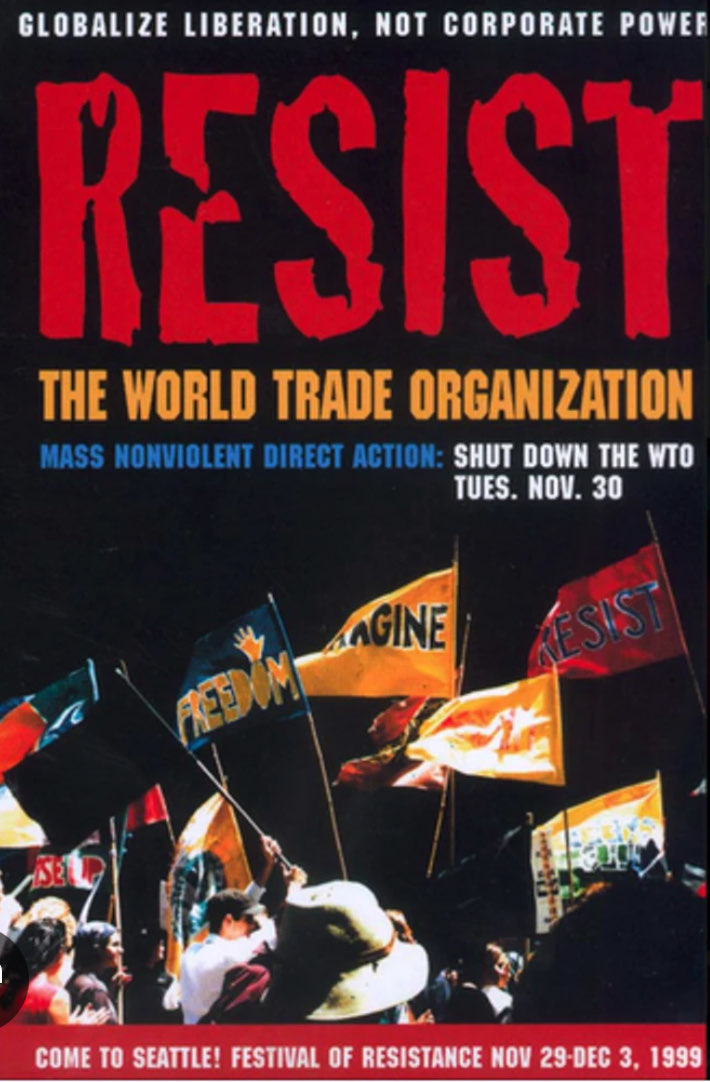
In late November 1999, representatives from nearly every country in the world came to Seattle. They gathered for a meeting of the World Trade Organization—the WTO. It’s a huge organization that sets the rules for how countries trade with each other: what to sell, what to buy, and under what guidelines. Many people were unhappy with those rules—they felt they were unfair to poor countries and ordinary people: farmers, workers, teachers.
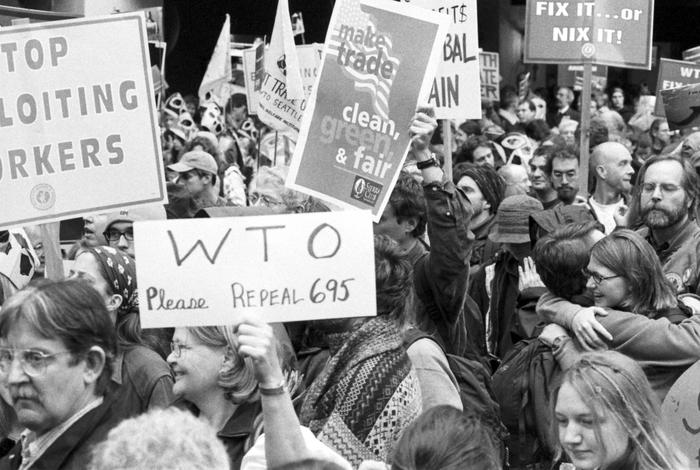
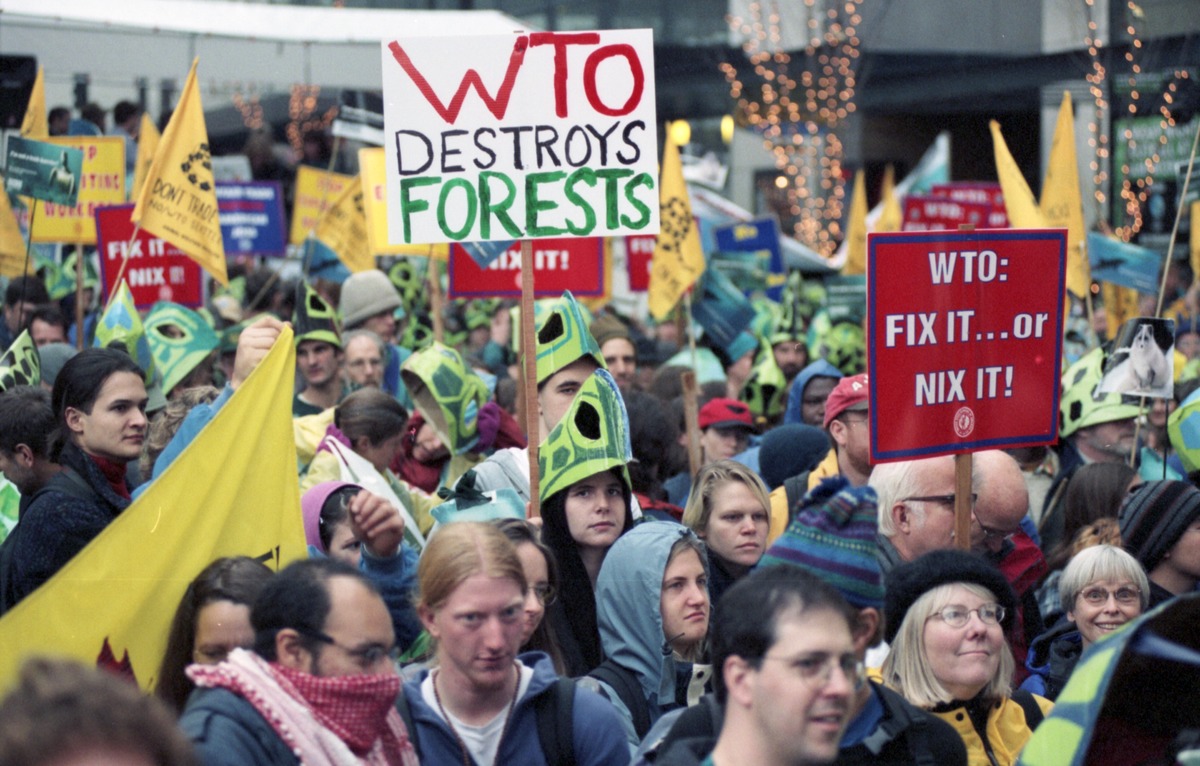
Tens of thousands of people took to the streets of Seattle. There were students and retirees, fishermen and doctors—people from different countries and the widest range of jobs. They wanted to be heard. Police used tear gas and rubber bullets. Part of the city was sealed off. For several days, Seattle looked like a movie about revolution—smoke, helicopters, and people in gas masks.
The major TV networks filmed it all—but they only broadcast what seemed important to them: broken store windows, police in armor, flames. Meanwhile, thousands of peaceful people with signs, scientists explaining why they were there, grandmothers singing songs right in the middle of the street—all of it stayed off-screen. As if none of it was real.
A Garage That Became a Newsroom
In the weeks before the protests began, a small group of people rented a small space in downtown Seattle. They called themselves activists and journalists—even though most of them had no official credentials. What they did have was video cameras, laptops, and something else besides: the ability to write software.
They built a website. Today that sounds simple, but in 1999 the internet was completely different. There was no YouTube. There were no social media platforms. Most people didn’t even use the internet every day—it was something new and a little confusing. And certainly nobody streamed video live over a normal connection: it was technically very difficult, the video loaded slowly, and few people believed it could be done “on the fly” in a small room without big equipment.
These people did exactly that. The website software was written by an Australian programmer, Matthew Arnison—he created it specifically for the t