
Imagine you had saved money for something important, went to a store, and were told, "We won't sell it to you." Not because you didn't have the money, but simply because of who you are. Hurtful? That's exactly how Black porters in Seattle felt nearly a century ago when they walked into banks.
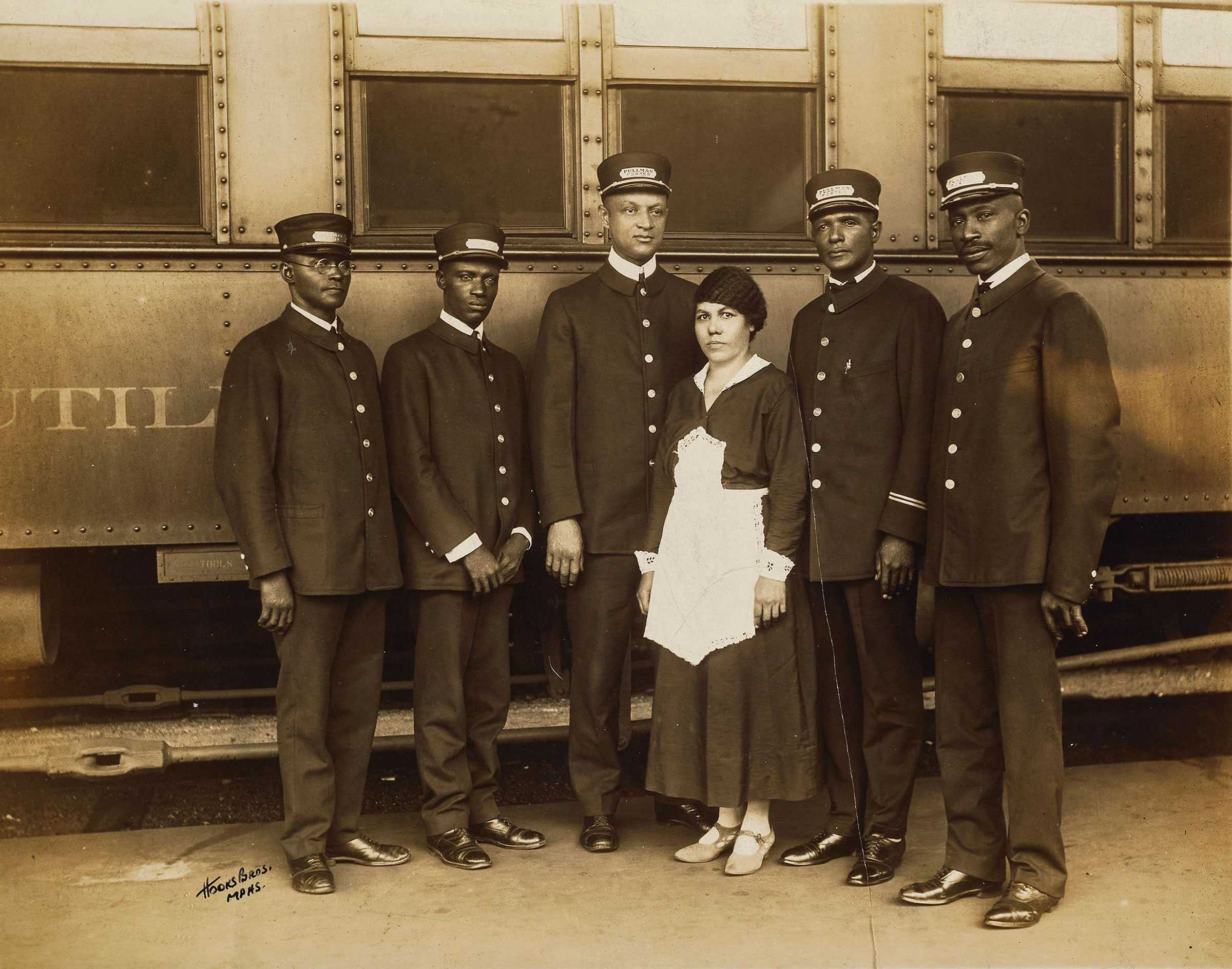
These people worked on trains that crisscrossed America. They carried passengers' suitcases, made beds in sleeping cars, served food and smiled even at those who treated them rudely. The job was grueling — shifts could last 20 hours — and pay was low. But porters saved every cent, dreaming of buying a house for their families or opening a small shop. And when they took their money to Seattle banks, they were told "no." Simply because their skin was dark.
When friends become a bank
What do you do when all the doors are shut? The porters found an answer: they created their own bank! In 1945 a group of railroad workers gathered and founded a credit union — like a big community piggy bank where everyone puts in a little money and people can borrow for important purchases.
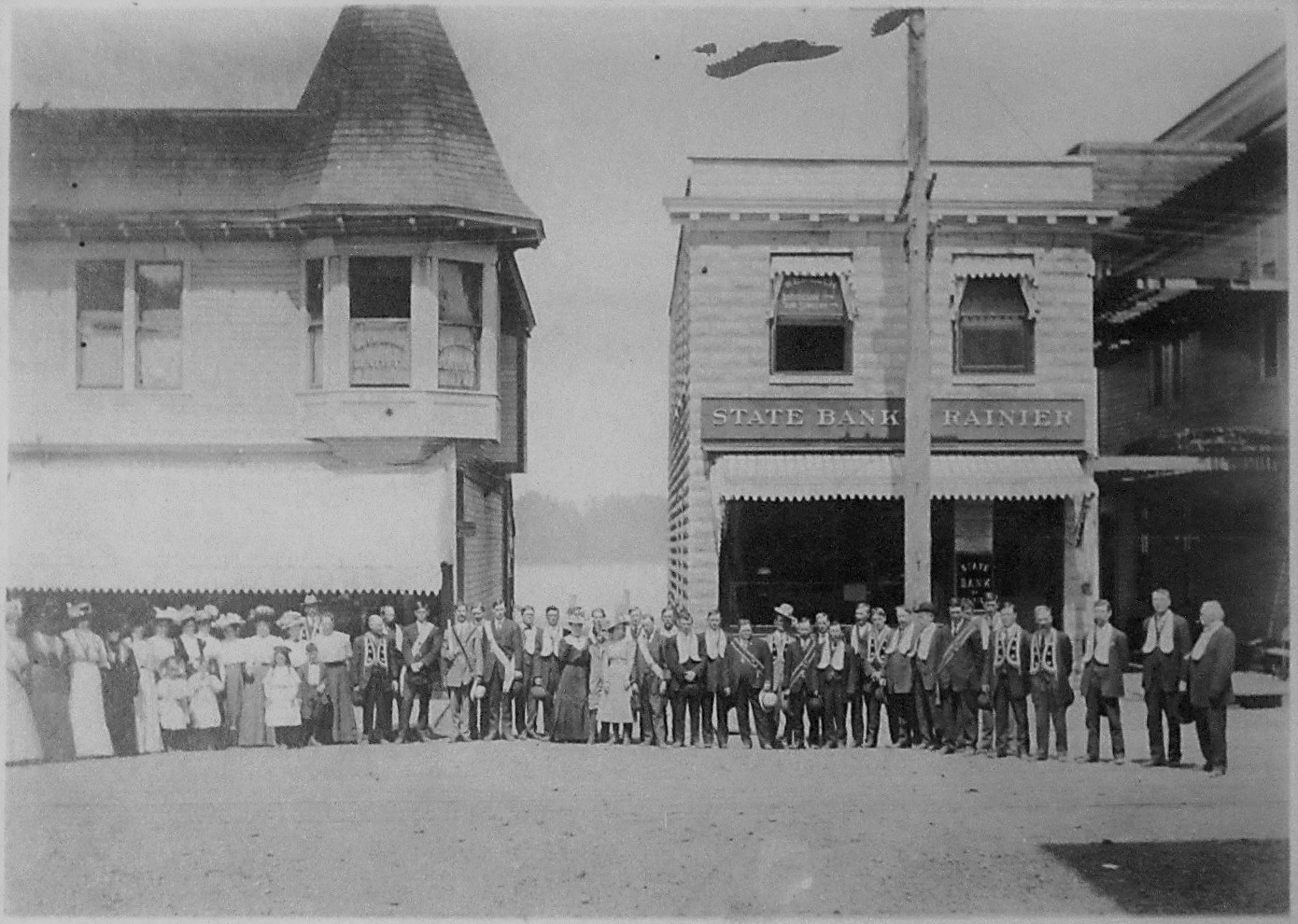
They called it Rainier Credit Union (named after the famous mountain near Seattle). Every porter contributed part of his wages, even if it was only a few dollars a month. It sounds simple, but it was a bold and clever move. They proved that if people trust one another and work together, they don't need permission from those who don't respect them.
Here's how it worked: if a porter named Mr. Johnson wanted to buy a house, he went to his credit union. There he sat with his colleagues — people who knew he was honest and hardworking. They lent him the money, and he paid it back slowly with a small extra. Those extra payments stayed in the piggy bank and helped the next person. A circle of mutual aid!
The neighborhood the porters built
Thanks to their credit union, porters began buying homes in central Seattle — a neighborhood known as the Central District. Over time a whole community of Black families formed there. They opened barbershops, restaurants serving traditional Southern food, jazz clubs, stores and churches.
The porters' children grew up in homes their parents owned — a huge achievement! Many of those children could go to college because their parents took out education loans from the union. Some became doctors, teachers, lawyers. One porter, Mr. Philip Burton, was so proud of his house on 23rd Avenue that every spring he planted new roses and invited neighbors over for lemonade on the porch.
This wasn't just buying houses. It was building a future that mainstream banks had tried to deny them.
When success becomes a problem
Now the sad part of the story. Today, nearly 80 years later, many of the homes the porters built and bought are disappearing. The Central District has changed. Big tech companies moved into Seattle, bringing wealthy workers, and housing prices soared.
Imagine: a house a porter bought for $5,000 in 1950 (it was his entire savings!) now sells for $800,000. Sounds great, right? But there's a catch. The grandchildren and great-grandchildren of those porters often can't afford the skyrocketing property taxes on such expensive homes. Or someone offers them a large sum to sell the house, and they accept because they need money now.
So Black families gradually leave the neighborhood that their grandparents built with their hands and labor. Restaurants close, jazz clubs disappear. New people arrive who don't know the history of these streets, who don't know about the porters' piggy bank and the dreams behind it.
Why this story matters today
The story of Seattle's porters teaches us several important lessons. First, when a system is unjust, people can create their own system. The porters didn't sit and complain — they acted. Their credit union still exists and helps people today, although it now has a different name and serves everyone regardless of skin color.
Second, decisions made today affect people's lives for many, many years. When banks refused porters loans in the 1940s, they weren't just denying credit — they were trying to take away a whole generation's chance to grow up in an owned home, attend good colleges, and become what they dreamed of.
Third, success can create new problems. The porters turned the Central District into a wonderful place to live, and that's precisely why wealthy people now want to move there and prices rise so that the porters' descendants can't stay.
Today in Seattle people debate: how to preserve the neighborhood's history? How to make sure the families who created this place can remain in it? Some propose laws to slow runaway price growth. Others want to build more affordable housing. Still others create museums and memorials so everyone knows who built this neighborhood and why it matters.
And the porters' piggy bank? It reminds us that sometimes the strongest decisions are made not in big offices but at kitchen tables, where ordinary people choose to help one another. And that true wealth is not just money in a bank, but homes full of families, streets full of neighbors, and a future full of opportunity.
/cdn.vox-cdn.com/uploads/chorus_image/image/61208013/Screen_20Shot_202015-10-01_20at_209.16.11_20PM.0.0.1500131236.0.jpeg)