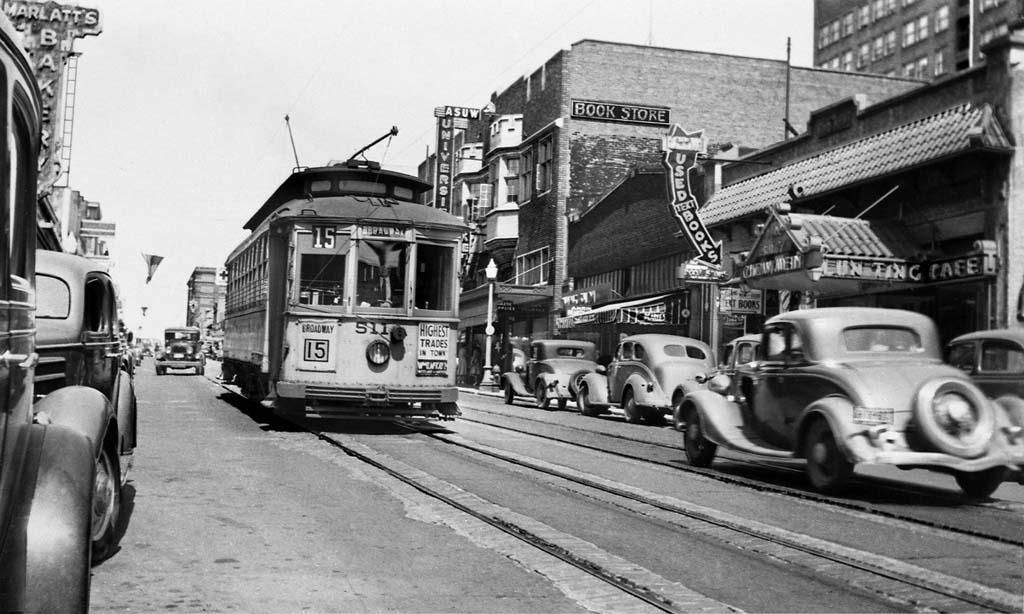
In the early 2000s, when adults in Seattle decided to build streetcars again, they found old black-and-white photographs in the city archive. In these shots, taken in the 1920s–1930s, the streets looked nothing like they do now. Tall trees grew along the streetcar tracks, creating shady corridors. Birds nested on poles with wires. People sat on benches in the shade, waiting for the streetcar. The city looked green. Modern planners looked at those photos, then went out onto the streets and were surprised: where had all those trees gone? It turned out that when the city got rid of streetcars in the 1940s, it accidentally got rid of the green oases the streetcars had created. This is a story about how sometimes we lose something important without noticing, and how old photographs can teach us to fix mistakes.
Green rivers that flowed along the rails
Seattle’s streetcar system appeared in the 1880s and by the 1930s had become a true web of routes. Streetcars ran almost everywhere: from the waterfront to residential neighborhoods on the hills. But streetcars brought not only transport. City authorities at the time understood that if trees were planted along the tracks they would provide shade for passengers waiting for the streetcar. Maples, elms, and chestnuts lined the routes like green sentinels.
These trees created an unexpected effect. Streetcar routes turned into “green corridors” — long strips of nature stretching across the city. Birds used these corridors as migration routes within the city. Squirrels hopped branch to branch without coming down to the ground. The air along the streetcar lines was a few degrees cooler than on neighboring streets. People didn’t even think about it — for them it was simply beautiful and convenient.
The streetcar’s electric poles also played their part. Birds, especially swallows, nested on them. The wires served as resting places for migratory birds. One ornithologist in 1935 wrote in the local paper that he had seen more than twenty bird species along the Broadway streetcar line in a single day. Streetcars accidentally created an ecological network that linked different parts of the city.
The day the city decided to be modern and lost its cool
In the 1940s cars became popular, and city authorities decided streetcars were old-fashioned. The future belonged to buses and cars! Streetcar tracks began to be removed. Rails were dug up, and electric poles dismantled. But along with them something else disappeared.
The trees along the old streetcar routes interfered with buses and cars. Their roots damaged the new asphalt. Branches made it difficult for taller buses to pass. So the trees were cut down too. Wide asphalt replaced them. Streets began to look “cleaner” and “more modern.” Adults rejoiced at the progress.
But the city began to change in subtle ways. In summer, streets that had once run streetcars became much hotter. Asphalt retained heat, and even in the evening it radiated warmth. Scientists call this the “heat island effect” — when parts of a city become hotter than the surrounding nature. Birds stopped coming to the former streetcar routes. Squirrels disappeared from many neighborhoods. People walked on those streets less often in summer — it was too hot.
The most interesting thing: no one connected these changes to the disappearance of streetcars. People thought the city was simply growing, that this was how it had to be. Sixty years passed before someone noticed the link.
A lesson from the past that helped build the future
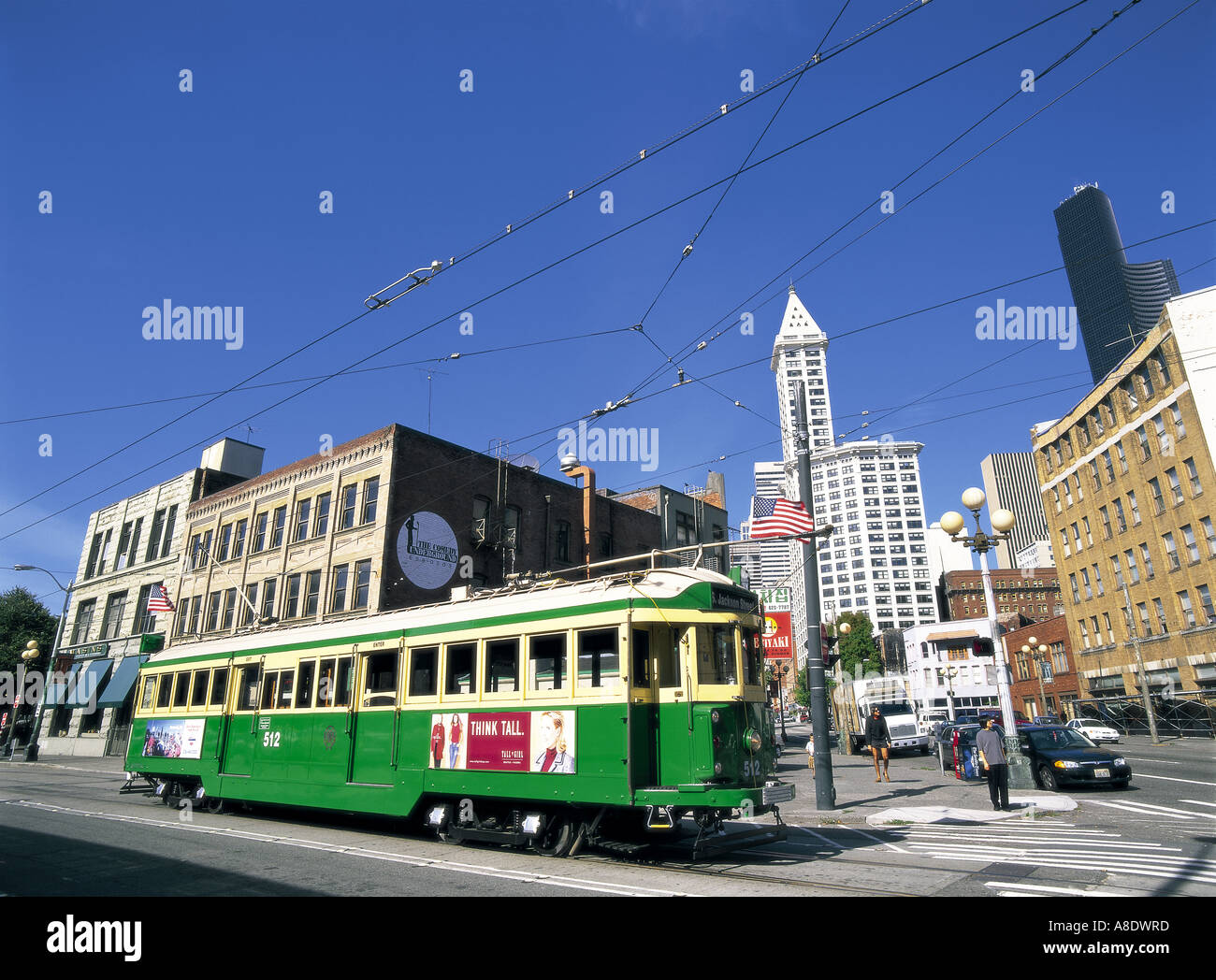
In 2005 Seattle decided to bring back streetcars. The city had grown, traffic jams had become terrible, and people remembered that streetcars are convenient. A team of planners began to study the history of the old streetcar system. That is when they found those photographs.
One planner, Margaret Chen, later said in an interview: “I looked at those 1920s images and couldn’t believe it. Jackson Street looked like a park with streetcar tracks down the middle. I went out to modern Jackson Street — and saw only gray asphalt. We had lost an entire layer of the city.”
The team began research. They compared temperatures on former streetcar routes with temperatures in areas where streetcars had never run. It turned out that the former streetcar streets were now 3–5 degrees Celsius hotter in summer than other streets of the same width. They examined old bird records and found that species diversity in the city center had declined by 40% after the streetcars were removed.
This discovery changed the whole project. New streetcar lines were planned not simply as transport, but as “green corridors.” More than 500 trees were planted along the tracks. Special birdhouses were added to the new poles. Between the rails, where possible, grass and low plants were planted instead of asphalt. Small “pocket parks” were created at stops.
The results appeared faster than expected. Just two years after the first new line opened, ornithologists noticed the return of some bird species. Summer temperatures along the streetcar routes were 2–3 degrees lower than on nearby streets. People began to use the stops as meeting places because they were pleasant to be in.
What streetcars taught us to remember
The story of Seattle’s streetcars shows an important thing: progress doesn’t always mean replacing the old with the new. Sometimes the old contains wisdom we don’t notice. The streetcars of the 1920s accidentally created an ecological system that made the city more comfortable. When they were removed in the name of “modernity,” that system was destroyed.
But the most valuable thing in this story isn’t the streetcars themselves. It’s the old photographs that helped people see what they had lost. Without those images, the new streetcars would have been built merely as transport. The photographs taught planners to look deeper, to notice the connections between transport, trees, birds, and people’s comfort.
Now, as cities worldwide think about climate change and heat, Seattle’s experience has become an example. It turns out transport can not only move people but also create small oases of nature in concrete jungles. Old streetcars did that by accident. New ones do it on purpose, because people learned to learn from the past.
Sometimes the most important lessons are hidden in old photographs sitting in archives, waiting for someone to look carefully. Seattle’s streetcars disappeared and returned, but they returned smarter — along with the trees that remember what a real city should look like.