Imagine: you walk to school and notice a broken streetlight on the corner. Then you see a huge pothole in the pavement. Then — trash piled at the park entrance. Usually you just walk past, right? But what if you wrote all that down in a notebook, showed it to grown-ups — and they fixed it? And what if there were hundreds of such notebooks, and they changed the whole city?
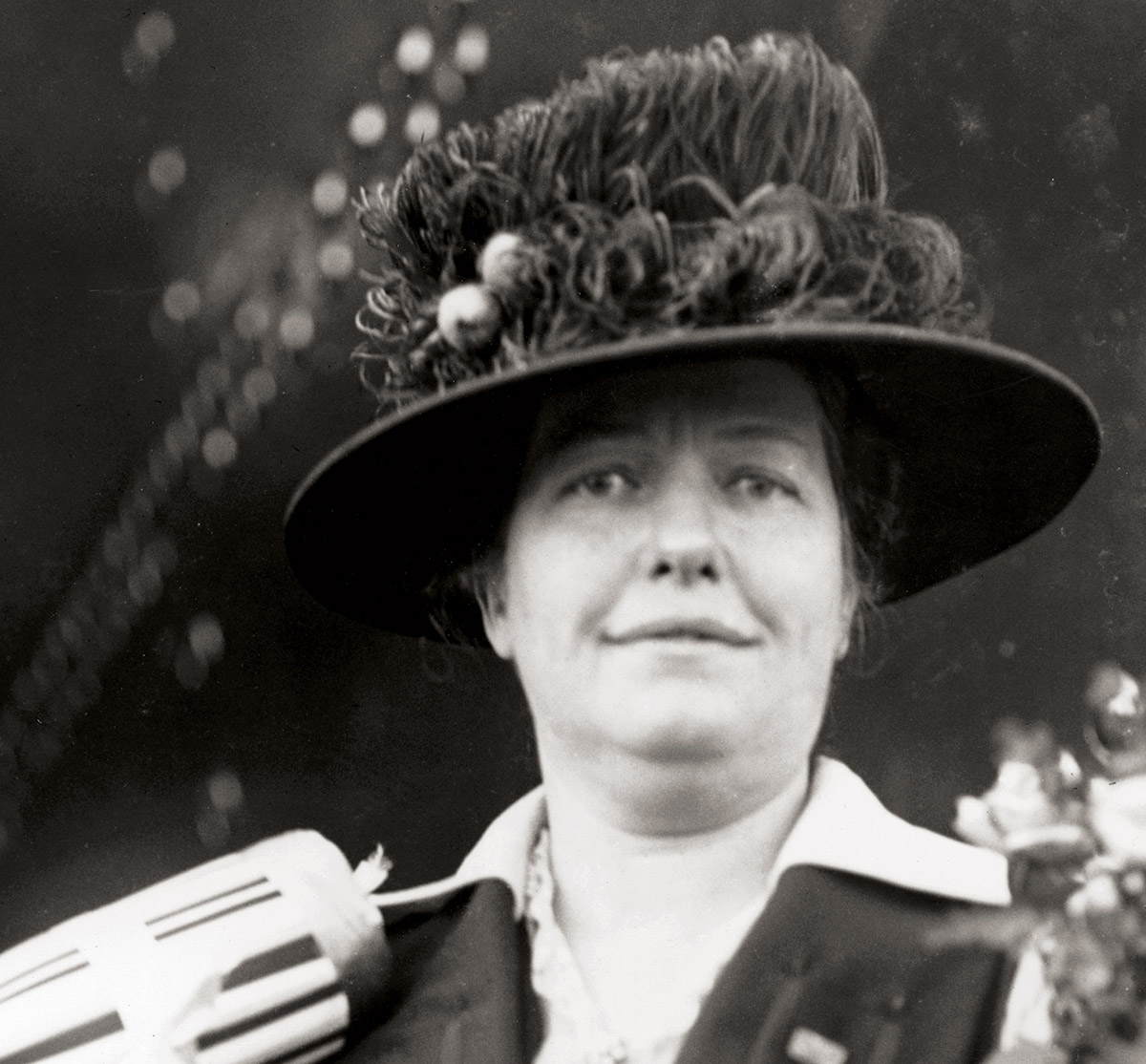
That’s exactly what women in Seattle did in the 1920s: they turned ordinary observations into political power. Their leader was Bertha Knight Landes — a history teacher who became the first woman mayor of a major American city. But she didn’t start with elections. She started with walks through the streets with a pencil in hand.
When cleaning up the city became a revolution
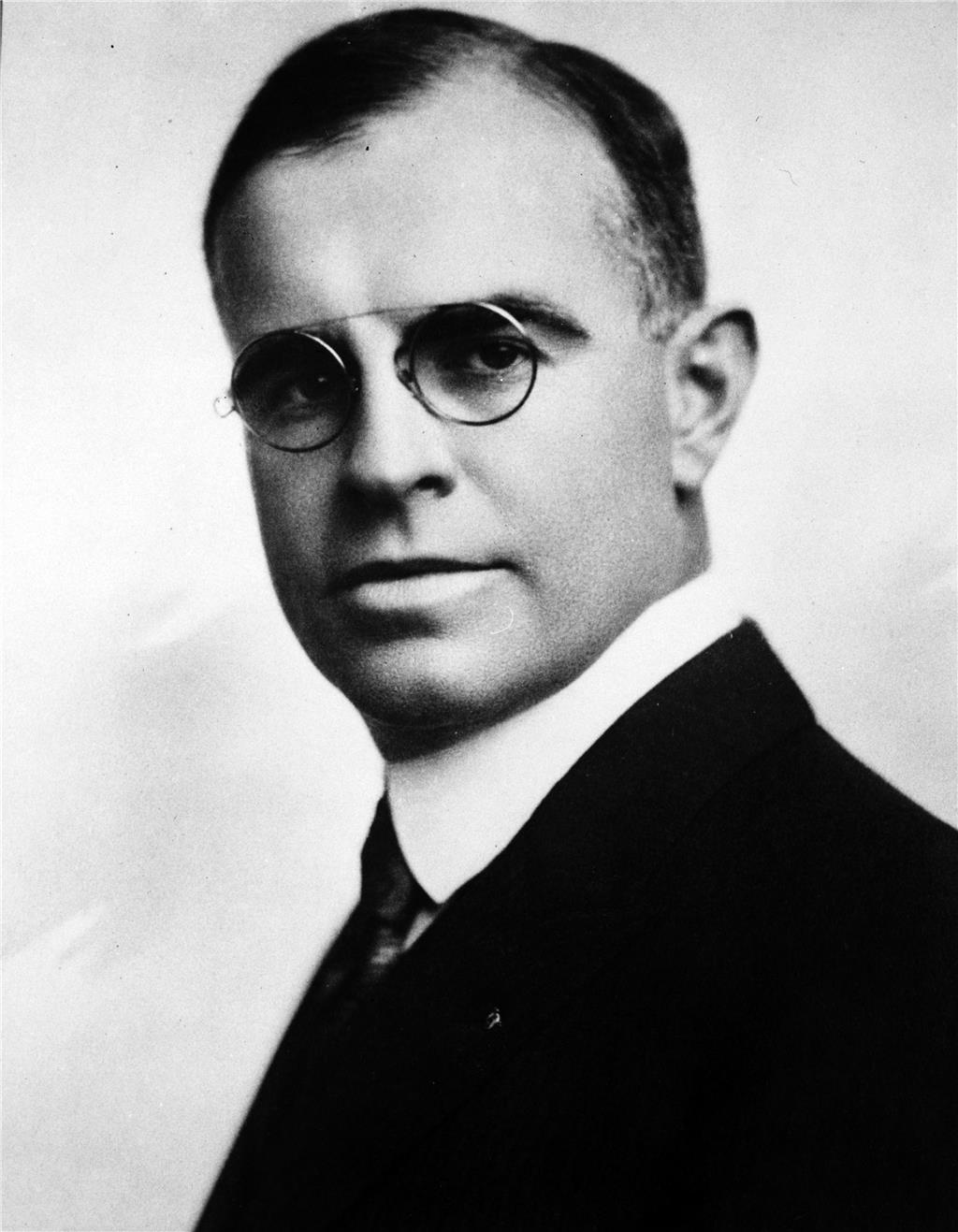
In 1924 Bertha Knight Landes was just a member of the Seattle City Council. Women had won the right to vote only four years earlier, and many male politicians still thought women had no place in city government. The mayor at the time, Edwin Brown, openly ignored corruption: police turned a blind eye to illegal bars (Prohibition was in effect across the U.S.), gambling thrived, and the streets were dirty and unsafe.
Bertha decided to act differently. She organized women’s clubs — hundreds of ordinary housewives, teachers, shop assistants — and gave them a simple task: walk their neighborhoods and record everything that was wrong. Every broken step. Every uncollected dump. Every dark alley without lighting. Every bar operating illegally.
Male politicians laughed. They called it “housekeeping in the streets” and said the women were merely playing at being important. But Bertha knew a secret: once you write a problem down, it can’t be ignored.
An army of notebooks vs. a mayor with a gun
The women brought their records to the city council. Thousands of pages of evidence: here’s the address of an illegal casino, here’s the name of the police officer covering it, here’s the street where garbage hasn’t been collected for three months. Bertha read these reports at council meetings, naming specific addresses and surnames.
Mayor Brown tried to stop her. Once he even came to a meeting with a pistol on his hip — to intimidate. But Bertha wasn’t afraid. She kept reading: “Saloon at 342 First Avenue. Open every night. Police Precinct No. 3 received 47 complaints this month. Not a single inspection.”
Newspapers began to write about it. Ordinary residents — men and women — started to support Bertha. Because she didn’t speak in vague terms about a “better future,” she spoke with concrete facts: “There’s a broken streetlight on your street. It’s been like that for two months. We wrote it down. Now it will be fixed.”
In 1926 Bertha Knight Landes won the mayoral election. She became the first woman mayor of a major U.S. city (Seattle’s population was about 300,000 then). But she won not because she was a woman, but because she had notebooks full of truth.
What she changed (and why it was hard)
As mayor, Bertha continued her method: record, verify, fix. She fired corrupt police officers. She shut down illegal bars and gambling houses. She hired Seattle’s first women police officers — not to chase criminals, but to help children and women in distress.
She also did something unexpected: she improved roads, parks, and lighting in poor neighborhoods. Previous mayors had mainly cared for the downtown area where wealthy people lived. Bertha remembered all those notebooks where women had documented the problems in their neighborhoods. She fixed them one by one.
But her term was difficult. Many men on the city council sabotaged her decisions. Newspapers that had once supported her began criticizing her for “harshness” (male mayors were rarely labeled too harsh for fighting corruption). In 1928 she lost the next election.
However, her method remained. The idea that ordinary people could observe their city and demand change no longer seemed laughable.
From notebooks to smartphones: how Bertha’s idea lives on today
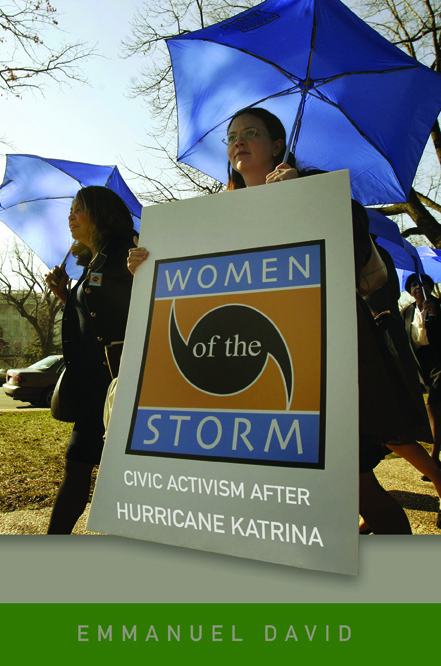
Today your phone (or your parents’ phone) probably has apps that do exactly what Bertha’s women’s clubs did. Apps like “Our City,” “Dobrodel,” or the international SeeClickFix let you photograph a broken road, a damaged swing, or an illegal dump — and send a complaint straight to city administration.
This is called “civic engagement” or “community oversight.” It’s a direct descendant of what Bertha invented: turning observation into action.
Here’s what’s striking: in the 1920s male politicians considered noticing city problems “women’s nonsense,” unworthy of serious politics. Today it’s the foundation of modern democracy. Cities around the world encourage residents to report problems. Some even pay rewards for useful reports.
Bertha Knight Landes didn’t invent the technology, but she invented the idea: your voice matters, even if you’re not a president or a minister. Even if you just noticed something wrong on your way to school.
Why her story matters to you
Bertha Knight Landes was mayor for only two years. She didn’t build skyscrapers or found companies. But she proved something important: change starts with paying attention.
When you notice injustice — at school, in the yard, in the city — you’ve already taken the first step. The second step is to record it (or photograph it, or tell someone). The third is to show it to those who can fix it. Bertha showed that these three simple steps can change an entire city.
Today, nearly a century later, women lead many of the world’s major cities. That seems normal now. But when Bertha ran for office, newspapers wrote that “a woman is physically incapable of running a city.” She proved the opposite — not with loud speeches, but with quiet entries in notebooks.
So next time you see something that needs fixing, remember: you have a superpower a history teacher from Seattle discovered. The superpower to notice, record, and demand change. Sometimes a notebook is stronger than a gun.