Imagine you wake up one morning and the house across the street—the one with the pretty porch and windows that look like kind eyes—is gone. In its place stands a huge box of glass and concrete that blocks the sun from your yard. This is what began happening in Seattle neighborhoods in the early 2000s. Old cozy houses, many a century old, vanished one by one as if someone were erasing them with an eraser. But the people who lived in those neighborhoods refused to just watch their world disappear. They came up with a way to save their homes that was so clever other cities across America have since copied it.
Houses with a secret: what "Craftsman bungalows" are and why they’re special
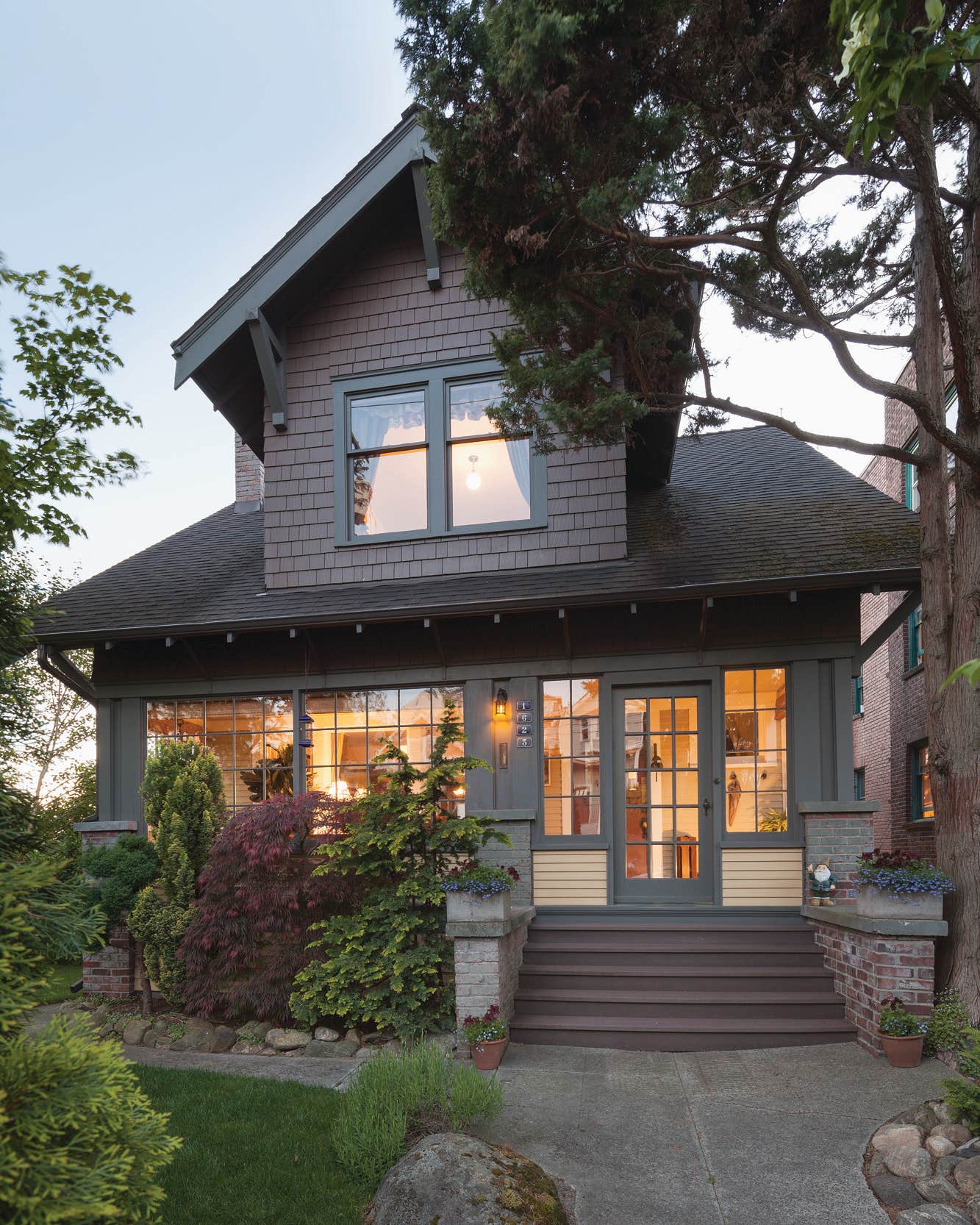
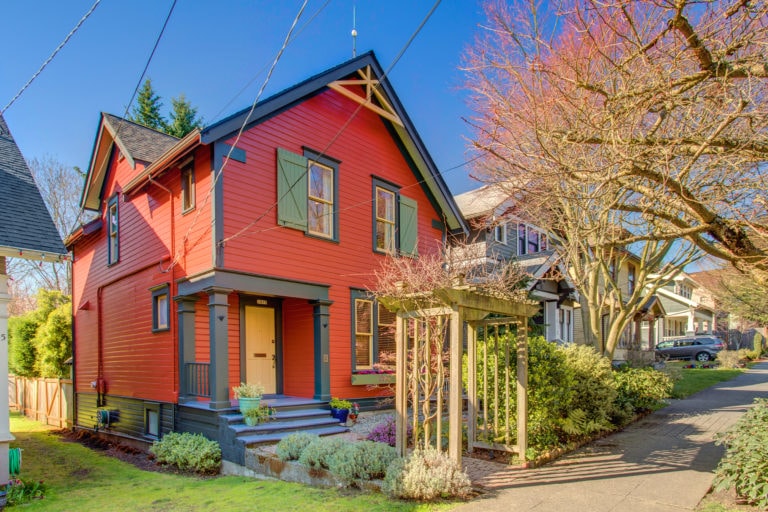
In Seattle there are entire neighborhoods built with houses called "Craftsman bungalows"—also known as "bungalow craftsman" or "craftsman homes." They were built between 1900 and 1930 by ordinary people: carpenters, shipwrights, joiners. These houses are nothing like modern boxes. They have wide porches where people can sit and talk to neighbors. Their roofs are low and overhanging, like wide-brimmed hats. Windows are divided into small panes, and inside you can see wooden beams, left exposed on purpose because the builders were proud of their work.
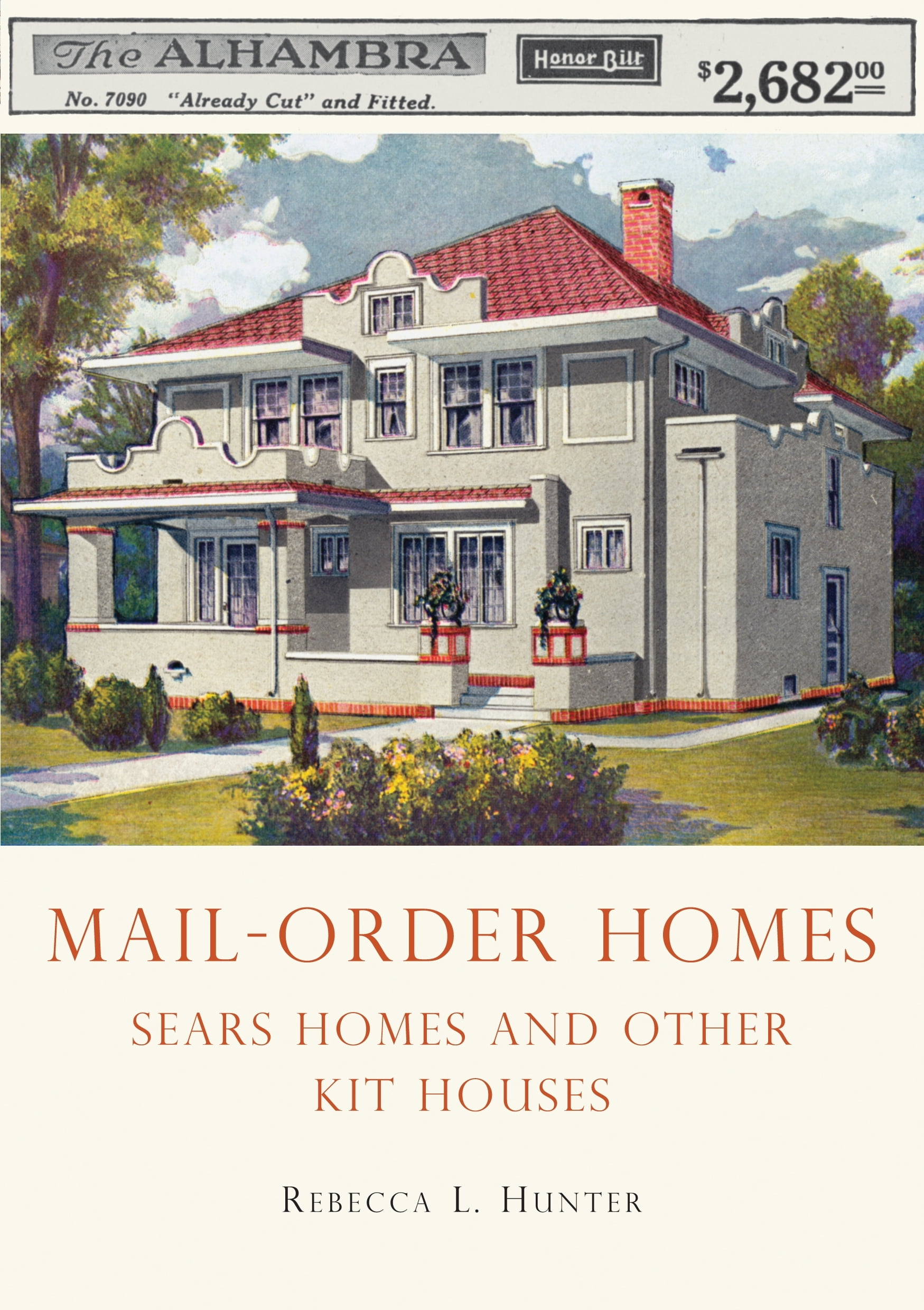
The most interesting thing about these houses is that they were built for ordinary families, not the wealthy. A working man could buy one of these houses or even order it from a catalog! Sears (yes, that store) sold house kits by mail. A train would arrive with numbered boards, and a family would assemble their house like a kit. Many of those houses still stand in Seattle today.
These houses were built to last. Foundations are real stone. Walls are thick planks from old-growth timber that grew for centuries (timber like that is now nearly gone). Every window and every door was made by hand. So each house has small differences—like a person’s handwriting.
When neighbors began disappearing along with the houses
In the 2000s Seattle experienced a building boom. The city grew, with many newcomers working in tech companies. Land became very valuable. Developers realized they could buy an old small house on a large lot, tear it down, and build a huge new house—three or four times larger. Such a house could sell for a million dollars or more.
The problem was the new houses were built very quickly and all looked the same. People nicknamed them "monster boxes." They filled nearly the entire lot, from fence to fence. They had no porch—only a two-car garage facing the street. They were so tall that neighboring houses were left in shadow. And most importantly—they were completely characterless. One Craftsman bungalow neighborhood after another turned into streets of identical boxes.
Residents began to notice that when an old house disappeared, something else vanished too. Longtime neighbors who had lived there for years were gone. New owners of the big houses rarely sat on a porch—because there wasn’t one. They drove into a garage and closed the door. Neighborhoods became quieter, but not in a good way. They felt empty, even when people lived there.
How kids and adults became detectives of their own streets
In Wallingford (a part of Seattle) residents decided to take action. They formed a group called the Wallingford Community Council. But instead of just complaining, they came up with a smart plan: they began researching the history of every old house in their neighborhood.
This is where the most interesting part of the story begins. Children joined the effort. Schoolkids were given assignments to research the houses on their streets. They went to the city archives—a special place where old documents are kept. There they found original house blueprints drawn a hundred years ago. They learned the names of the people who built the houses. They found old photographs and compared them to how the houses looked now.
One girl named Emily (she was 11) researched her own house. She discovered it had been built in 1912 by a shipbuilder named Olaf Peterson, an immigrant from Norway. He used a special method of joining wooden beams he had learned while building ships. Emily even found his descendants living in another state; they sent her photos of Olaf with his tools. When Emily presented all this at a city council meeting, even adult officials were moved.
Neighbors created a neighborhood map marking every Craftsman bungalow. They photographed every house from multiple angles. They recorded stories from longtime residents who remembered how the houses looked fifty years ago. The result was a real neighborhood encyclopedia—a thick book with hundreds of pages.
Rules that let houses stay themselves
Armed with their research, residents went to city hall. They didn’t ask to ban all new construction—they understood the city needed to grow. Instead they proposed a smart solution: create special rules for neighborhoods with historic houses.
The rules work roughly like this. If you want to tear down an old Craftsman bungalow and build a new house, you can—but the new house must respect its neighbors. It can’t be too tall—there’s a limit so it won’t block sunlight. It must set back from lot lines, leaving room for trees and yards. And most interestingly: it should include certain elements of the old homes—like a porch or divided windows.
There’s another option: if you preserve and carefully renovate the old house, the city gives you incentives. For example, you might be allowed to expand a little or build a small accessory dwelling unit in the backyard. Preserving the old becomes profitable, not just the right thing to do.
Seattle adopted these rules in 2010 for several neighborhoods. The results were striking. In Wallingford, over the next ten years 60% fewer old houses were demolished than in the previous decade. At the same time the neighborhood continued to grow—just more thoughtfully. New homes were built to fit the character of the street rather than destroy it.
Lessons for other cities and for us
Seattle’s story became an example for other American cities. Portland, Austin, and Denver now have similar rules. But the most important lesson isn’t in the rules themselves—it’s in how they were created.
Seattle residents didn’t just say, "We’re against change." They said, "We’re for change that respects the past." They didn’t just shout, "Save our houses!" They came with facts, stories, and photos. They showed that each old house is not just wood and nails but part of the city’s history—the story of the families who lived there, the craftsmen who built it.
And most important: they showed that children can participate in solving grown-up problems. When Emily told the story of the shipbuilder Olaf who built her house, it was more convincing than any adult politician’s speech. Because she wasn’t talking about "preserving architectural heritage"—she was talking about a real person who, a hundred years ago, with his own hands made something beautiful that still serves people today.
Today in Seattle there are neighborhoods where old Craftsman bungalows stand next to new houses and they don’t fight—they complement each other. People sit on porches talking to neighbors. Children play under the same trees planted a hundred years ago. And new residents who buy an old house get a history along with it—names of former owners, archive photos, neighbors’ stories.
This story teaches an important thing: the places where we live matter not just because they have roofs and walls. They matter because stories live in them. And when we protect old houses, we’re really protecting the memory of the people who lived before us and creating a bridge between past and future. That’s what turns a street from a set of buildings into a real home for a whole community.