Imagine a very rich man comes into your block and says, "I'll tear down all these houses and build what I want here." What would you do? That's how residents of Seattle's South Lake Union felt in the early 2000s, when billionaire Paul Allen decided to turn their quiet neighborhood into a city of the future. But these neighbors didn't just sit and mourn. They took colored pencils, large sheets of paper, and drew their own map — a map of how they wanted their home to be.
A neighborhood of artists and dreamers
Before Amazon arrived in South Lake Union, it was a very different place. Old brick warehouses that once stored fish and timber had become artists' studios. Small houses were home to families who could afford modest rent. Tiny cafes lined the streets where everyone knew each other by name. The neighborhood was a little worn but cozy — like a beloved old toy.
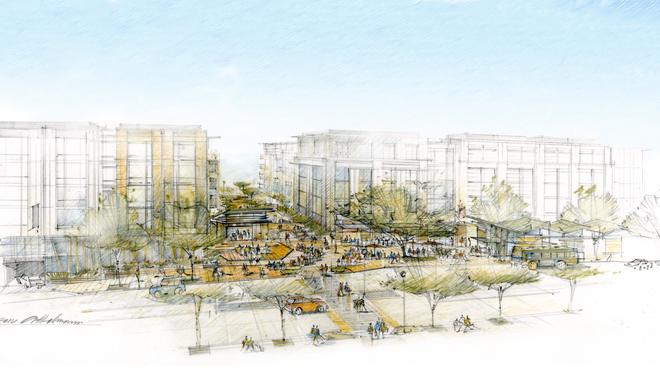
When Paul Allen, one of Microsoft's founders, bought huge parcels of land in the area, many people were scared. He wanted to build tall shiny buildings, wide roads, and turn the place into a tech hub. His architects drew attractive images of glass skyscrapers, but those pictures left no room for small cafes, art studios, or affordable housing.
The people's plan: when neighbors became architects
So a group of residents decided: "If they have a plan, we'll have one too!" They called it the People's Plan. Men and women, teachers and artists, small shop owners and moms and dads gathered in the church hall in the evenings. They spread out huge maps of the neighborhood on the floor and began to dream out loud.
"What if there were a park here where kids could play?" one neighbor said, sticking a green square on the map. "Let's leave space for small shops so people can start their own businesses!" another added. They cut small cardboard buildings, drew trees with colored pencils, and made street models out of boxes. It looked like a giant school project, except the adults worked on it with the same enthusiasm as children.
Especially active was a group of women — owners of local shops and cafes. They understood that if the neighborhood became too expensive, they'd have to leave. One of them, Judy, owner of a small bookstore, would come every evening after work to draw streets where new offices still left room for ordinary people. "We have the right to dream about the future of our home too," she said.
Battle of the maps: when two dreams met
In the spring of 2004 something surprising happened. At a large city meeting, Paul Allen's architects showed their glossy computer presentations of tall buildings. Then the neighbors unfolded their hand-drawn maps and cardboard models. Their plan was simpler, but it had something important — it felt like the life of real people.
Of course, the billionaire had more money and power. His plan largely won. But something interesting happened: city officials looked at the People's Plan and said, "You know, some of these ideas are really good!"
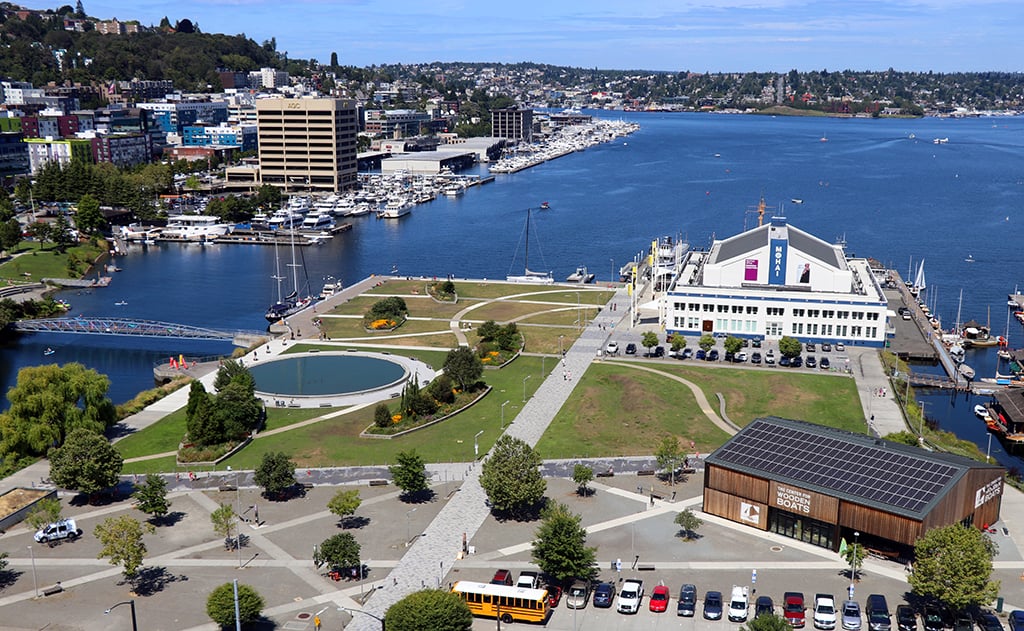
Several important things from the neighbors' ideas became reality. First, a streetcar appeared in the neighborhood — exactly what residents had asked for so people wouldn't need a car. Second, the company was required to build several parks, including a lovely park by the lake. Third, the new buildings were required to have ground floors for shops and cafes, not just offices. And most importantly — some funds were directed to build affordable housing so not every apartment would cost millions.
Judy eventually had to close her bookstore — the rent became too high. But when she shut the door for the last time, she smiled as she looked at the new park across the street. "We didn't win everything, but we won something," she said.
A lesson for all cities
The story of South Lake Union teaches an important lesson: even when it seems you don't have power to change something big, your voice matters. Those neighbors with their colored pencils and cardboard boxes didn't stop the billionaire's huge project. But they changed it. They proved that ordinary people's dreams are no less important than the plans of the wealthy.
Today thousands of people work in Amazon offices in South Lake Union. The neighborhood has become modern and expensive. But when those people step out for lunch, walk in the park, ride the streetcar, or pop into a small cafe on the ground floor of a high-rise, they use what ordinary neighbors fought for with their homemade maps.
This story shows: if you see things changing in a way you think is wrong, don't stay silent. Take your pencils, draw your dream, show it to others. Maybe you won't get everything you want. But if you don't try, you certainly won't get anything. And sometimes even a small victory is a big deal.