Imagine that in your city there were rules about where your family could live, which store you could enter, which school you could attend — and all those rules depended only on the color of your skin. Sounds unbelievably unfair, right? But that’s how people in Seattle lived less than a century ago. And out of that injustice came one of America’s most remarkable musical stories — a story that still teaches us important things today.
The street where the rules didn’t apply
In the 1920s–1940s, Seattle (like many other American cities) had strict segregation rules. Black families were allowed to buy homes and open businesses only in one neighborhood — around Jackson Street, in the heart of the city. Banks refused to give them mortgages in other neighborhoods. Property owners wrote in contracts: “Not to be sold to colored persons.” This was called redlining — literally drawing red lines on city maps around areas where Black people could not live.
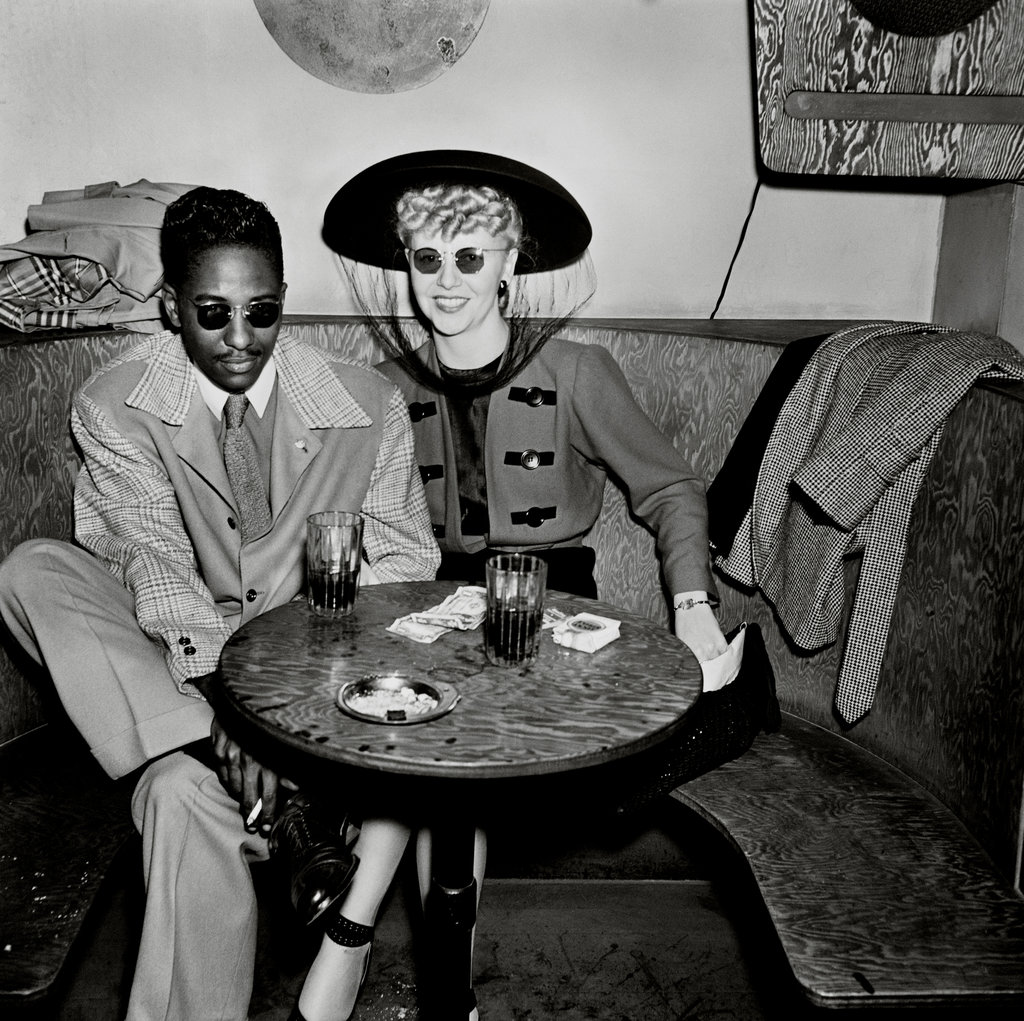
But something surprising happened on Jackson Street. Because it was the only neighborhood where Black entrepreneurs could open businesses, jazz clubs, restaurants, and hotels sprang up there. And because white authorities barely controlled what happened in the “Black neighborhood,” other stupid rules of the time were often ignored. For example, the law forbade white and Black musicians from playing together on the same stage. But in the Jackson Street clubs — the “Black and Tan Club,” the “Washington Social Club” — people turned a blind eye.
What happened was this: injustice created a place where people of different skin colors could meet and make music together. Japanese, Filipino, Black, and white musicians sat down at the same instruments and played jazz until dawn. It was like a small island of freedom in an ocean of unfair rules.
The boy who became a legend
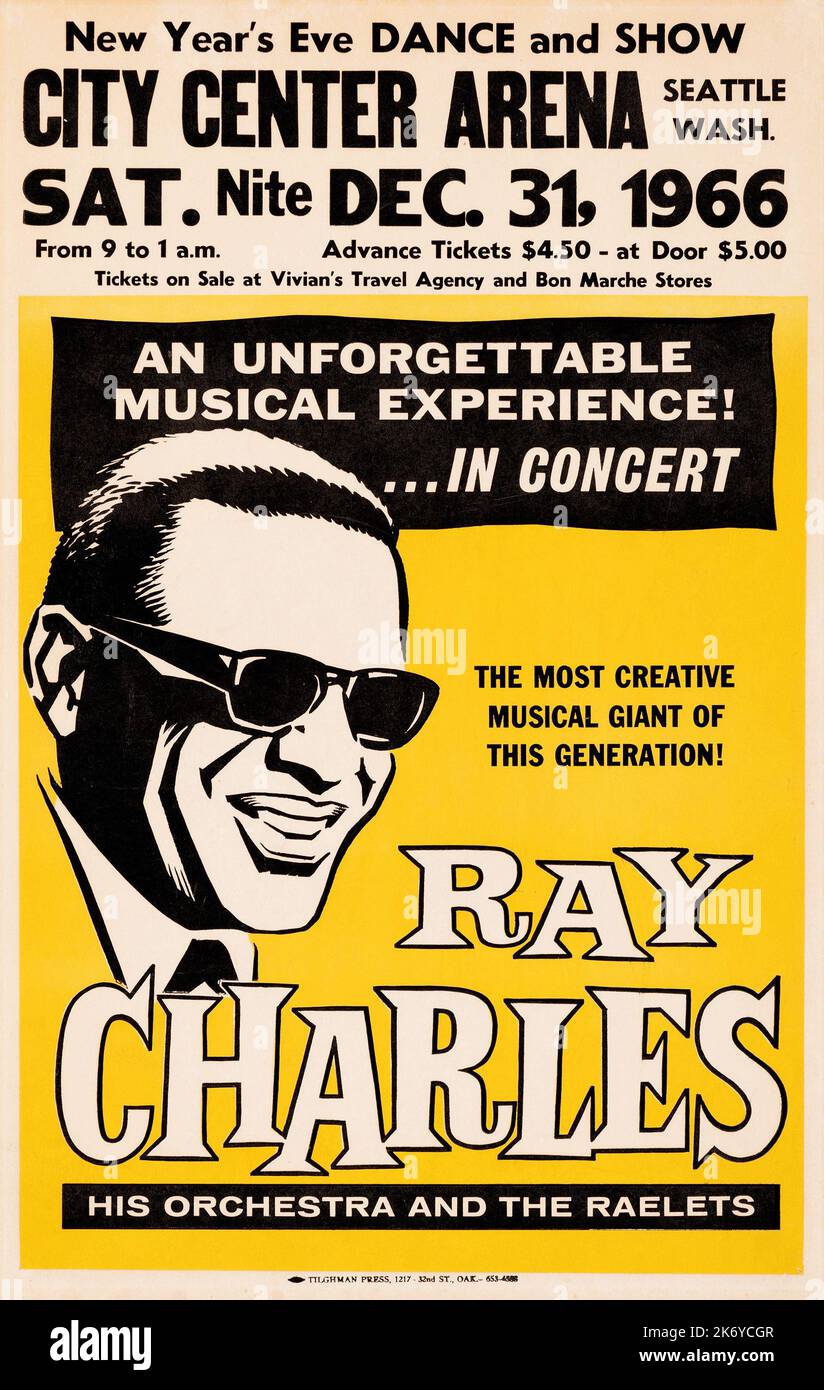
In the 1940s a teenager named Ray Charles Robinson came to one of those clubs. He was only 17, had recently moved to Seattle from Florida, and had been blind since childhood. Ray was so poor that sometimes he slept right in the club after performances. But on Jackson Street he learned to play real jazz.
Older musicians — Bumps Blackwell, Ernestine Anderson, Quincy Jones (who also grew up in Seattle) — showed young Ray how to improvise, how to feel the rhythm, how to put soul into every note. Ray Charles later became one of America’s greatest musicians, a man who changed music forever. And he always said that it was Seattle, and Jackson Street in particular, that gave him his start.
I think this shows something important: even in the toughest circumstances people can create beauty. But that doesn’t mean the injustice was good — injustice is never good.
What happened next: a lesson not to forget
In the 1950s–1960s, Seattle authorities decided to “renew” the city center. They called it urban renewal. Sounds positive, right? But in practice it meant demolishing whole blocks in the Jackson Street area. Legendary jazz clubs were torn down by bulldozers. Families who had lived there for decades were displaced. In place of the vibrant, musical neighborhood they built office buildings and parking lots.
The official reason was: “We are modernizing the city.” But many historians today tell the truth: this was a continuation of the same racial injustice. As soon as the neighborhood became valuable (because it was downtown), officials found a way to take it away from the Black community.
Quincy Jones, the famous producer who grew up in the neighborhood, later said: “They destroyed the heart of our community. It was a place where we were family.”
Today there are commemorative plaques where old Jackson Street once stood. There is a small jazz museum. But that magic, that living community, is gone. Many families never managed to buy homes in other neighborhoods — because decades of segregation meant they had not been able to accumulate enough wealth, and new homes became too expensive.
Why this story matters today
It may seem like ancient history. But here’s the thing: decisions made 70–80 years ago still shape how Seattle looks today. In neighborhoods that once housed Black families there are fewer parks, worse schools, fewer street trees — because the city failed to invest in them for decades. And families displaced in the 1960s lost their homes — and a home is not just a building, it’s the ability to build wealth and pass it to children and grandchildren.
It’s like a game where some players were not allowed to collect resources for 50 moves, and then were told, “Okay, now the rules are fair for everyone!” But those left behind can no longer catch up.
The story of jazz on Jackson Street teaches us a few things. First, people are incredibly resilient and creative — they can make something beautiful even when everything is against them. Second, injustice has long-term consequences — it doesn’t disappear just because laws change. Third, it is important to remember history, even when it is uncomfortable and sad.
Today there are people in Seattle trying to repair the mistakes of the past. They create assistance programs for families harmed by segregation. They preserve the memory of the great Jackson Street musicians. They teach children (people like you) this history — so we never repeat the same mistakes.
The music that was born on Jackson Street was beautiful. But it would have been even more beautiful if it had been born from freedom, not from injustice. And that is probably the most important lesson: we should not wait for something good to come out of hardship. We should build justice now — so that every person, regardless of skin color, has the chance to live where they want, learn where they want, and play music where they want.