Imagine that every time you drink tap water you could get sick. Seriously sick — so sick you’d be bedridden for weeks with a high fever. And the doctors in your city don’t know how to cure you. That’s how children in Seattle lived in the late 1800s. Their water was filthy, and people were dying from it.
But then something remarkable happened. Ordinary city residents — engineers, housewives, shopkeepers — came up with a solution no one in America had tried before. They decided to protect an entire river and all the forest around it. Forever. This is the story of how people who didn’t even have the right to vote changed the future of their city.
When water was the enemy
In the 1880s Seattle was a young, fast-growing city. People came here from all over the country dreaming of a new life. But the city had a terrible problem: water from Lake Washington and local wells was contaminated. Waste from sawmills, sewage, and garbage flowed into it.
Every summer the city suffered typhoid epidemics — a dangerous disease spread through dirty water. Children suffered the most. Imagine: you drink a glass of water and a week later you can’t get out of bed. Your temperature rises to 104°F, your head pounds, and no medicines help because many hadn’t been invented yet.
Parents were desperate. Mothers boiled water, but it didn’t always help. Doctors threw up their hands. City officials said, “There’s no money for a new water system. Please be patient.”
But one group of people decided they couldn’t be patient anymore.
The engineer with a crazy idea and the women who backed him
In 1892 an engineer named Reginald Thomson arrived in Seattle. He was young, energetic, and very stubborn. Thomson studied the problem and told city officials what they didn’t want to hear: “We need water from the Cedar River. It flows in the mountains, away from the city, and it’s clean.”
But Thomson went further. He proposed something revolutionary: “We must buy the entire forest around that river. We must forbid any activity there — no logging, no farms, no houses. Only forest and river. Otherwise, within a few years that water will be polluted too.”
Many laughed at him. Protect an entire forest? That would be thousands of acres! It would cost a fortune! Why does a city need so much “empty” land?
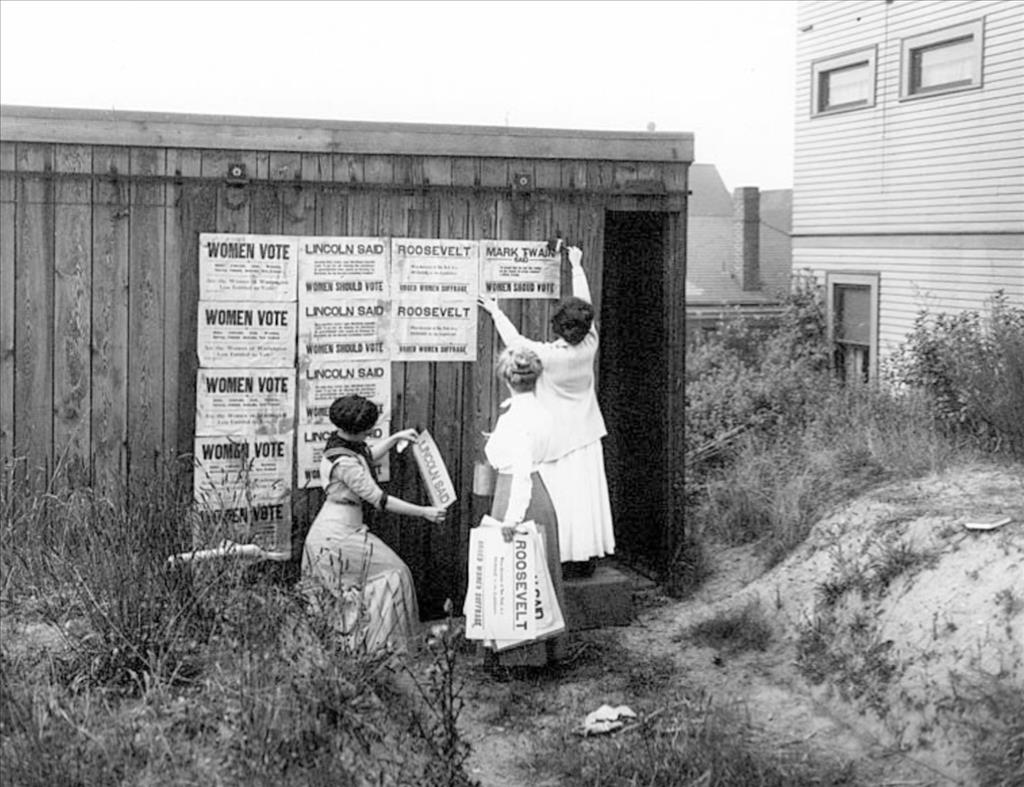
But Thomson was supported by ordinary citizens. Especially active were women — mothers tired of burying their children because of dirty water. In those days women in America didn’t have the right to vote (they gained that right only in 1920). But they could speak, write letters, and organize meetings.
Seattle’s women’s clubs — groups of educated city women who discussed civic issues — launched a campaign. They went door to door explaining to neighbors why clean water mattered more than money. They wrote newspaper articles. They held public meetings where they told stories about children lost to disease.
One activist, Mrs. Sarah Yesler, wrote in the paper: “We cannot vote, but we can protect our children. Clean water is not a luxury. It is every child’s right.”
The fight for the forest
The struggle lasted nearly a decade. There were many opponents. Logging companies were furious — they wanted to cut the trees in that forest. Farmers protested — they wanted to use the land for grazing. Some politicians said the city was wasting money.
But supporters of protecting the river didn’t give up. They explained: “If we cut the forest, rain will wash soil straight into the river. The water will become cloudy and dirty. If there are farms, animal waste will get into the water. If houses are built, sewage will pollute the river.”
Thomson and his allies used scientific arguments. They showed how in other cities polluted water had led to disease. They invited doctors to explain the link between clean water and health.
Finally, in 1901 the city decided to begin building a water pipeline from the Cedar River. And in 1905 Seattle began buying land around the river to create a protected zone.
It was a revolutionary step. Seattle became one of the first cities in America to protect an entire watershed — the whole area from which water drains into the river.
What happened in the end
Today, more than a century later, the Cedar River watershed covers nearly 91,000 acres. It’s a vast, forested reserve in the Cascade Mountains. You can’t just walk in. There are no roads, houses, or farms. Only forest, river, and wildlife.
Water from the Cedar River reaches Seattle with almost no treatment — it’s that clean. It’s one of the highest-quality municipal water systems in the United States. Nearly 1.5 million people drink that water every day.
That protected forest also became home to bears, deer, eagles, and hundreds of other species. Scientists visit to study what an intact, untouched forest looks like.
All of this happened because ordinary people — an engineer who refused to give up, mothers who couldn’t vote but could fight, doctors, teachers, shopkeepers — decided the future mattered more than short-term profit.
A lesson that matters today
The story of protecting the Cedar River teaches us several important things.
First, ordinary people can change the world. You don’t need to be a president or a millionaire to protect nature. Seattle’s women couldn’t even vote, but they changed their city’s future.
Second, sometimes the wisest solution is to leave nature alone. Seattle residents understood: the best way to get clean water is not to build huge filters but simply not to pollute it. The forest cleans the water itself if it’s left undisturbed.
Third, protecting nature is protecting people. When we protect rivers and forests, we protect our health and the health of our children and grandchildren.
Today, when you turn on the tap in Seattle and drink cold, clean water, you are drinking the result of decisions made more than a century ago. They gave you that sip of clean water. They preserved a forest you may never see but that works for you every day.
And you know what’s most amazing? You can be part of such a story too. Maybe in your city there’s a river, park, or forest that needs protection. Maybe adults say, “It’s too expensive” or “It’s impossible.” But Seattle’s story shows that when people unite and don’t give up, the impossible becomes possible.
Sometimes the biggest changes start with a simple question: “What if we try doing this differently?” That’s the question Seattle residents asked. And the answer runs from the taps of their city for more than a hundred years.