Imagine that a second city suddenly appears in your town — built from old boards, tin sheets, and cardboard boxes. And this city had its own mayor, its own rules, and even tours for curious visitors. This is not a fairy tale — it’s the real story of Hooverville in Seattle, where during the Great Depression thousands of people who lost jobs and homes created an astonishing community that showed: even when you have almost nothing, you can organize life with fair rules.
A city that sprang up on a vacant lot overnight
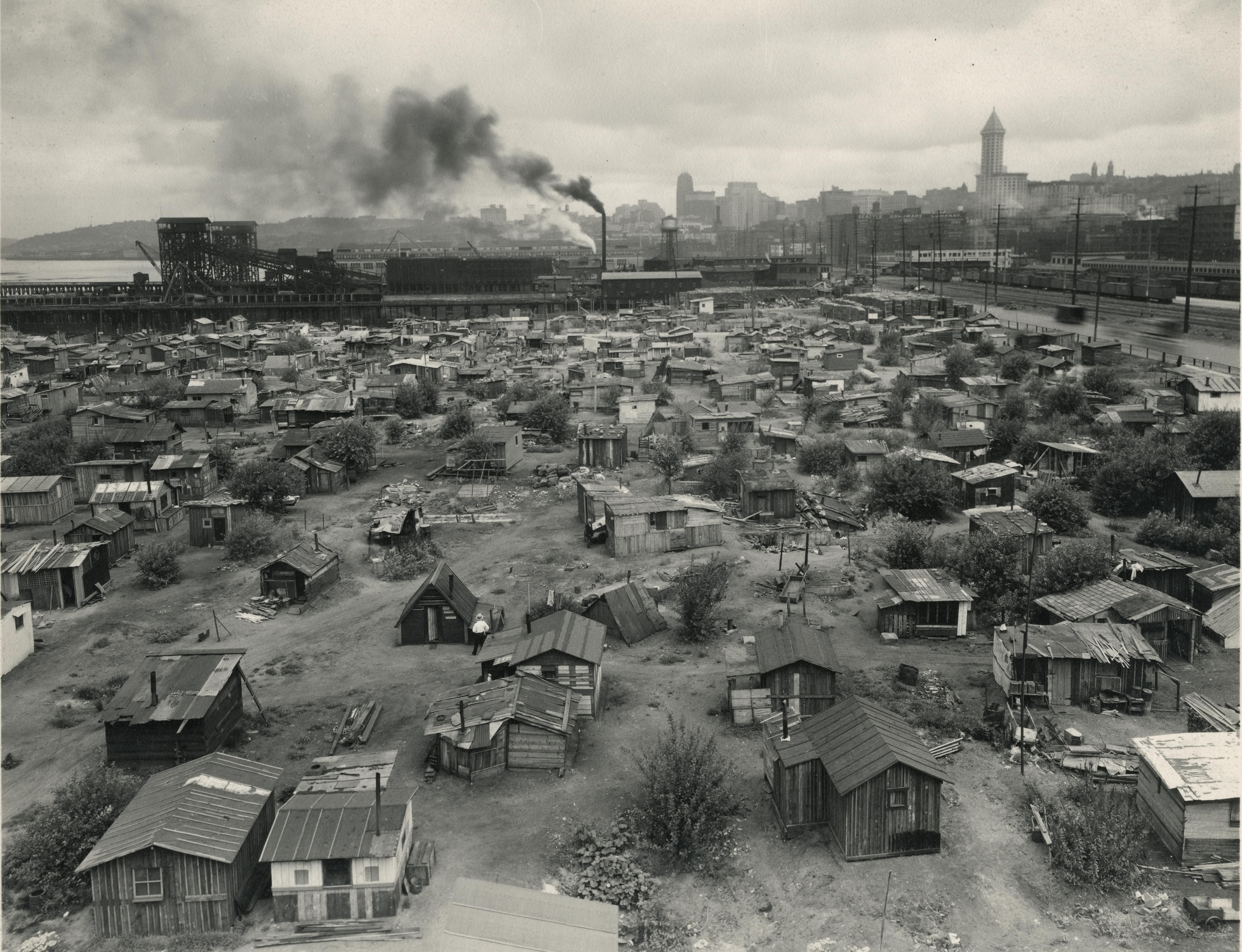
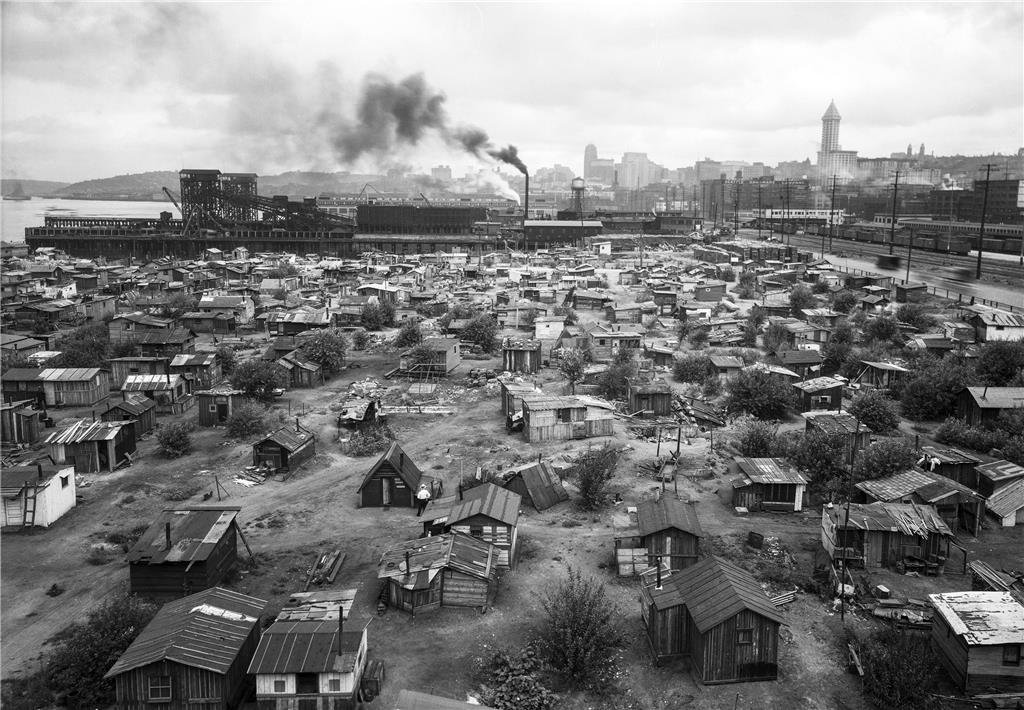
In 1931 Seattle experienced what was happening across America: factories closed, shops couldn’t sell goods, people lost their jobs. Families that had lived in ordinary houses the day before suddenly found themselves on the street without money or a roof. But people didn’t give up. On the shore of Elliott Bay, on a vacant lot that nobody wanted, they began to build their own city.
They called the city Hooverville — after President Herbert Hoover, whom many blamed for the economic crisis. Such "Hoovervilles" appeared in many American cities, but the Seattle one was special. By 1934 about a thousand people lived there, and it was not just a chaotic homeless camp — it was a real community with its own laws.
Homes were built from whatever could be found: old boards from wrecked buildings, tin sheets, cardboard from boxes, even tarps from trucks. Some shacks measured only two by three meters, but their owners tried to make them cozy. One resident even built a two-story house from discarded materials, and neighbors considered him a real architect.
Mayor Jesse Jackson and rules of fairness
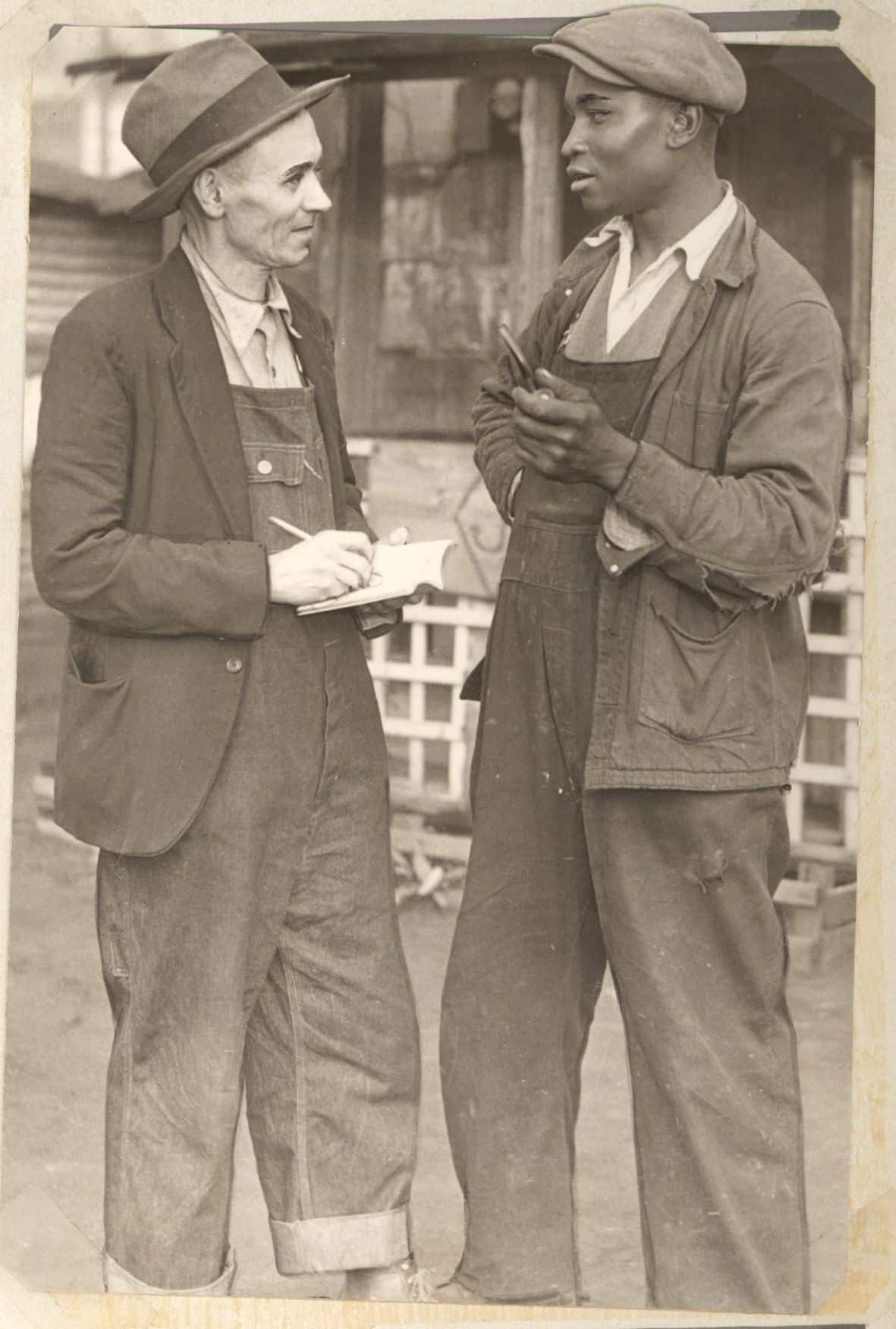
The most surprising thing about Hooverville was that it had an elected mayor. His name was Jesse Jackson, and he was a former lumberjack who lost his job during the crisis. Hooverville residents elected him their leader because he was fair and knew how to negotiate with people.
Jackson created rules that all residents had to follow. For example, alcohol was prohibited — the mayor understood it could lead to fights and trouble. Stealing was not allowed — even if you had nothing, taking someone else’s things was forbidden. Everyone had to keep their shack clean and help tidy the common areas. Those who broke the rules could be expelled from Hooverville by decision of the general assembly.
Mayor Jackson even conducted tours for journalists and curious townspeople. He showed how life in Hooverville was organized and explained that those who lived there were not vagrants but ordinary people struck by misfortune. This mattered because many feared Hooverville and wanted it torn down. Jackson proved that his residents were dignified people who simply needed help.
An economy without money: how people survived together
In Hooverville almost no one had money, but that didn’t mean there was no economy. People created a system of exchange and mutual aid that worked surprisingly well.
Some residents walked the city collecting scrap metal, bottles, old newspapers — anything that could be sold for recycling. You could earn 10–15 cents a day, and that was enough for bread. Others offered services: someone repaired shoes, someone cut hair, someone helped build or repair shacks. Payment was not always in cash — often it was food or a service in return.
Near Hooverville were docks where fishing boats unloaded. Residents arranged with fishermen to take fish that could not be sold — too small or bruised. That fish went into a communal pot, and every evening Hooverville cooked a soup anyone hungry could eat. There were even communal gardens where they grew potatoes and cabbage.
Interestingly, Hooverville had a credit-of-trust system. If you had no money but were an honest person, neighbors could lend you food or help repair your roof. Everyone knew that when you were able, you would help another. It was an economy based not on money but on trust and humanity.
What happened to the city of boxes
Hooverville lasted ten years — from 1931 to 1941. Gradually the American economy began to recover, especially when World War II started and factories reopened. People found work and left Hooverville for real houses. By 1941 only a few dozen residents remained, and city authorities decided to close the camp to build military facilities on the site.
Today modern buildings stand where Hooverville once was, and nothing recalls that city of boxes. But this story is important because it teaches us several things. First, even in the hardest times people can organize and help each other. Second, leadership and fair rules matter in any community, even the smallest. Third, the economy is not only money but also trust, exchange, and mutual aid.
Mayor Jackson and the residents of Hooverville showed that human dignity does not depend on which house you live in. They built a functioning community where others saw only chaos. And although Hooverville disappeared nearly 80 years ago, its story reminds us: when people suffer, the most important thing is not to lose humanity and to help one another. That lesson remains relevant in any era.