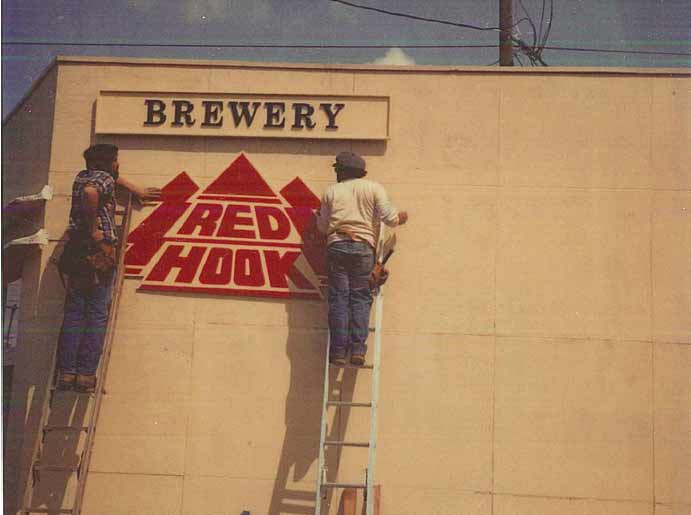
In the early 1980s, a small brewery opened in a former auto-repair garage in Seattle’s Ballard neighborhood. The owners brewed beer for adults, but they also made something special: delicious root beer (a non-alcoholic drink flavored with herbs and spices) for children. Every Saturday local families came by — parents sampled new beers while kids drank cold root beer for free and played in the yard. No one then knew that those Saturday visits would one day save not only that small brewery but also help spark a cultural movement that changed Seattle.
The garage that smelled of hops and dreams
The brewery was called Red Hook Brewery, founded in 1981 by two friends tired of the sameness from big breweries. They wanted to brew beer the way it had been made a century earlier — in small batches, caring for each bottle, experimenting with flavors. This is called "craft brewing" — making the drink like artisans, not on an assembly line.
But in the early 1980s almost no one in America did that. Large beer companies dominated, and their advertising was everywhere. The little garage brewery attracted little attention. Red Hook’s owners were barely getting by. They paid rent, ingredients, and for equipment, but there was almost no money left over. By the end of their second year they were seriously considering closing.
Yet they kept doing one thing: every Saturday they brewed a large vat of root beer and gave it away to neighborhood children for free. Why? Simply because they liked seeing the kids’ happy faces and hearing laughter in the yard. They didn’t think it would help their business. It was just kindness.
A petition on notebook paper
One spring day in 1983 the children overheard adults talking: the brewery might close. To the kids it was like hearing their favorite playground might be shut down. A group of elementary school students — aged 8 to 12 — decided to act.
They did what they had been taught in civics class: they organized a petition. They tore pages from their notebooks, wrote at the top: "We want the brewery to stay in our neighborhood!" and began collecting signatures. They stood by the entrance to the local grocery store, went door to door, and explained to neighbors why it mattered.
"There are kind people who share root beer with us," one girl wrote in her appeal. "They make our neighborhood special," added a boy in his version of the petition. The children gathered more than 200 signatures in two weeks. For a small neighborhood that was a lot.
More importantly, their petition made it into the local newspaper. A reporter wrote a piece headlined "Children Fight for Local Business." The story was touching: little neighborhood residents defending a small brewery from closure. After the publication, new visitors began coming to the brewery. People wanted to try the beer from the place children were so concerned about. Sales began to rise.
From a garage to a movement
Red Hook Brewery did not close. More than that, a few years later it moved into a larger space, opened a second facility, and became one of the largest craft breweries on the U.S. West Coast. But the more interesting part is what happened next.
Red Hook’s success showed other dreamers that a small brewery could survive in a world of big corporations. In the late 1980s and 1990s new microbreweries began opening across Seattle. People who had worked at Red Hook left to start their own breweries. They taught others, shared secrets, and helped newcomers.
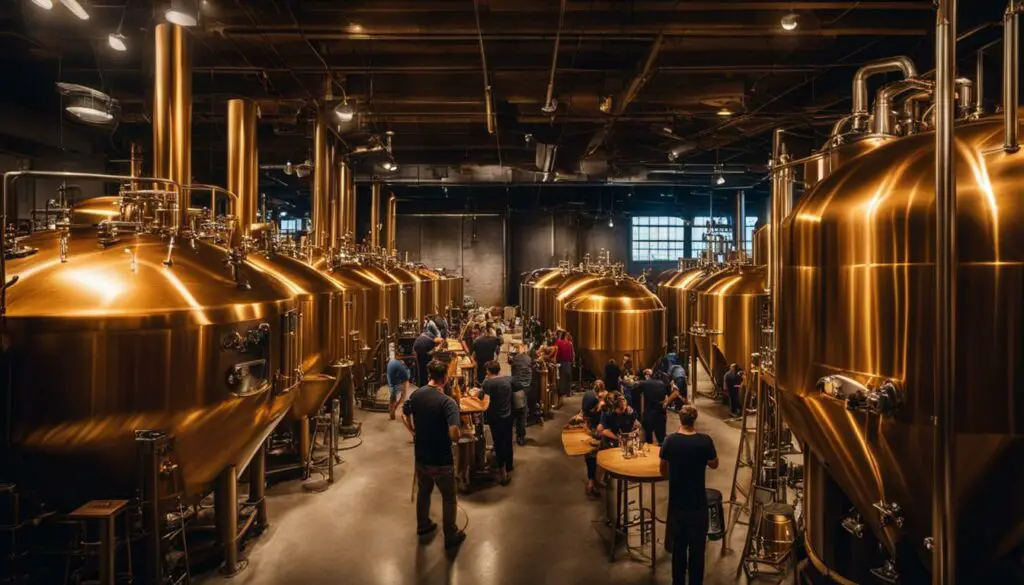
By the 2000s Seattle had become one of the main centers of craft brewing in America. Dozens of microbreweries operated in the city, each with its own unique taste and story. The movement changed not only beer culture but the city’s economy: new jobs appeared, tourists came specifically for "beer tours," and neighborhoods around breweries became more lively and interesting.
Historians studying craft brewing often call Red Hook "the brewery that started the Northwest revolution." But few remember the 1983 children’s petition that helped the brewery survive its toughest times.
A connection to today
Today there are more than 50 microbreweries operating in Seattle, and many continue Red Hook’s tradition: they make non-alcoholic drinks for children and invite families into their yards. Some breweries even organize special "family Saturdays" with games for kids and tours explaining how beverages are made.
But there’s a deeper connection. The movement to preserve local, small-scale businesses — whether breweries, bakeries, bookstores, or cafés — rests largely on the same principle the children intuitively understood in 1983: local places make a neighborhood special, create community, and give people a meeting point.
In 2019, when an old microbrewery in the Georgetown neighborhood was about to close due to rising rent, a group of high school students organized a social media campaign under the hashtag #SaveOurBrewery. They created an online petition signed by more than 5,000 people, filmed video interviews with the owners and regulars, and organized a "day of solidarity" when hundreds of people came to buy beer and support the business. The brewery negotiated new lease terms and stayed open.
Those teens may not have known about the 1983 petition, but they acted on the same logic: the voices of young people matter, even on "adult" issues of business and economy.
The lesson of root beer
The story of the children’s petition and Red Hook Brewery teaches several important things. First, small acts of kindness (like free root beer for kids) can return in unexpected gratitude. The brewery owners didn’t think of profit when they treated the children — they were simply kind. But that kindness created a bond with the neighborhood that later saved their business.
Second, children and teenagers can be true defenders of their communities. Adults sometimes assume young people don’t understand the importance of local places and traditions. But history shows the opposite: often young people are the first to notice when something valuable is threatened and the first to act.
Third, preserving cultural heritage isn’t only about old buildings and museums. It’s also about living places where people meet, connect, and create memories. The little garage brewery from 1981 didn’t look like "cultural heritage," but it became the start of a movement that defined the city’s character.
Today, when you walk through Seattle and see a microbrewery sign above a cozy yard where families sip lemonade and root beer, remember: behind that scene is a long story. And at the beginning of that story were kids with notebook pages who simply wanted to save a place where they were treated kindly. They didn’t know they were changing the future of a whole city. But that’s often how big changes happen — through small, sincere acts by ordinary people.