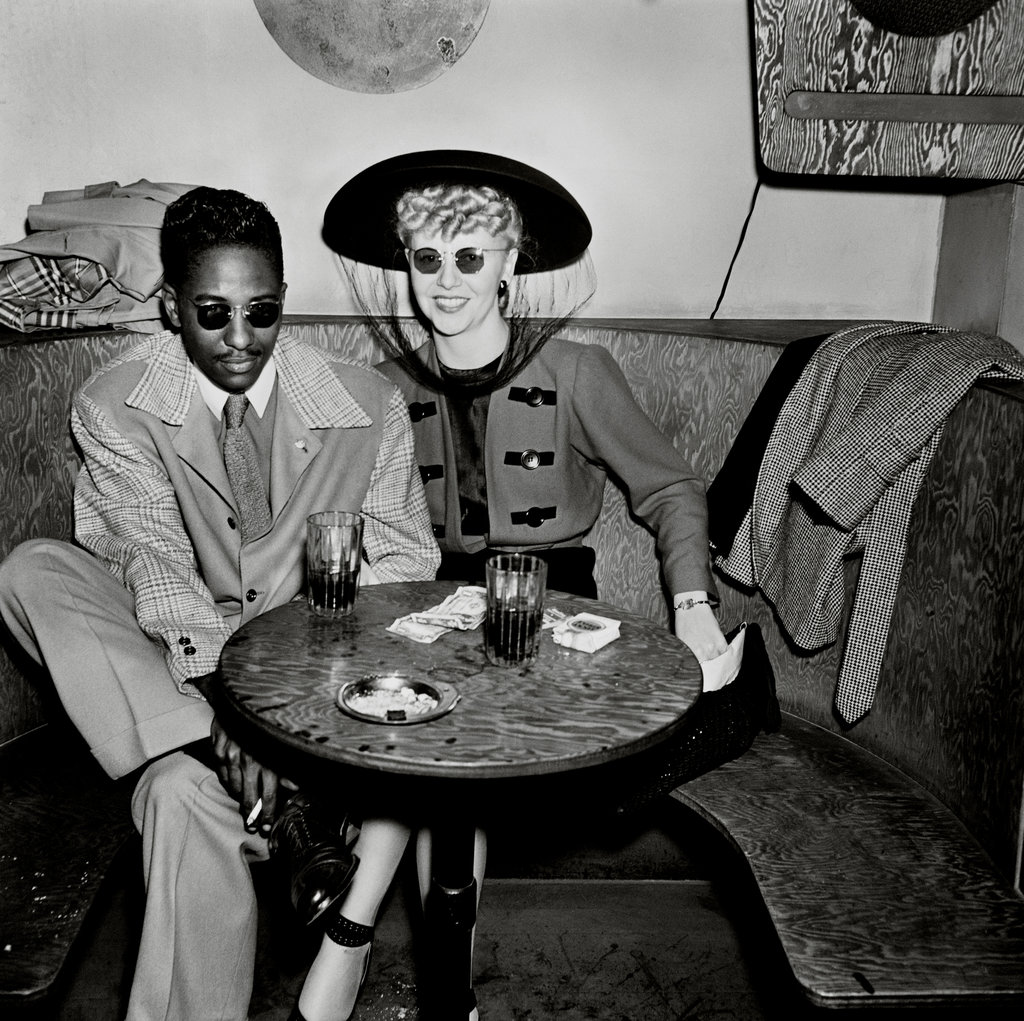
Imagine a street that is quiet and ordinary during the day, but at night, behind closed doors, music fills the air—saxophones, pianos, and drums playing so loudly and joyfully that it seems as if the building might take off. Such a street really existed in Seattle many years ago, and it was called Jackson Street. It was there that an astonishing story unfolded about two teenagers, music, and a friendship that changed the world.
A City Divided in Two
Many decades ago, roughly during the 1930s through the 1950s, Seattle, like many American cities, had a rule that seems deeply unfair today: Black and white people were not allowed to go to the same cafés, movie theaters, or clubs. This was called segregation—the practice of separating people simply because of their skin color, rather than because they had done anything wrong.
Because of this rule, Black musicians were not allowed to perform in the best-known clubs in the city center. It was hurtful and unjust. But the musicians did not give up. They decided: if they would not let us in there, we will build our own place—one that is even better!
The Street That Never Slept
That was how Jackson Street came to life—a street in a neighborhood where mostly Black families lived. Clubs with unusual names opened there, including the Black & Tan. During the day, they looked like ordinary buildings, but late at night, when the city’s other clubs had already closed, the fun was just beginning.
The most remarkable thing was that these clubs were open to everyone who loved music. The city’s rules said one thing, while music said something entirely different. White musicians who heard about the incredible jazz on Jackson Street would secretly come there just to stand in a corner and listen—and sometimes take a chance and play alongside everyone else. Onstage, no one asked what color your skin was. They asked only one thing: could you play?
Two Boys Who Met Through Music
It was on this street that a story unfolded that would later change music around the world. A teenager named Quincy Jones often came there—he was only about 14 years old. Another young musician performed in the clubs: a blind boy named Ray Charles, who had come to Seattle to test his abilities.
They met right there on Jackson Street, among pianos and horns, surrounded by adult musicians who taught them about chords and patience. Quincy Jones later recalled that it was in those small, smoke-filled rooms that he realized music does not recognize the boundaries adults create. Ray Charles and Quincy Jones became lifelong friends and played together in local bands, not yet knowing that one would become one of the most famous singers in music history, while the other would become a legendary producer who would work with Michael Jackson and help create the song “We Are the World.”
Here is a small table to make it clearer how quickly their friendship and careers developed:
| Approximate year | Event |
|---|---|
| 1930s | Jazz clubs open on Jackson Street |
| Late 1940s | Ray Charles arrives in Seattle and meets Quincy Jones |
| 1950s | Both begin professional music careers |
| Later | Quincy Jones becomes a famous producer, while Ray Charles becomes a music legend |
Why This Story Still Matters Today
It may seem like this is simply an old story about music. But in fact, it reminds us of something very important even now: rules that divide people are not always fair, while friendship and a shared passion—such as music, sports, or creative work—are often stronger than any boundary. Even today, people around the world talk about how important it is for every child, regardless of who they are or where they come from, to have the opportunity to learn, play, and form friendships with others.
Jackson Street has changed greatly over the years, but the story of the boy with the saxophone and the blind boy at the piano, who met in defiance of the rules of their time, still resonates as a reminder: music can open doors that adults sometimes close.