Imagine you came to work in another country where almost no one speaks your language. You work 12–14 hours a day in a cold, wet factory cleaning fish. You’re paid so little you can barely afford food. And when you try to complain, the boss just laughs and says, “Don’t like it — go home.” That was the life of thousands of young Filipinos who came in the 1930s to work in canneries in the American Northwest. But one day they decided they’d had enough. What happened next changed not only their lives, but how people in America thought about fairness, friendship, and courage.
Young people who found themselves alone in a foreign land
In the early 1930s thousands of young Filipinos came to Alaska and Washington State. Many were only 18–25 years old. The Philippines was then a U.S. colony, so Filipinos could travel to America to work. They had heard they could earn money in the canneries and send it home to their families. But the reality was harsh.
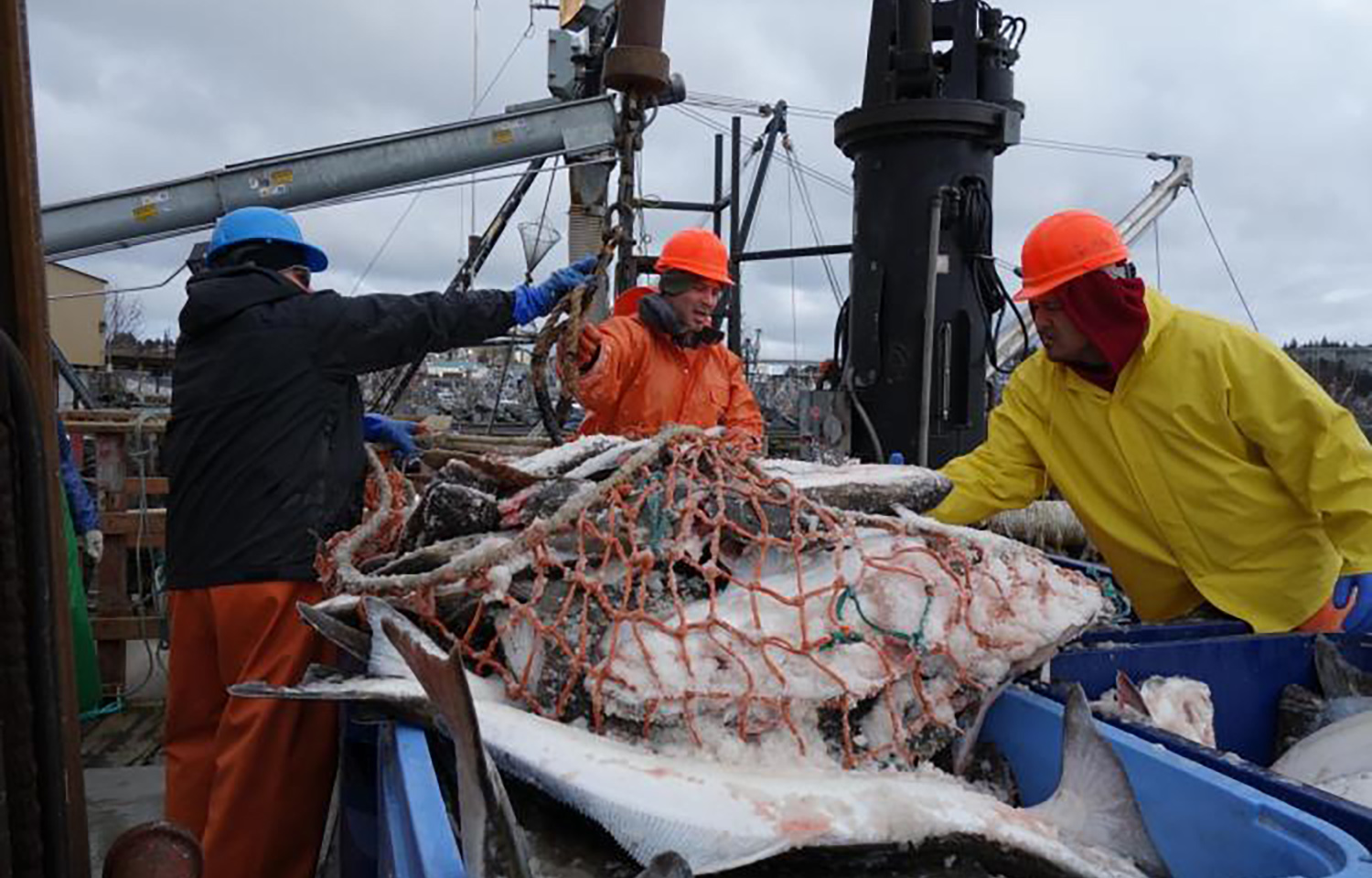
Plant owners paid Filipino workers two to three times less than white American workers for the same jobs. Workers lived in overcrowded barracks, 10–12 people per room. They worked in icy water, cleaning salmon and herring; their hands were cut and their backs ached from standing 14 hours straight. If someone got sick or complained, they were simply fired and replaced.
But the worst part was being treated as second-class people. In the towns where Filipinos worked, they were often banned from restaurants, movie theaters, and some shops. Signs read: “Whites Only.” Many Americans believed Filipinos were “stealing jobs” from locals, even though locals simply didn’t want to work for such tiny pay in such awful conditions.
The day quiet workers became loud
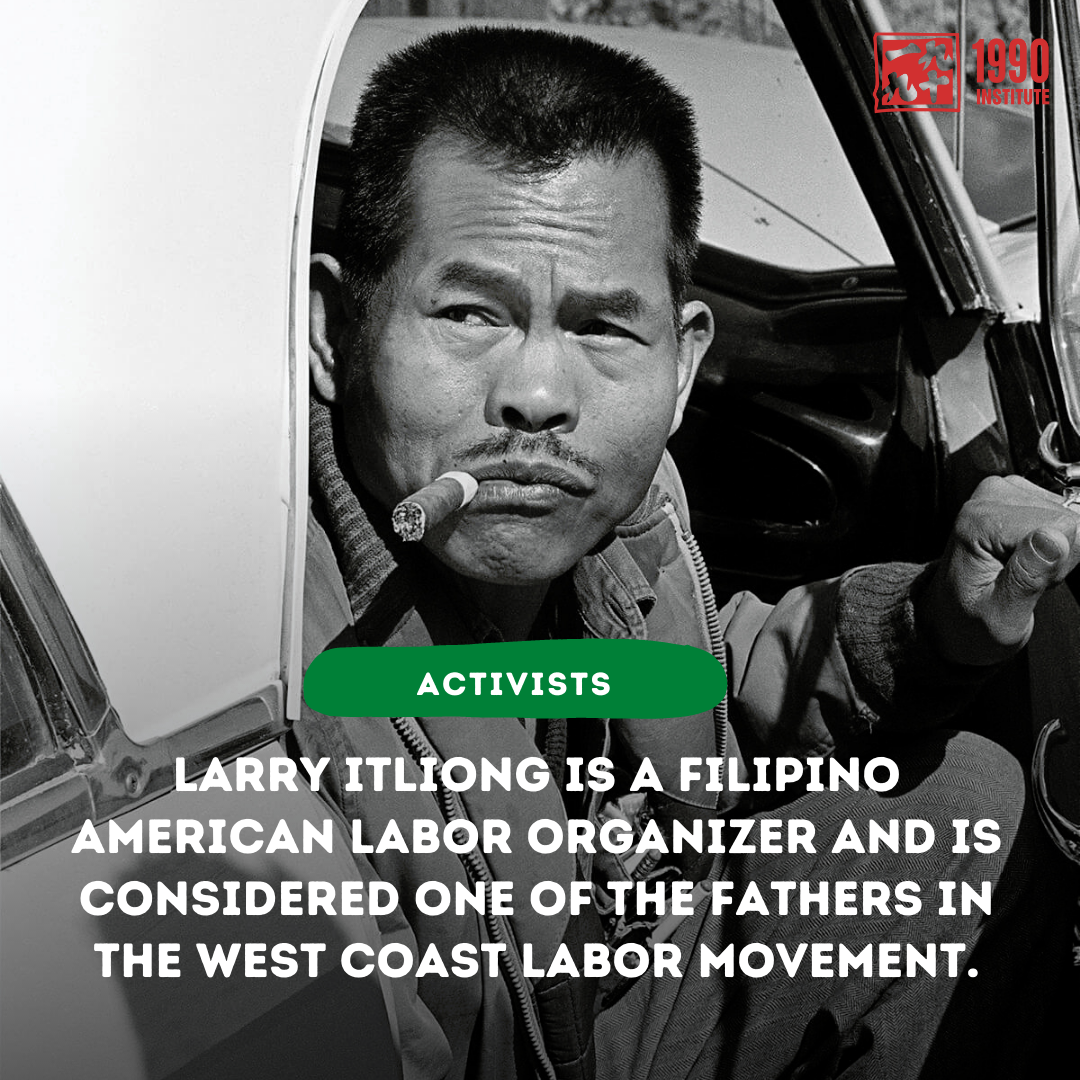
In the summer of 1933 something changed. A group of Filipino cannery workers decided they couldn’t stay silent any longer. They formed a union — an organization to defend workers’ rights. Their leader was a young man named Virgilio Simplissio Mendoza, known simply as Virgil. He was only 23, but he had a way of speaking that made people listen.
The workers drafted a list of demands: they wanted the same wages as white workers, an eight-hour workday, decent living conditions, and respectful treatment. When the plant owners refused even to talk, the Filipinos did something incredibly brave: they went on strike. That meant they stopped working.
Imagine how frightening that was! These young people had almost no money. If they didn’t work, they couldn’t buy food. They were far from home, in a country where many did not like them. Plant owners could call the police or evict them from the barracks. But the Filipinos stood together. They built tents near the plants and refused to leave. They sang songs in their language, cooked over fires, and supported one another.
Strangers who became friends over a fence
Then something surprising happened. Local people began coming to the strikers. First came a few women from nearby houses. They brought soup and bread. “We see you are hungry,” they said. Then university students came. They wanted to hear the workers’ stories and write about them in the papers. Then came workers from other plants — Americans who knew what injustice felt like.
These people did not share a language with the Filipinos. Many had never met anyone from the Philippines. But they saw something important: these young people were brave. They stood up for what was right. That was understood without words.
Women from a local church organized a “solidarity kitchen” — every day they cooked for hundreds of strikers. Students helped translate the workers’ demands into English and told their stories in newspapers. Some local families even invited Filipinos into their homes to wash, rest, and talk.
A teacher named Mary Farquhar came to the picket line every day to teach them English right there. “If you want to be heard, you must be able to tell your story,” she would say. The Filipinos, in turn, taught her and other volunteers words in Tagalog — the language of the Philippines. They sang together, mixing words from both languages, and laughed at their mistakes.
What changed once people stood together
The strike lasted several months. It was a hard time. Plant owners tried to hire replacement workers. Police sometimes came and tried to break up the picket. But the Filipinos did not give up, and their new friends stood with them.
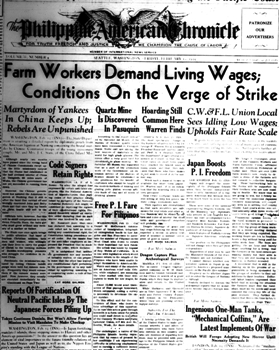
Eventually the plant owners realized they could not simply ignore the workers. Too many people knew their story. Newspapers wrote about the injustice. Locals protested. The plants couldn’t operate without workers, and salmon needed to be processed quickly or it would spoil.
The owners agreed to negotiate. The Filipino workers didn’t get everything they wanted, but they won important changes. Their wages increased. The workday got shorter. Living conditions improved. Most important, they showed that people considered weak or unimportant could change the rules if they stood together.
After that strike, attitudes toward Filipino workers began to shift. Other workers at other plants also started demanding fairness. Labor laws became stricter — employers could no longer cheat people so easily. And friendships between Filipino workers and local residents continued. In some towns of the American Northwest descendants of those Filipinos still live today, and they remember the stories of their grandparents’ and great-grandparents’ courage.
Why this story matters today
The story of the Filipino workers in 1933 teaches us several important lessons. First, it shows that justice doesn’t come by itself. Those young people could have continued to endure mistreatment, but they chose to be brave. They risked everything they had because they knew what was being done to them was wrong.
Second, it shows the power of friendship across difference. Filipinos and Americans spoke different languages, grew up in different cultures, and ate different foods. But when they saw in each other human beings like themselves — with dreams, fears, and hopes — they could stand together. The women who brought soup, the students who wrote articles, the teacher who taught English — they all understood that injustice to one is injustice to all.
Third, it reminds us that change is possible. When the Filipino workers began their strike, many thought they would lose. They were poor, foreign, and had no power. But they didn’t give up. Their courage inspired others to join them.
Today, when we see injustice — at school, in our town, or in the world — we can remember those young Filipino workers. They showed that even when you seem too small, too weak, or too alone to make a difference, you can find friends, stand together, and make the world a bit fairer. Sometimes the biggest changes start with ordinary people who simply decide to be brave.