Imagine you live in a house that city officials consider... homeless. Not because you don't have a home, but because bureaucrats can't decide: is your house a boat or a building? And if they decide wrong, your family could be forced to leave. That's exactly what happened to hundreds of families in Seattle in the 1960s and ’70s, when floating homes on Lake Union became the center of a strange legal puzzle.
This is the story of how people invented an entirely new word to save their homes — and how that decision, made half a century ago, explains why living on the water in Seattle today is something only very wealthy people can afford.
A puzzle a whole city couldn't solve
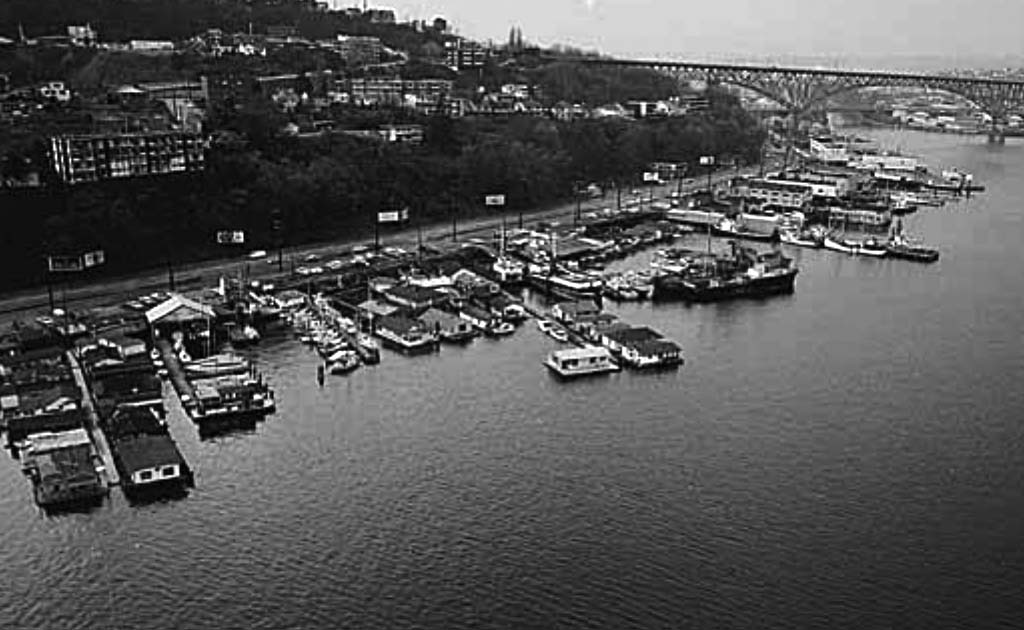
In the early 1960s, about 2,500 people lived in floating homes on Lake Union in Seattle. They were artists, laborers, students, retirees — ordinary people who chose life on the water because it was cheaper than renting an apartment on land. Many families lived there for decades. Their houses rocked with the waves but were real homes: with kitchens, bedrooms, bookshelves and cats on the windowsills.
But to the city, these houses were a problem. If a floating home is a boat, its owners should pay boat taxes (very small amounts) and could sail away at any time. If it is a building, then property taxes apply (much higher), but you also get rights like any homeowner. City officials couldn't decide, and this created chaos: some departments said one thing, others another.
In 1962 the city made a decision: floating homes are boats. Temporary structures. That meant they could be simply banned in certain places, like truck parking is banned. Hundreds of families received notices: you have a few years to remove your "boats" from here. Where to? That was your problem.
The man who didn't know how to give up
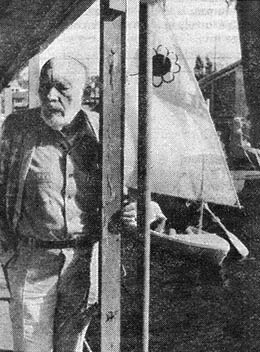
Among the floating-home residents was Terry Pettus — an older man with a gray beard who had spent his life defending workers' rights. He was a union organizer, someone who could explain complex things in plain language and bring people together. Pettus had lived in a floating home since 1956 and had no intention of leaving.
Pettus understood the key point: the problem wasn't the houses, it was the words. The city used the word "houseboat," which sounded like something temporary, like a recreational boat. But their homes were not temporary! They had sat in one place for decades, were connected to electricity and plumbing, children were raised and grandparents aged there.
Together with his neighbors, Terry invented a new term: "floating home." Not a "houseboat," but a proper "home" that just floats instead of sitting on land. It sounds like a small difference, but legally it was revolutionary. They said: our houses are genuine real estate, they just happen to be on water rather than on land.
The fight for a new category
For the next fifteen years, floating-home residents fought to have the city and state recognize their new category. It wasn't a physical fight but a battle of words, laws and patience. Terry Pettus and his neighbors attended endless meetings with officials, wrote letters, and explained the same thing over and over.
They ran into a strange problem: officials didn't know how to deal with something that didn't fit existing rules. All laws were written for houses on land or for boats in the water. Floating homes were somewhere in between, and there were no instructions for them.
In 1977 there was a breakthrough: the state of Washington officially recognized the category "floating homes" and created separate regulations for them. Floating homes were now considered real property — they could not be simply evicted like boats. Owners got rights similar to those of ordinary homeowners. Terry Pettus and his neighbors won.
But that victory had unexpected consequences.
When a victory becomes too expensive
When floating homes became official real estate, the city decided: they could no longer be built in most places. Too complicated, too many rules, too many questions about safety and the environment. The number of permitted sites for floating homes was strictly limited.
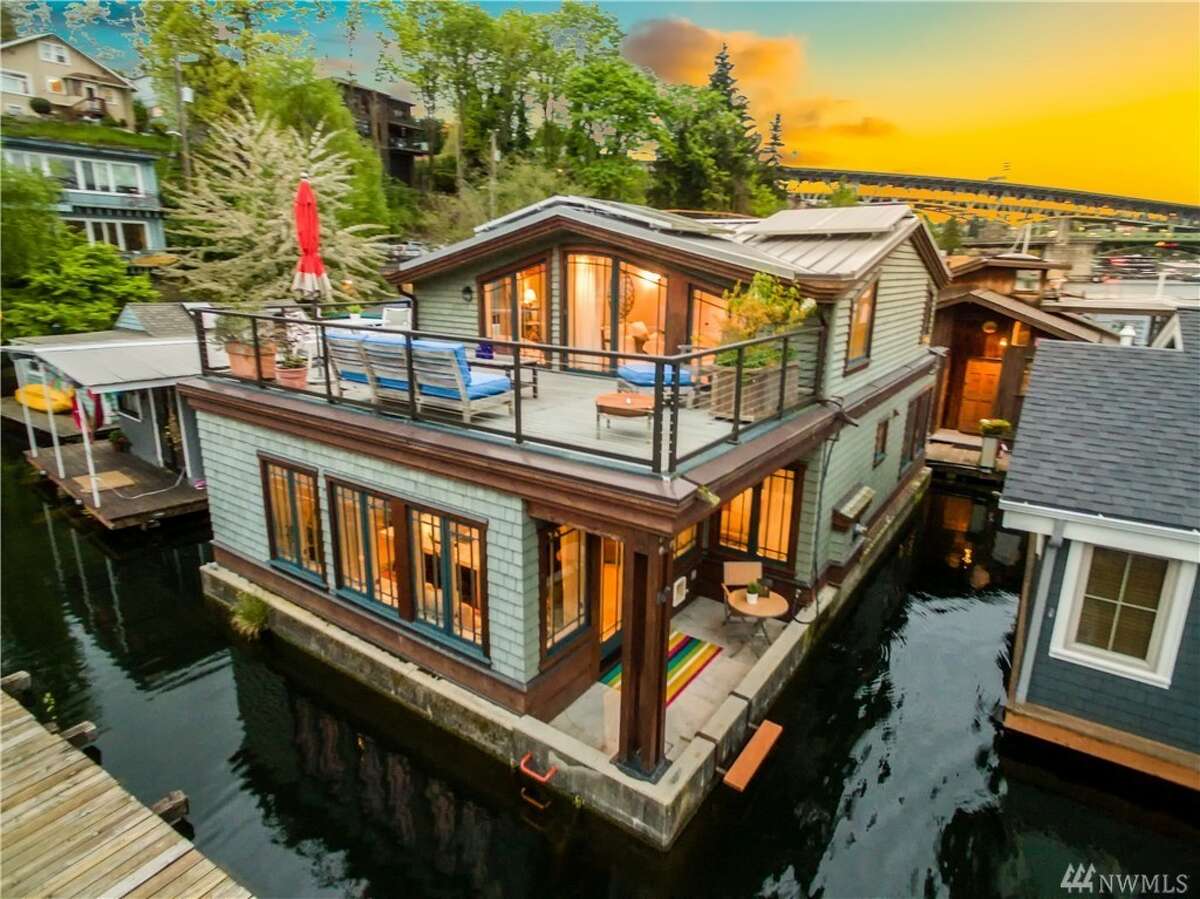
Economics has a simple rule: when something is scarce and many want it, the price goes up. In the 1970s a floating home on Lake Union could cost $15,000–$20,000 (about the price of an inexpensive car). Today a comparable home costs from $500,000 to several million dollars.
What happened surprised everyone: the fight to stay in their homes created rules that made those homes affordable only to wealthy people. The artists and students who lived there in the 1960s can no longer afford that life. Floating homes became a symbol of luxury, though they were once the city's cheapest housing.
Terry Pettus died in 2002. He lived in his floating home until the end and saw how the place he had defended changed. In one of his last interviews he said, "We fought for the right to live here. We won. But now only people with a lot of money can live here. I don't know how to fix that."
A lesson that floats on the water
The story of Seattle's floating homes teaches an important lesson: economic decisions are like stones thrown into water — ripples reach the shore years later. When residents defended their homes in the 1960s and ’70s, they thought only about staying put. They couldn't foresee that their victory would create scarcity, and scarcity would create high prices.
That doesn't mean they were wrong. They saved their homes and created rules that protect people living on the water across America. But their story shows how hard it is to predict the future when you make decisions today.
Next time you walk past the beautiful floating homes on Lake Union, remember: each one holds a history of people who invented a new word to protect their way of life. And of how protection can sometimes turn into walls that keep others out — even when no one intended that.