Imagine your favorite river looks perfectly normal from above, but a dangerous secret hides beneath the surface. That was the case with the Duwamish River in Seattle. For decades factories and plants dumped harmful chemicals into it, and they settled on the riverbed like an invisible carpet of poison. Adults knew the river was sick, but no one could point exactly where the poison was hiding. Yet local people — including the Duwamish tribal members who have lived here for hundreds of years — fished in that river.
Then something unusual happened: ordinary people — not scientists in white coats, but neighbors, students, fishers and even schoolchildren — decided to become detectives themselves. And their helpers were real underwater robots.
Underwater robots piloted by neighbors
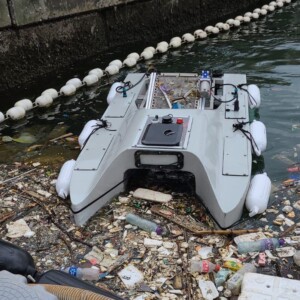
When the government began planning cleanup of the Duwamish River, scientists brought special machines — remotely operated underwater vehicles (ROVs). These robots look like small submarines with cameras and sensors. They can descend to the riverbed, record video, take sediment samples and measure how much dangerous material is in the mud.
But the most interesting part happened next. Activists from local groups, such as the Duwamish River Cleanup Coalition, said, "Wait! This is our river, our families live here. We don't want to just watch from the sidelines. We want to operate these robots ourselves and understand what's happening underwater."
And they learned! People without formal scientific degrees received training and began conducting the research themselves. Picture an ordinary mom or a college student sitting with a controller on the riverbank while a robot swims below and shows on the screen what’s happening on the bottom. It felt like a video game — but a real one, where the stakes were the health of an entire neighborhood.
Where ancient stories meet modern technology
Members of the Duwamish Tribe played a particularly important role. Their ancestors lived along this river for thousands of years, long before the city of Seattle existed (which, by the way, is named after Chief Sealth, an ally of the Duwamish). For them the river is not just a body of water, but a part of their history, culture and way of life.
Elders knew the places where fish were once abundant, where water was taken, where ceremonies were held. When they began working with scientists and robots, something magical happened: traditional knowledge merged with modern technology. An elder might say, "Right here, at this bend in the river, my grandfather always caught salmon. Check this spot closely." And the robot would find high levels of contamination — exactly where people had traditionally gathered food.
One activist, Pauline Fong, who has long fought for the river’s cleanup, explained: "We are not just studying chemical formulas. We are protecting the place where our children should be able to play safely, where our families should be able to eat fish as our ancestors did."
Pollution maps drawn by the whole neighborhood
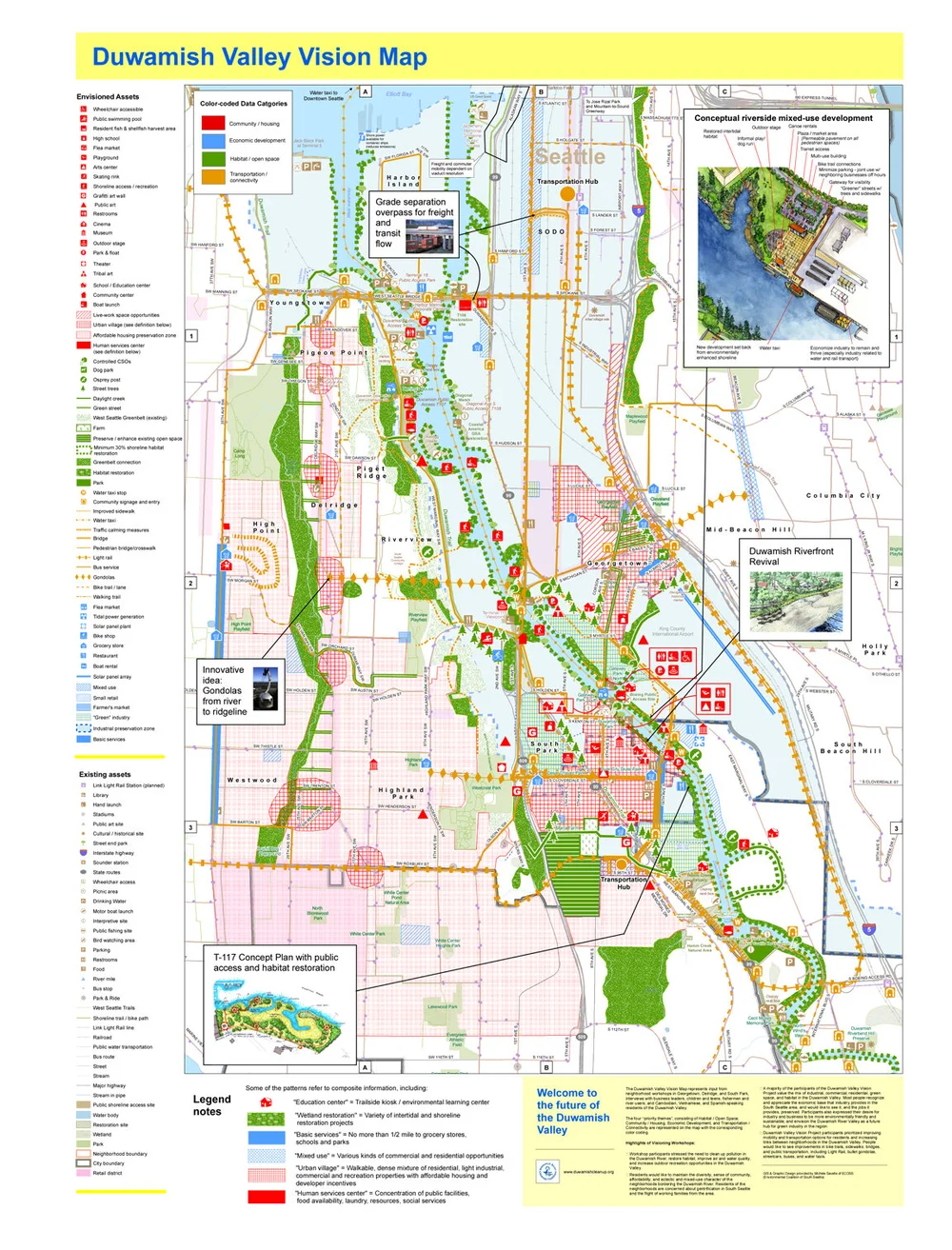
Using underwater robots and other technologies — sensors, GPS navigation, and specialized data analysis software — activists created detailed maps of the river’s contamination. But these weren't ordinary dry scientific maps. People added their stories, photos and memories.
On one map you could see not only "PCB concentration here is X milligrams per kilogram," but also "the Nguyen family fished here every Sunday" or "Duwamish children learned to canoe here." Technology helped reveal not just a scientific problem but a human tragedy.
These maps became a powerful tool. When activists went to meetings with officials and representatives of the companies that polluted the river, they could show precise data they had collected themselves. It was harder to dismiss or ignore them because these were not just complaints but scientific evidence gathered by residents.
School for underwater detectives
Gradually a whole training program appeared in the Duwamish River area. Students from local colleges, high schoolers and even some younger children had the opportunity to learn to work with environmental monitoring technology. It was like a detective school — except instead of hunting criminals, kids learned to hunt down sources of pollution.
Some of those children later chose careers in environmental fields and technology. One girl, who at 12 first saw an image from an underwater robot showing the river's polluted bottom, later studied environmental engineering. She said, "I realized technology is not just toys or entertainment. It's a tool that can help save the world."
What changed because of robots and determined people
The activists' work with technology changed the cleanup process for the Duwamish River itself. Typically such projects are controlled entirely by government agencies and large companies. But here, local residents became equal participants. Their data was taken into account in decision-making. Their voices could not be ignored because they spoke the language of science and facts.
Moreover, this experience became an example for other communities across the United States and even abroad. If Duwamish River residents could learn to use complex technologies to protect their home, others can too. You don't have to be a professor or hold a degree to care for your environment and use modern tools to defend it.
Of course, the Duwamish River is not yet fully cleaned — it's a process that will take many years. But thanks to the persistence of ordinary people and their willingness to master new technologies, the process is moving faster and more fairly.
A lesson for all of us
The story of underwater robots on the Duwamish River teaches an important lesson: technology becomes truly powerful when it is in the hands of those who care most about a problem. You don't have to be an expert from the start. You can learn, ask questions, try and fail.
When people say "it's too complicated" or "only specialists should do this," the Duwamish River story replies: "No, ordinary people can become specialists too, if they have the reason and determination."
Maybe one day you will become a detective like that — with a robot, a camera, a sensor or any other tool — helping to protect something important in your neighborhood. Because the biggest changes often begin not in laboratories or government buildings, but where ordinary people live who simply refuse to give up.