Imagine you sent a letter to a friend in another country, and many years later she sent you a gift you never expected. Sister cities work somewhat the same way, except instead of letters they exchange ideas, and instead of gifts — new ways to do business. The story of Seattle and its sister cities shows how technological ideas travel the world and return transformed, changing how people work and earn money.
Seattle — a city in the Pacific Northwest known for rain, coffee and big tech companies — forged friendships with many cities around the world. These relationships are called sister-city ties, and they function like friendships between schools in different countries, only on a much larger scale. But unlike ordinary friendships, where people might just swap postcards, sister cities exchange something more valuable: knowledge about how to do things better and faster.
The Japanese lesson: when airplanes learned from cars
In 1957, Seattle and the Japanese city of Kobe became sister cities. At the time it seemed like a good gesture after the war — two port cities deciding to be friends. But no one expected that thirty years later this friendship would change how American companies operated.
In the 1980s Seattle faced a big problem. Boeing, which built airplanes and was the city's major employer, was losing money. Planes were too expensive and took too long to make. Boeing engineers traveled to Kobe to learn from Japanese automobile factories like Toyota. The Japanese showed them a completely different way of working.
Instead of keeping huge warehouses of spare parts "just in case," the Japanese ordered parts exactly when they were needed — not earlier, not later. This system was called "just-in-time." Imagine not stocking your pantry for a month ahead, but going to the store every day only for what you need for dinner. The fridge doesn't get overcrowded and nothing spoils.
Boeing adopted these ideas, with astonishing results. By the early 1990s the time to produce one airplane was cut by nearly half. But the most interesting thing happened next: the same ideas were picked up by Seattle's emerging tech companies. Microsoft learned to manage software development using Japanese principles. Later, Amazon applied the "just-in-time" philosophy to its warehouses — which is why packages arrive so quickly.
The economic effect was huge. Researchers at the University of Washington estimate that adopting Japanese management methods in Seattle companies between 1985 and 2000 saved the local economy about $2.8 billion. That's money companies didn't spend on excess warehouses, unnecessary inventory and lost time.
The Uzbek surprise: when teachers became students
A very different story involved Tashkent, the capital of Uzbekistan, which became Seattle's sister city in 1973. Back then Uzbekistan was still part of the Soviet Union, and the friendship between the cities was more symbolic — delegation exchanges, concerts, exhibitions. Real change began much later, in the early 2000s.
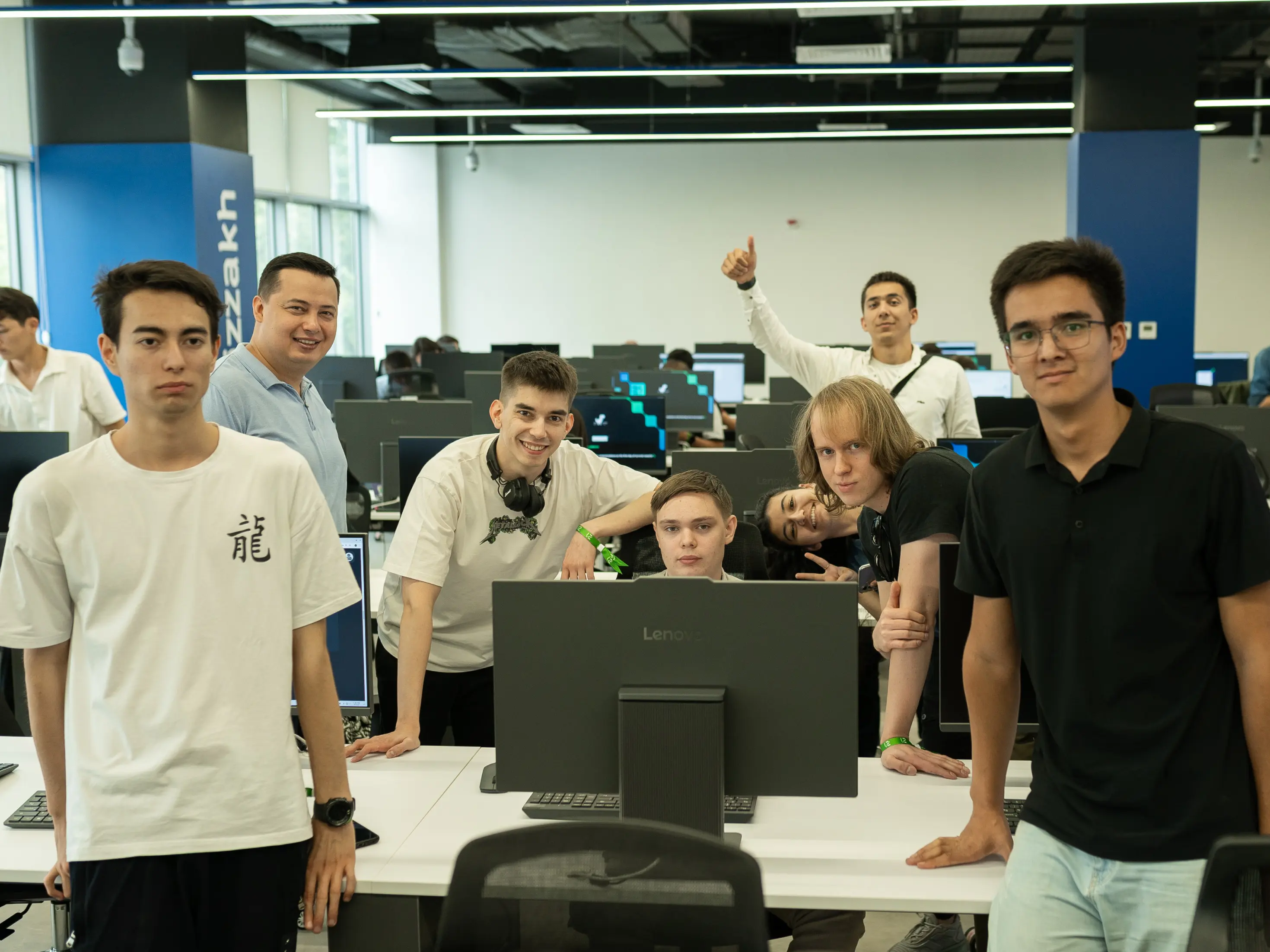
After the USSR collapsed, Uzbekistan sought new ways to develop its economy. Seattle, by then a global software hub, offered help. Several tech companies and the University of Washington launched programming training programs at the Tashkent University of Information Technologies.
At first it looked like ordinary charity: a wealthy American city helping a poorer Uzbek city. Instructors from Seattle traveled to Tashkent, taught students to write code in modern programming languages, and explained how tech startups operate. Between 2003 and 2010 more than 3,000 Uzbek students underwent such training.
But then something unexpected happened. Many of these students, having received an education, began seeking work. And guess where they went? Right — to Seattle. By 2015 more than 400 Uzbek programmers were working at Seattle tech companies. They brought not only skills but also a willingness to work for lower salaries than local specialists, which helped startups save money in early stages.
A surprising cycle emerged: Seattle taught Tashkent programming, and Tashkent sent back ready-made specialists to Seattle. One founder of a successful Seattle startup said, "We hired three programmers from Tashkent in 2012 when we had almost no money. They worked for half the usual salary but did excellent work. Without them we wouldn't have survived the first year." That startup was later sold for $50 million.
Numbers that tell the story
To understand how the economy changed because of these exchanges, look at the figures:
| Period | Event | Economic effect for Seattle |
|---|---|---|
| 1985-1990 | Boeing implements Japanese production methods | Cost reductions of $800M |
| 1990-1995 | Microsoft and other IT companies adopt efficiency principles | Productivity growth of 23% |
| 2003-2010 | IT training programs in Tashkent | $12M in investments |
| 2010-2015 | Inflow of trained specialists from Uzbekistan | Startups' wage savings of $45M |
| 2015-2020 | Growth of "reverse" investments and partnerships | Creation of 1,200 new jobs |
These numbers show an interesting thing: sometimes money spent to help others returns in unexpected ways. Seattle spent $12 million on training in Tashkent and got back specialists who helped build companies worth hundreds of millions.
Why this matters for ordinary people
You might ask: "So what? This is just a story about big companies and lots of money." But in fact these changes affected ordinary people — those who work in shops, restaurants and schools.
When tech companies became more efficient and earned more, more jobs appeared in Seattle. Not just for programmers, but for everyone else. Programmers eat in cafes, buy houses, send their kids to schools. One new programmer creates roughly five additional jobs in the city — for teachers, waiters, builders, doctors.
The sister-city story teaches an important lesson: in the modern world ideas don't belong to one place. They travel, change, and return in a new form. Japanese efficiency became American speed. American education became Uzbek specialists who came back to help build American companies.
A University of Washington economist said, "We thought we were teaching others. It turned out we were building a system where everyone teaches everyone. And that's far more valuable."
The gift that keeps giving
Today Seattle continues relationships with twenty-one sister cities around the world. Each of these ties is not just pretty ceremonies and souvenir swaps. They are living relationships where ideas, people and ways of working travel back and forth, producing unexpected results.
The story shows that it's impossible to predict exactly how a friendship between cities will change an economy. When Seattle and Kobe became friends in 1957, no one thought Japanese methods would change how Boeing worked thirty years later. When Seattle began teaching programmers in Tashkent, no one expected they'd return and help build new companies.
It's like the letter you sent to your friend. You don't know what the reply will be. But that unpredictability is what makes friendship interesting — and valuable. Cities, like people, grow richer when they share what they know and stay open to the unexpected gifts that come home.