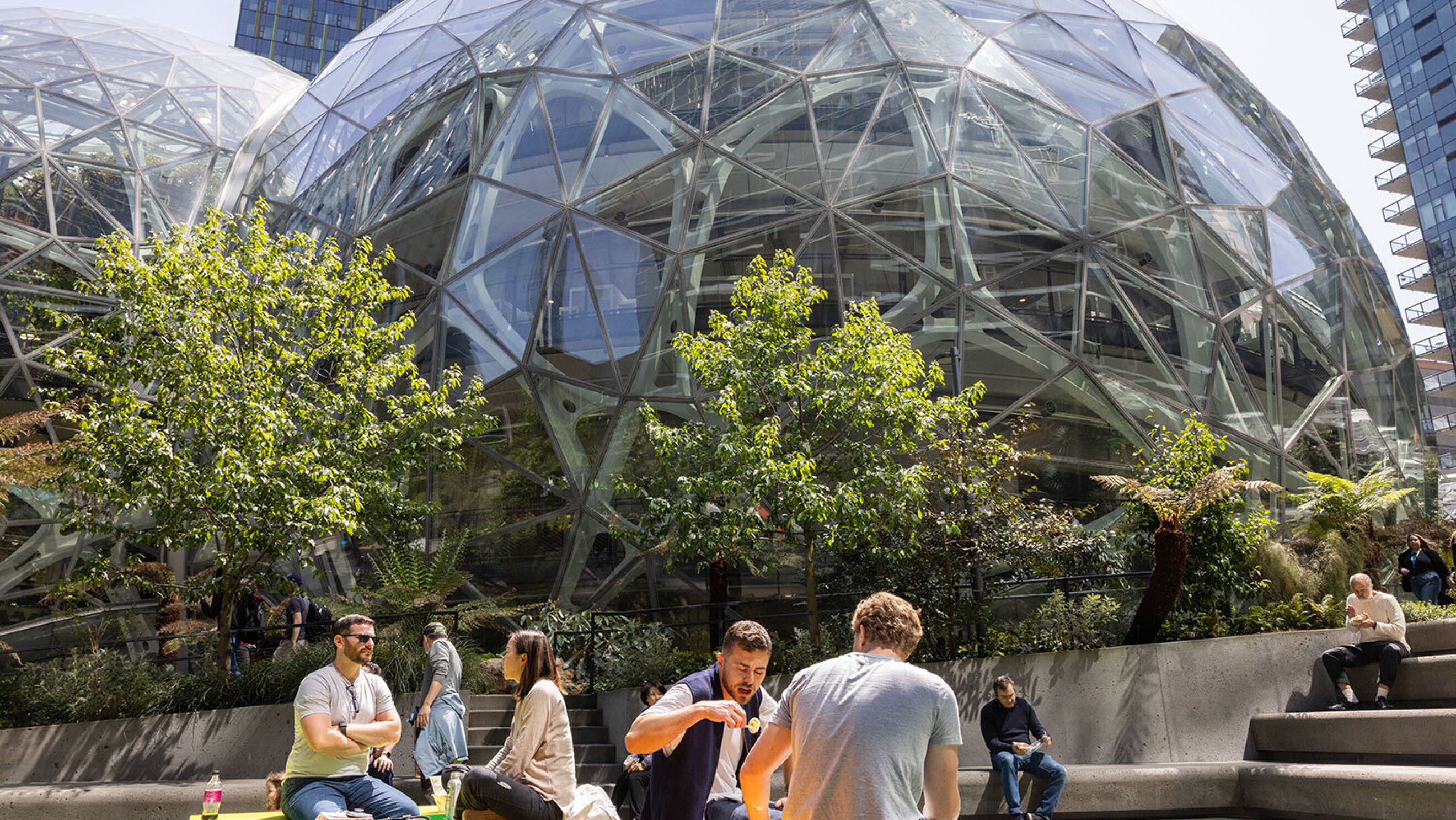
Imagine you live in a quiet neighborhood where neighbors know each other by name, tomatoes and sunflowers grow in the yard, and a beautiful lake shimmers nearby. And then—construction cranes, trucks, and an entire city of glass and concrete rise right outside your window. Roughly what residents of the South Lake Union area in Seattle felt when Amazon moved in. But this story isn’t about how a big company broke everything. It’s about how ordinary people—moms, dads, kids, gardeners, and activists—made sure nature could still live alongside skyscrapers.
Neighborhood by the lake: what it was like before Amazon
South Lake Union is a neighborhood right in the heart of Seattle, along the shores of Lake Union. A hundred years ago, it was swamps and flood-meadows: nature filtered the water on its own and fed the birds. Then the wetlands were drained, warehouses and workshops were built, along with small houses. The neighborhood became quiet and a little worn-down—one of those places where artists rent studios and longtime residents grow vegetable plots.
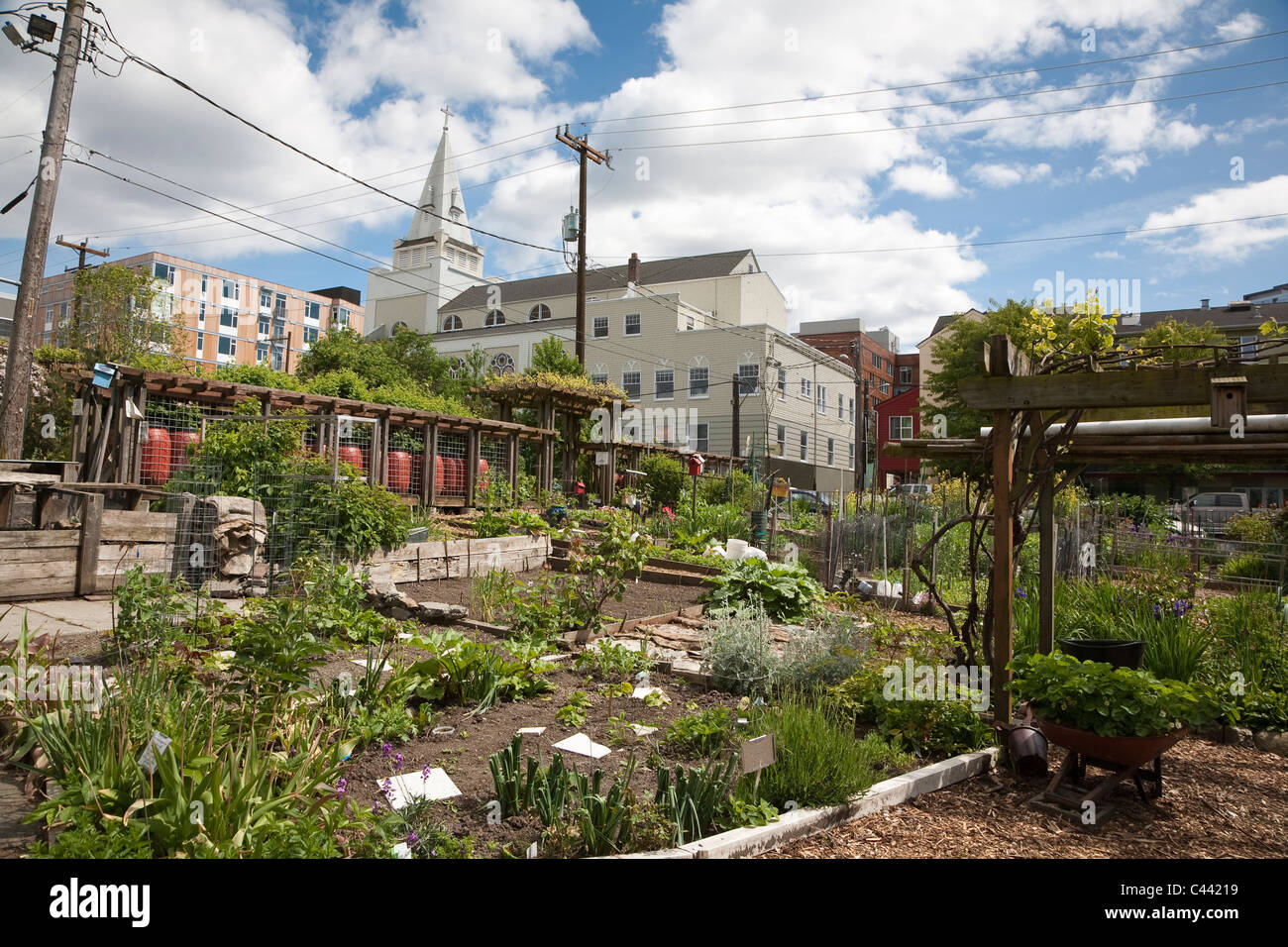
One of the most beloved places for residents was the so-called P-Patch—an community garden in the neighboring Cascade area. P-Patch is a special Seattle tradition: city garden plots where any resident can rent a small piece of land and grow whatever their heart desires. Tomatoes and basil grew here, along with pumpkins and flowers. Older neighbors came every morning, and kids helped water the seedlings. It wasn’t just a garden—it was a place where people felt like a real community.
And the lake…