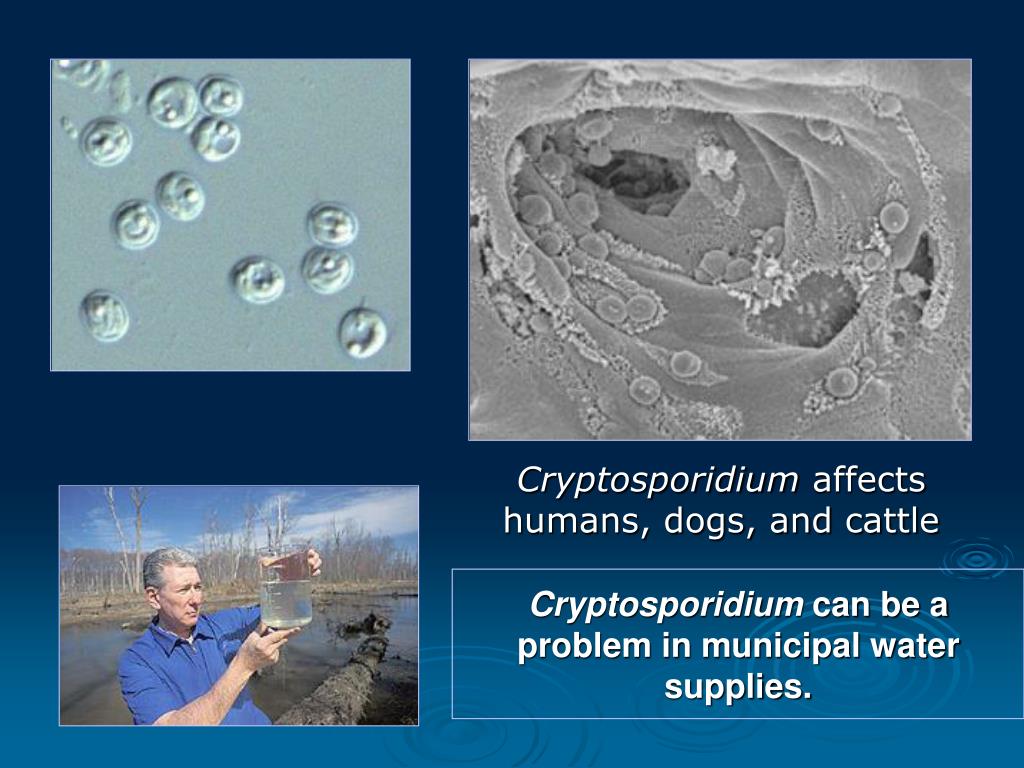
In the early 1990s scientists in Seattle discovered tiny invisible enemies in the water of the Cedar River. They were parasites called cryptosporidia — so small they can only be seen under a microscope, but dangerous enough to cause serious illness in people. The city faced a difficult choice: build a huge, expensive water filtration plant costing hundreds of millions of dollars or try something completely different. Engineers, scientists and ordinary residents then came up with a solution that changed the way people think about protecting urban water.
When the forest becomes a water filter
Imagine a giant sponge the size of an entire city. That’s how the Cedar River watershed works — an area of about 90,000 acres (roughly 60,000 soccer fields!) where rain and melting snow collect into streams that feed the river, and the river carries water straight to Seattle residents’ taps.
Engineers realized something remarkable: if this forest is kept absolutely clean and healthy, it becomes the best water treatment system on its own. Tree roots filter water, soil traps contaminants, and leaves and needles create a natural protective layer. It was a brilliant idea — instead of building artificial filters, use the most advanced filter nature has developed over thousands of years.
But there was one big problem: how to protect such a vast area? You can’t build a fence around an entire forest as tall as a skyscraper! So city authorities turned to ordinary people for help.
An army of volunteers heads into the woods
In the mid-1990s something remarkable began in Seattle. Hundreds of families, students, retirees and even schoolchildren signed up for the Watershed Stewards program. These people became real forest detectives.
Every weekend volunteer groups went into the woods with specific tasks. They looked for signs of illegal logging, checked whether anyone had left trash by streams, monitored trails so visitors didn’t wander into restricted areas. Each volunteer carried a special map, a notebook and a radio to communicate with forest rangers.
One participant, elementary school teacher Margaret Henderson, said, “We felt like the city’s protectors. When I walked through the forest and saw a clear stream, I knew — tomorrow that water will be in my students’ tea cups.”
Schoolchildren also joined the movement. Entire classes came on field trips where they learned to recognize signs of water pollution, measure stream cleanliness with special instruments and even count invertebrate insects — their numbers indicate how healthy an ecosystem is.
An engineering marvel without concrete and pipes
What Seattle did was a true engineering marvel, though not like conventional engineering projects. Instead of building massive structures, engineers created a sophisticated system of monitoring and protection.
They installed hundreds of sensors throughout the forest that continuously measure water quality at various points. If a sensor shows a change — for example, water has become cloudier or its temperature shifted — specialists immediately go out to find the cause.
Special “protection zones” were established around every stream and river. In these zones anything that could harm the water is prohibited: no tree cutting, no house building, no picnics. Even the hiking trails are routed so visitors can enjoy nature without accidentally damaging water sources.
Engineers also developed detailed emergency response plans. What to do if a wildfire starts in the forest? How to protect water in the event of an earthquake? There is a ready action plan for every problem.
The most surprising thing: the entire system cost the city about $60 million — ten times less than building a conventional filtration plant! And it still operates today, nearly 30 years later.
The legacy of the watershed stewards
Today the Cedar River watershed is one of the largest protected natural sources of drinking water for a major city in the United States. More than 1.5 million residents of Seattle and the surrounding area drink water that flows straight from the forest, with virtually no artificial treatment (only the legally required disinfection).
The volunteer program continues. Each year hundreds of new people are trained and become watershed stewards. Many families participate across generations — grandparents bring their grandchildren to the same forest they once helped protect.
Seattle’s story shows an important point: sometimes the smartest engineering solutions are not about building something new, but protecting what nature already created. It also proves that ordinary people who care about their city can accomplish a real miracle. Every volunteer who walked a forest trail and checked a stream’s clarity contributed to one of the world’s best water-supply systems.
When Seattle residents pour themselves a glass of water, they’re not just drinking tap water. They are drinking the work of an entire forest and thousands of people who decided nature deserves protection. And that might be the most beautiful engineering solution imaginable.