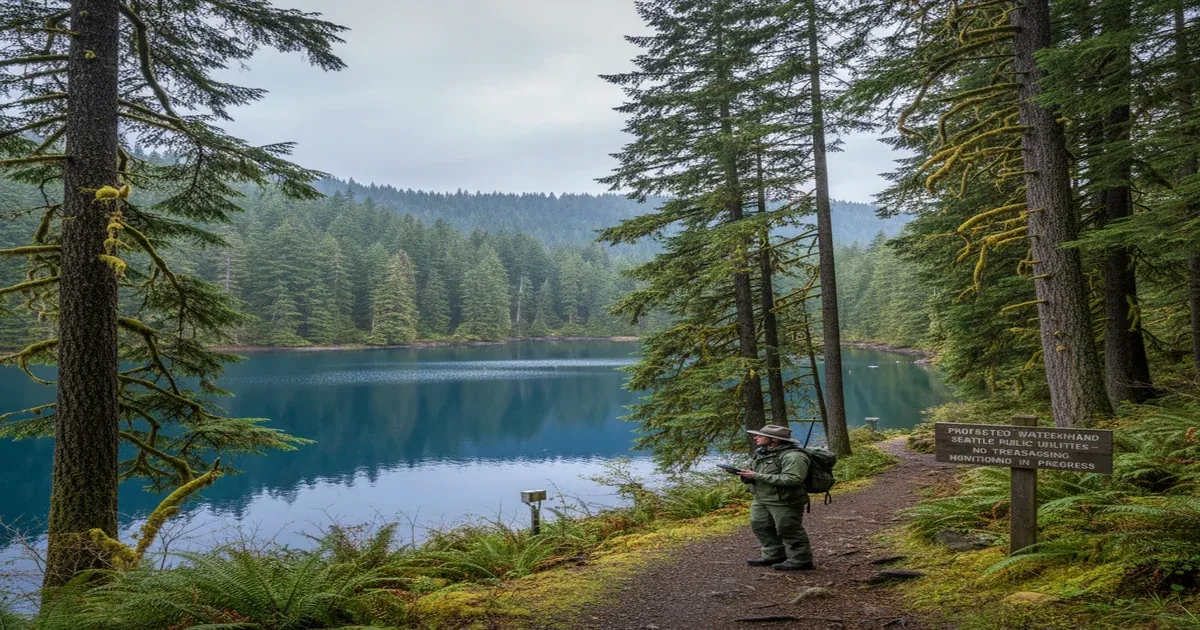
Imagine a vast forest — larger than more than one hundred thousand football fields. It is home to bears, eagles, elk, and salmon. Clean rivers run through it, and trees rise higher than any house. And the strangest part: almost nobody is allowed to enter. A lock hangs on the gate. Guards watch over the paths. The forest exists right next to a major city — Seattle — but most residents have never seen it. It’s called the Cedar River watershed. And it has a secret that, for a long time, nobody spoke about out loud.
The Forest That Supplies a Whole City
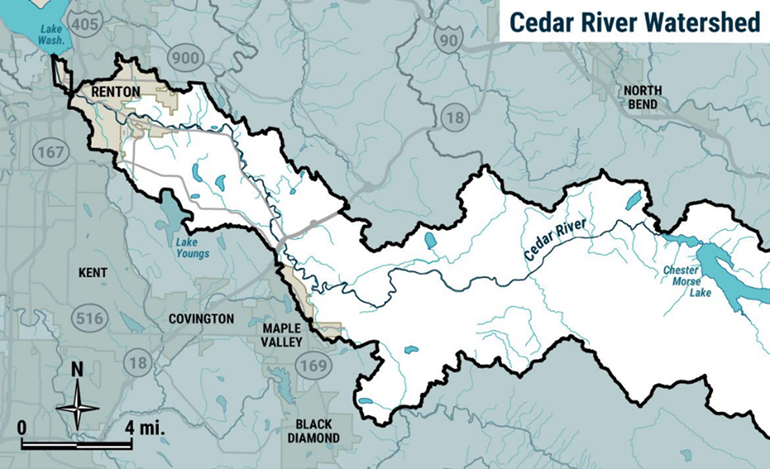
The Cedar River starts in the Cascade Mountains and flows down toward the city. It’s the river Seattle drinks from — clean, cold, and mountainous. More than a million people every day turn on the tap and never think about where that water comes from. And it comes from that very closed-off forest.
To keep the water clean, the city decided: people can’t go there. No picnics, no bikes, no tourists. The forest became like a huge natural filter — and it had to be protected. This decision was made in the early 1900s, and since then the forest has changed very little. Trees there grow for hundreds of years. Fish spawn in the rivers as if the city nearby didn’t exist at all.
Sounds like a fairy tale, doesn’t it? A secret forest nobody visits, and therefore everything is fine there. But this is where the real secret begins.
The People Who “Didn’t Exist”
When the city closed the forest and put up locks, official paperwork described it roughly like this: “wild, untouched land.” “Untouched” meant it was as if no people had ever lived there. As if it had simply been an empty forest waiting to be protected.
But that was not true.
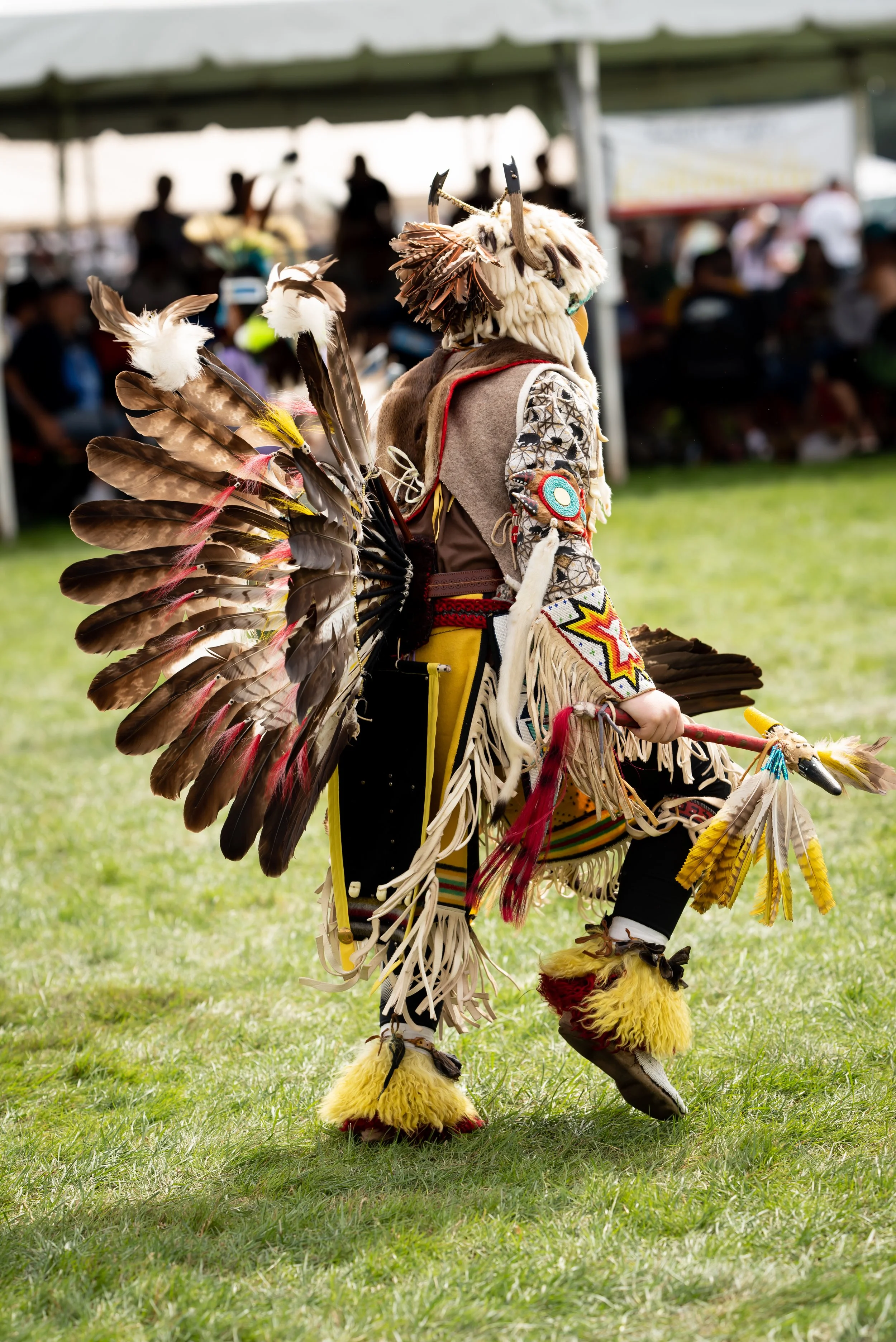
In these forests, and along the Cedar River, Indigenous peoples lived for thousands of years — the Muckleshoot and Snoqualmie. They knew every bend of the river. Every summer they came here to catch salmon — a fish that was not just food for them, but part of life, part of faith, part of family. They had favorite places to camp, trails they had walked and worn in over generations, trees they considered sacred.
Then the city came. The land was purchased. The gates shut. And the people who had always lived there ended up outside — without the right to enter. No one asked them. Their stories weren’t recorded. Their names were never mentioned in any official document about “nature protection.”
It was as if someone took your favorite book, tore out a few pages, and said: “These pages never existed.”
How Forgotten Voices Began to Come Back
For a long time, everything stayed that way. The forest was protected. Water flowed into the taps. And almost nobody wondered: who was here before the locks?
Then people appeared who started asking that very question. Historians, researchers, and above all the descendants of the Muckleshoot and Snoqualmie themselves — people who hadn’t forgotten their ancestors. They began collecting memories from elders, searching for old photographs, and reading letters and records that had gathered dust in archives.
And it turned out that traces had not disappeared anywhere. They had simply stopped being noticed.
The Muckleshoot tribe began working with the City of Seattle — talking, explaining, showing. Gradually, something began to change. Today, in some documents about the Cedar River watershed, it’s already written that this land was home to Indigenous peoples long before anyone put a lock on it. It’s a small step. But an important one.
One of the Muckleshoot elders once put it roughly like this: “The river remembers us, even if the papers forgot.” And those are very precise words. The salmon his ancestors caught still swims upstream in the same river. The water still flows over the same stones. The forest still stands. The only thing that changed is that the people who knew it best were asked to leave — and then it was as if they had never been there.
Why This Matters — Even If You’re Ten
It may seem like a story about adult matters: laws, land, politics. But in reality, it’s a story about something very simple.
It’s about what happens when we do something good — for example, protect a forest — but at the same time forget to ask: “Who was already here? Whose places are these?”
Protecting nature is right. The Cedar River stays clean precisely because the forest is protected. That matters. But you can protect nature and still remember the people. One doesn’t prevent the other.
When we learn forgotten stories — like the story of the Muckleshoot and Snoqualmie — it’s as if we put the torn-out pages back into the book. The book becomes real. Whole. Honest.
A locked forest by the castle keeps clean water for an entire city. That’s wonderful. But now we know it keeps something else too: memories of the people who loved it long before we arrived. And that memory also deserves protection.