Imagine you needed to cross a huge lake, but the water was so deep that not even the tallest ladder in the world could reach the bottom. That was the problem Seattle residents faced in the 1930s. Lake Washington split the city in two, and people spent hours driving around it. But building a conventional bridge was impossible — in some places the lake was more than sixty meters deep, deeper than a twenty-story building!
Engineers then proposed an idea that seemed crazy: build a bridge that would float on the water like a giant ship. Many laughed and said concrete cannot float. But a group of enthusiasts — engineers, ordinary citizens, teachers and even housewives — decided to prove it was possible. They created a true public movement that changed not only Seattle but the history of bridge-building. And today, nearly a hundred years later, those bridges are aging, and the city faces problems their bold builders never imagined.
Concrete boxes that don’t sink
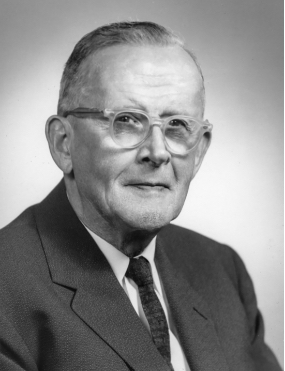
The central figure in this story was an engineer named Homer Hadley. He understood a simple thing: concrete is indeed heavy, but if you make it into a hollow box, like a gigantic shoebox, it will float! This works on the same principle as metal ships — the air inside keeps the whole structure buoyant.
But when Hadley and his colleague Lacey Morrow presented the idea at a town meeting, many rolled their eyes. “A concrete bridge that floats? You must be crazy!” skeptics said. Newspapers ran mocking articles. Some businessmen were afraid to invest in a project that seemed fantastical.
The engineers decided to act. They began holding public demonstrations right on the lake shore. Hadley brought small concrete blocks with cavities inside and threw them into the water in front of the gathered crowd. The blocks floated! People stood with their mouths open — they saw with their own eyes how heavy gray concrete calmly bobbed on the waves like a wooden chip.
Gradually the idea captured the imagination of the townspeople. Teachers brought students to the demonstrations. Children made their own small models of floating bridges from boxes and showed them to their parents. Libraries hosted lectures where engineers explained the physics of buoyancy in plain language. It was a real science lesson for the whole city!
When the whole city became one team
But convincing people a bridge could float was not enough. Huge funds were needed to build it, and this was the era of the Great Depression — a time when many Americans had no work and not enough money for food. The government allocated funds only to projects that had broad public support.
This is where things got interesting. A true public movement for floating bridges arose in Seattle. Housewives organized meetings in their living rooms to discuss how the bridge would change their families’ lives — children could reach schools on the other side faster, husbands would spend less time commuting. Shop owners understood the bridge would bring new customers. Even churches held special gatherings where priests spoke of the bridge as a symbol of hope in hard times.
People wrote letters to newspapers, collected signatures for petitions, and came to city council meetings as whole families. One woman, Mrs. Elizabeth Johnson, even organized a “Friends of the Floating Bridge” club where members knitted scarves and sold them to raise money for informational brochures about the project. It was like modern crowdfunding, only there was no internet then!
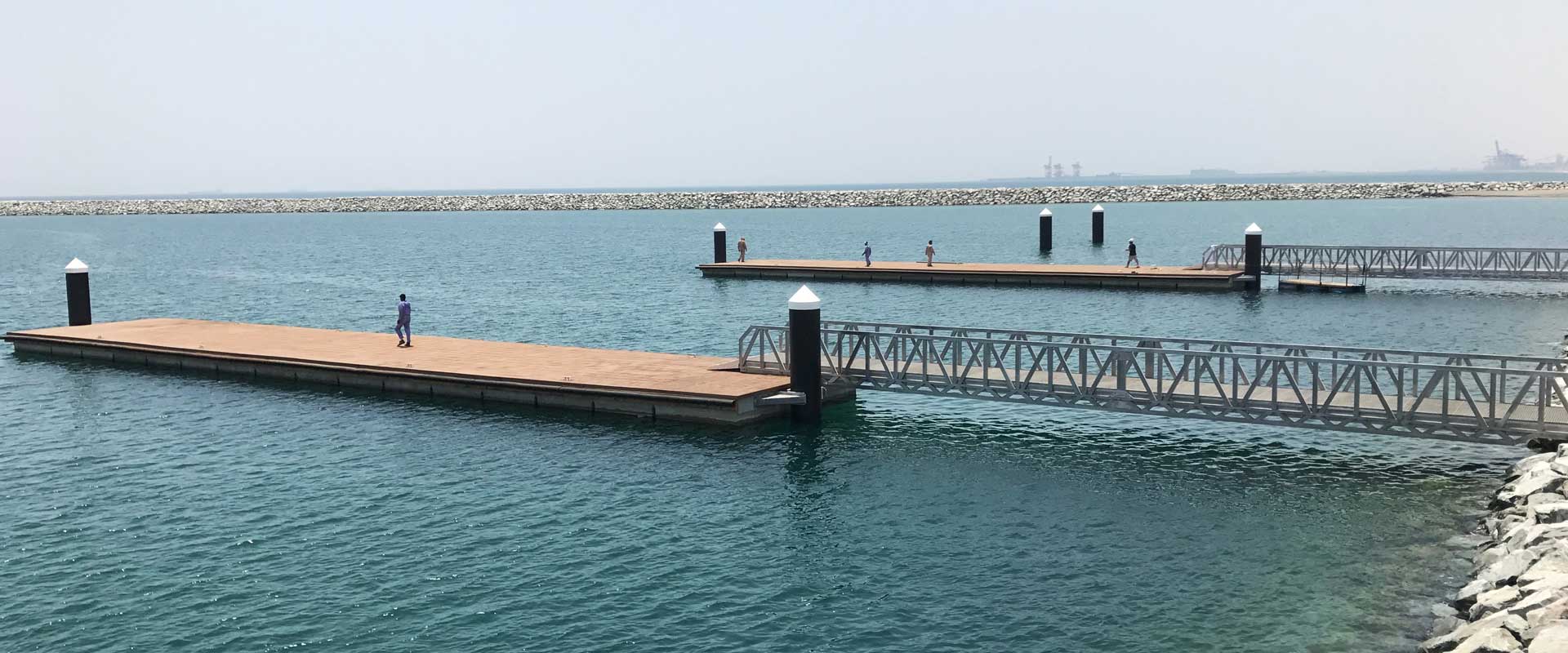
The engineers didn’t sit idle. They held open meetings every week where any resident could ask a question. “What if a storm comes?” an elderly teacher asked. Hadley patiently explained that the pontoons (the name for the floating concrete boxes) would be anchored to the lakebed with special cables, like a ship on anchor. “What if the bridge breaks?” a ten-year-old boy worried. Morrow showed drawings where each section of the bridge could operate independently — if one part were damaged, the others would keep the bridge afloat.
It was an amazing time when complex engineering solutions were discussed not only in offices but in kitchens, schools, and market squares. The city learned together, dreamed together, and decided together.
The miracle on Lake Washington
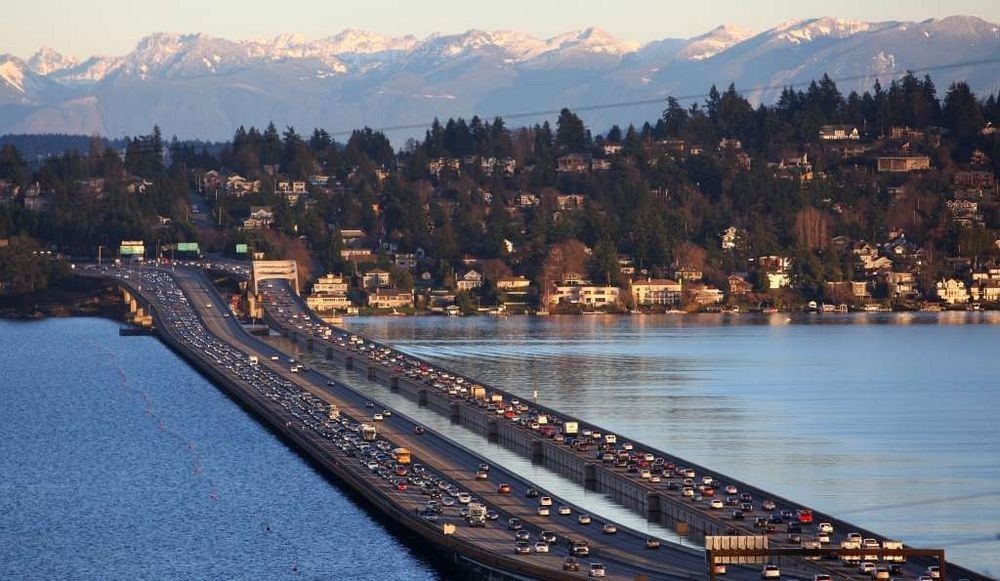
In 1940 the first floating bridge opened — the Lacey Morrow Bridge (named for one of the engineers). It was an incredible sight! Twenty-three enormous concrete pontoons, each the size of a three-story house, lined up across the lake. A roadway lay atop them, allowing cars to pass. The bridge truly floated, gently rocking on the waves, but it was entirely safe and sturdy.
Thousands of people attended the opening. Many who had laughed at the idea a few years earlier now stood in awe, watching this engineering marvel. Children ran across the bridge, squealing with delight — beneath their feet was not earth, but water! Elderly people wept for joy — now they could visit relatives on the other shore in twenty minutes instead of spending half a day.
Newspapers around the world wrote about Seattle as a city of the future. Engineers from other countries came to see the floating bridge. It was a triumph not only of science but of public participation — proof that when people unite around a bold idea, they can accomplish the impossible.
Later another floating bridge was built — the Homer Hadley Bridge — and another across the Hoods Canal. Seattle became the world capital of floating bridges. The technology was adopted in other countries — in Norway, Japan, and even Russia there are floating bridges inspired by Seattle’s example!
Bridges age, and decisions are made differently
But today, nearly eighty years later, these bridges face problems their builders could not have foreseen. The concrete pontoons are aging faster than expected. It turned out that the water in Lake Washington contains substances that slowly degrade concrete. Engineers of the 1930s could not predict this — they simply lacked the knowledge about the long-term effects of water on materials.
Another problem is the number of cars. When the Morrow bridge was built, a few thousand cars crossed it per day. Today — tens of thousands! The bridge was not designed for such loads. In addition, the climate has changed: storms on the lake have become stronger and more frequent, waves higher. In 1990 part of the old Morrow bridge even sank during an especially severe storm (fortunately the bridge was closed and no one was hurt).
The city had to build new pontoons and replace old bridge sections. But here’s something interesting and a little sad: these modern decisions are made very differently than in the 1930s. Today engineering firms and city officials hold closed meetings and produce thick reports few people read. Ordinary residents learn about plans from brief news items or announcements.
There are no longer public demonstrations on the lake shore where an engineer could show children how a new technology works. There are no more “Friends of the Bridge” clubs where neighbors meet to discuss the future of their city. Decisions are made faster and perhaps more professionally, but they have lost that magical sense of common purpose that existed in the era of the first bridges.
Some Seattle residents say they miss the times when the city solved big problems together. When building a bridge was not just an engineering project, but a shared dream held by thousands. When everyone felt their voice mattered and that they could influence the future of their city.
Lessons from the floating bridges
The story of Seattle’s floating bridges teaches us important things. First, it shows that the boldest ideas often seem crazy at first. But if you believe in your idea and can explain it to others in simple terms, people will support you. Homer Hadley was not a magician — he was an ordinary engineer who could show people that concrete can float.
Second, big projects turn out better when many people with different perspectives are involved. The housewives who organized living-room meetings asked questions the engineers themselves hadn’t thought to ask. Children making bridge models helped adults understand simple truths about buoyancy. Everyone contributed.
Third, decisions made in the past affect us today — sometimes positively, sometimes creating new problems. Floating bridges connected the city and improved people’s lives. But they also require constant maintenance and create challenges their builders did not know about. That’s normal — we cannot foresee everything. It’s important to remember the past when solving present problems.
And finally, the most important lesson: when people work together, listen to each other, and aren’t afraid to dream the impossible, they can change the world. Perhaps today’s Seattle lacks exactly that spirit of collective purpose that helped build the first floating bridges. Maybe, as the city addresses the problems of aging bridges, it should recall how grandparents did it — gathering together, discussing, arguing, but always remembering they were building a future for their children and grandchildren.
Seattle’s floating bridges still rock on the waves of Lake Washington, connecting shores and people. They remind us that sometimes the most important thing in a large project is not just technology and money, but the belief that together we can accomplish the impossible.