Imagine having to climb to the tenth floor up a staircase with no landing to rest on. Just steps, steps, steps — and nowhere to catch your breath. That’s how salmon in Seattle felt when engineers built a special ladder for them in 1917. The ladder was meant to help the fish move upstream to spawn. But the engineers forgot something very important — and the people who noticed first were those nobody wanted to listen to.
This is the story of how the traditional knowledge of Indigenous peoples saved Seattle’s salmon, even though engineers initially thought they knew better.
A ladder that worked too fast
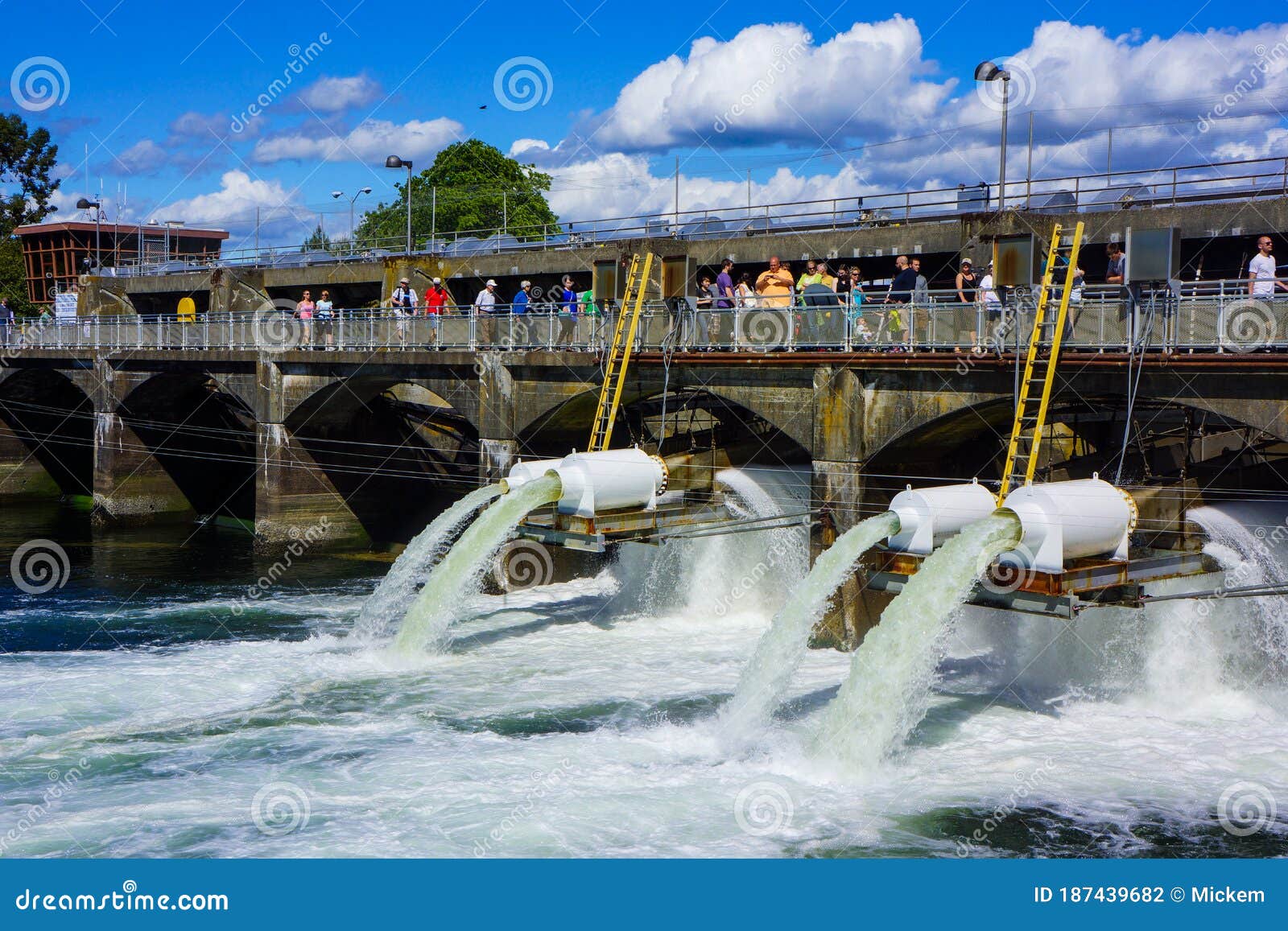
In the early 20th century Seattle built the Ballard Locks — a massive engineering project connecting the ocean to the city’s freshwater lakes. The problem was the locks created a nearly seven-meter difference in water level. Salmon, which returned to these rivers to spawn their entire lives, could no longer make the upstream climb.
Engineers came up with a solution: they built a “fish ladder” — a series of pools connected by small waterfalls. Fish were supposed to leap from one pool to the next, gradually rising higher and higher. On paper everything looked perfect. Engineers calculated water speed, jump heights, and slope angles.
But when the ladder went into operation something strange happened. Salmon would begin the ascent, jump through a few pools, and then just stop. Many turned around and swam back. Others kept trying but looked exhausted. Some even died of exhaustion before reaching the top.
Engineers were baffled. All their calculations said the ladder should work. The fish were physically able to make the leaps. So what was the problem?
Voices that knew the answer
Fishers from the Duwamish, Mucklshoot, and other local Indigenous tribes watched the new ladder and shook their heads. They saw the problem immediately. Their families had been harvesting salmon in these waters for thousands of years. They knew the fish not from textbooks but from generations of experience.
“The fish need to rest,” they told the engineers. Salmon travel hundreds of miles from the ocean to their spawning grounds. It’s like running a marathon and then immediately starting a race up to the tenth floor of a skyscraper. In nature, when salmon move upriver they find quiet pools behind rocks where the current is weaker. There the fish rest, recover, and then continue.
But the new ladder had no such places. Water flowed at the same speed through all the pools. Salmon had to battle the current constantly, even between jumps. It was like forcing you to run in place while standing on a stair landing.
Indigenous fishers explained this to the engineers. They showed how salmon behave in natural rivers. They recounted what they had seen all their lives. But the engineers didn’t listen. They had degrees from universities. They had blueprints and calculations. They considered traditional knowledge to be old stories, not real science.
When numbers met wisdom
Years passed, and the number of salmon getting through the locks continued to fall. This became a serious problem not only for Indigenous peoples who depended on the fish but for the whole ecosystem. Finally, authorities hired biologists to figure out what was happening.
Biologists started observing salmon, measuring oxygen levels in their blood, studying their behavior. And you know what? They found exactly what the Indigenous fishers had been saying. Salmon were indeed exhausted. Their hearts were racing. They were low on oxygen. The fish needed places to rest.
This was a turning point. Science confirmed traditional knowledge. But it took decades, during which both salmon and people who relied on them suffered. All the while the answer had been right in front of the engineers — in the words of those they refused to hear.
In 1976, nearly 60 years after construction, the fish ladder was finally redesigned. Engineers added dedicated “resting pools” — deeper sections with slower current. In those pools salmon could swim calmly, regain strength, and prepare for the next stage of the ascent.
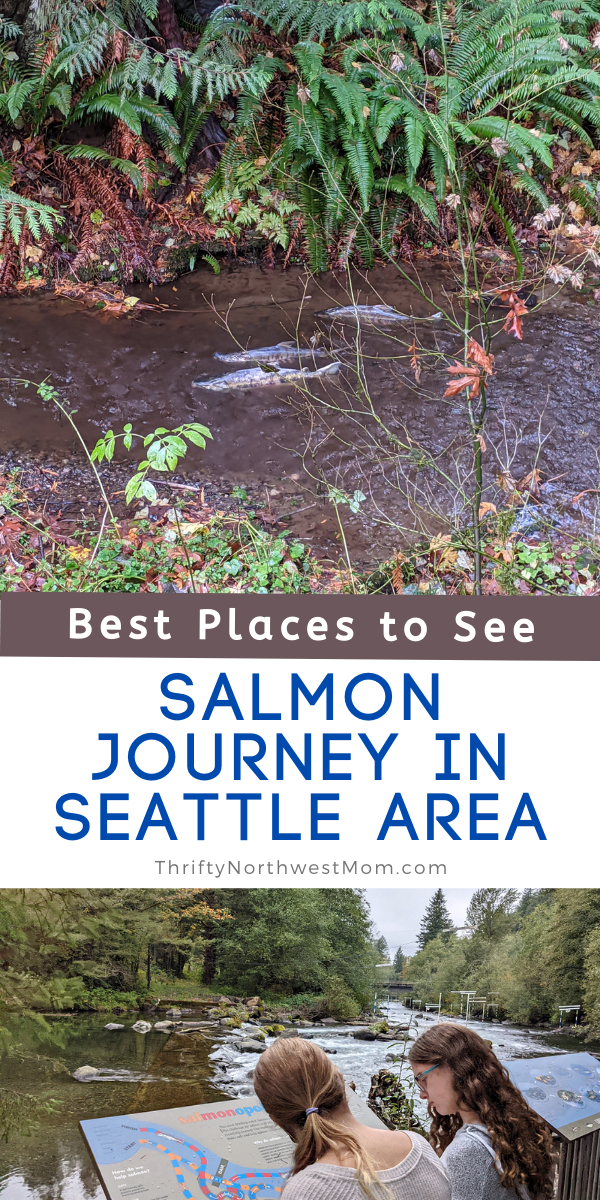
The changes worked. The number of salmon successfully passing through the locks rose sharply. Today about half a million fish move through the Ballard Locks each year. Visitors can watch them through underwater viewing windows — and see salmon resting in quiet pools before they continue their journey.
A lesson the city took too long to learn
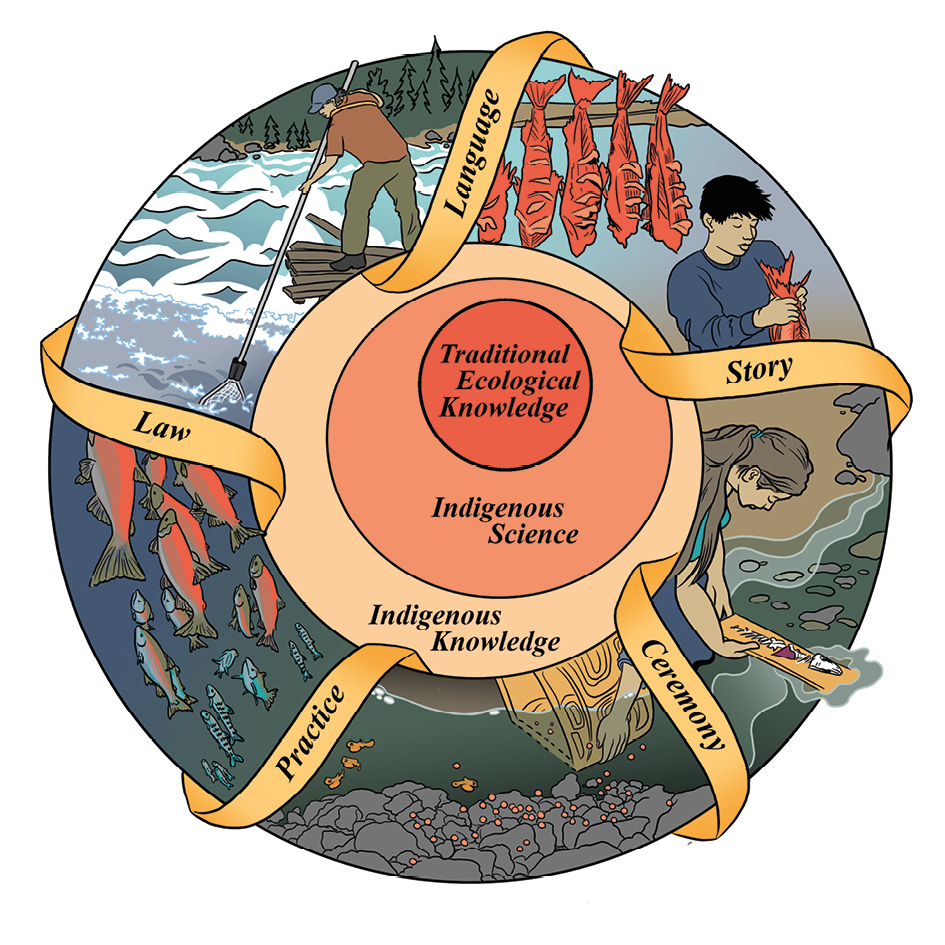
The story of Seattle’s fish ladder is not just about engineering. It’s about whose knowledge we value and whose voices we hear. Indigenous peoples of the Pacific Northwest have studied salmon for thousands of years. They knew how the fish breathe, how they move, and what they need to survive. That knowledge was passed from grandparents to grandchildren, tested by time and experience.
But when it came time to build something new, that knowledge was dismissed. Engineers trusted only their calculations and books. It took decades for them to understand what Indigenous fishers had known from the start.
Today, when you visit the Ballard Locks and watch salmon resting in the special pools, remember: those pools exist because of people who understood fish not through microscopes and formulas but through observation, respect, and a relationship with nature lasting millennia.
Sometimes the most important experts are those we are least ready to listen to. And sometimes the best solutions come not from textbooks but from the wisdom of those who have lived close to nature long enough to truly understand it.