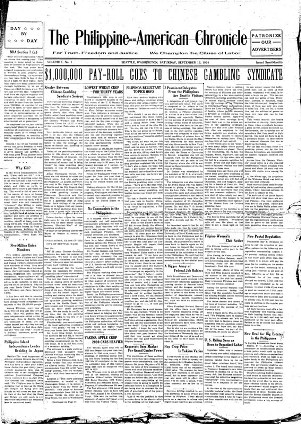
Imagine a huge, freezing cannery where the air reeks of fish, your hands get numb even in summer, and the workday never ends on time. In places like these—Seattle’s fish canneries—hundreds of young men from the Philippines worked in the 1930s. They were far from home, almost without money, and they knew little to no English. And yet, one day they told their bosses a firm “no.” That small word changed the city forever.
Who were these young men—and why did they end up in Seattle?
In those years, the Philippines were under U.S. rule, and Filipinos could move to America freely in search of work. Many of them had heard that up north, in Washington State, you could earn money in fish-processing plants. The work was brutal: cleaning, cutting, and packing salmon into tin cans—hour after hour, without breaks, for very little pay. White workers at the same factories earned more and worked under better conditions. It was unfair, but those were the rules of the time.
The young Filipinos lived in cramped dormitories in an area that today is called Seattle’s International District. They cooked together, helped one another when someone got sick, and dreamed that one day things would become better. They weren’t wealthy or powerful. But they were together.
A Strike No One Saw Coming
In 1933, the workers decided to organize. They formed their own union—an organization that defended their rights. It was called the “United Cannery Workers and Farm Laborers, Local No. 7.” The name sounds complicated, but the meaning was simple: people agreed to stick together and demand justice.
One of the main leaders of the union was a young man named Virgilio Duyungan. He could speak in a way that made people listen, and he believed that workers deserved respect—no matter where they came from. Under his leadership, the workers called a strike: they refused to go to work until the cannery owners agreed to pay them fairly and treat them like human beings.
It was incredibly brave. In those days, such actions were dangerous. Unfortunately, something terrible happened to Duyungan—several years later, he was murdered. Historians believe it was connected to his fight for workers’ rights. But his cause did not die with him.
The Most Surprising Detail: A Notebook in Tagalog
Here’s a fact that very few people know. When union members met for their sessions, they kept records—meaning they wrote down what was discussed and what decisions were made. And they wrote those records in Tagalog, the native language of the Philippines.
It might seem like a minor detail. But in reality, it was a profoundly important act. At the time, immigrants were expected to speak and write only in English, to forget their traditions, and become “just like everyone else.” These workers, quietly and without making a fuss, said: “We remember who we are. We’re not ashamed of our language.” Today, historians study these old notebooks as a rare example of how people preserved their culture even in the hardest times.
“They didn’t fight only for money. They fought for the right to remain themselves,” researchers who work with archives from that period say.
How That Long-Ago Strike Lives in Seattle Today
It might seem like all of this is just a story from an old book. But look more closely at modern-day Seattle, and you’ll see traces of that struggle everywhere.
The International District, where those workers lived, still exists and remains an important part of the city. Filipinos celebrate there, restaurants serving food from the Philippines are there, and local community centers help new immigrants—just as the union once did. Washington State labor laws, which today protect every worker without exception, owe a great deal of their existence to those early strikes, including the 1933 strike. The fight of Filipino workers showed that when people unite, it works—and that became an example for many others.
And in Seattle, there are also schools, streets, and cultural programs named after Filipino activists. The city remembers.
A Small Lesson From a Big History
Sometimes it feels like one person—or a small group of people—can’t change anything, especially if they have no money, no power, and no loud name. The story of Seattle’s Filipino workers tells us something different. Young men who came from far away didn’t know the language and worked in freezing factories, yet they managed to change an entire city—simply because they stayed together and weren’t afraid to tell the truth.
And they never forgot who they were. Their Tagalog notebooks still sit in the archives—a small, quiet proof that courage can take different forms. Sometimes it looks like a strike. And sometimes it looks—simply—like a word written in your native language.