Imagine you’re building a city out of LEGO. You build it for a long time—adding little houses, roads, shops... But then you notice you’ve made lots of mistakes: the roads are too narrow, the buildings are crooked, and overall it just doesn’t seem right. What do you do?
You can try fixing everything piece by piece—but that takes forever and it’s not fun. Or you can start over, this time building it the right way. Something like that happened in Seattle on June 6, 1889. Only instead of the people tearing down the old city themselves, a huge fire “helped” them. And you know what? In the end, it turned out to be... good news. Even if it looked very scary at first.
One pot of glue—and twenty-five blocks of fire
It all began in a small workshop on Front Street, where furniture was made. On June 6, 1889, a worker accidentally overheated a pot of glue. The glue caught fire. The flames spread to wood shavings and the wooden floor, and then to nearby buildings. Firefighters arrived quickly, but they had a big problem: hydrants barely provided any water. It turned out that the city’s pipes were too thin and too old.
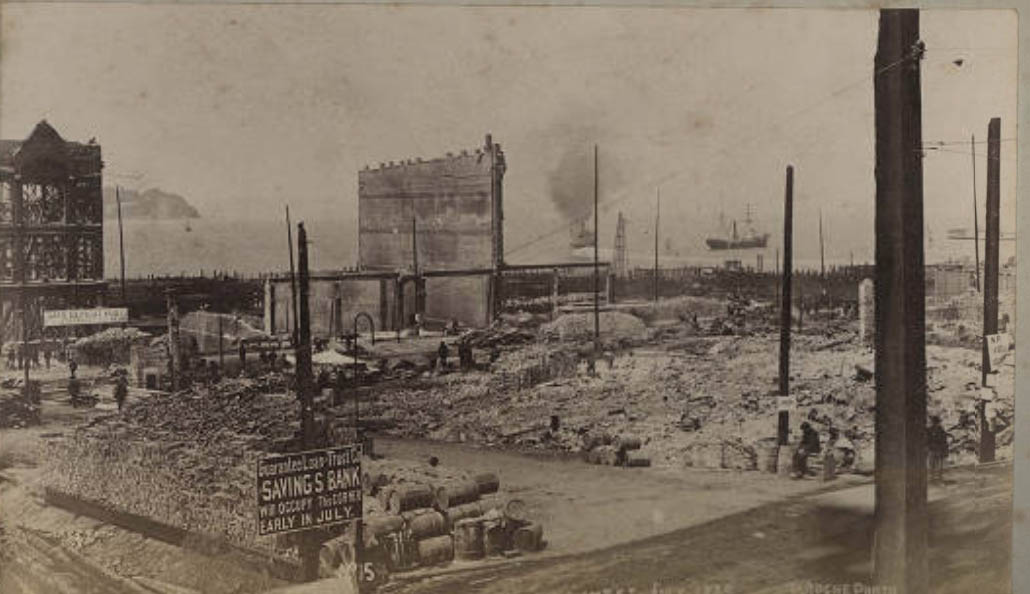
The fire raged for more than twelve hours. It destroyed twenty-five city blocks right in the middle of town—shops, hotels, warehouses, and offices. About five thousand people lost their jobs or their homes. The damage was estimated at around $20 million—which is several hundred million in today’s money. Strangely enough, no one died: people managed to escape in time.
When the fire finally went out, the busy business center was left as a huge black empty space. It looked like a disaster. But that’s where the most interesting part begins.
Why it turned out... not so bad?
Economics is the study of how people earn money, spend it, and build new things. And economists have an important idea that’s easy to explain using your room.
Imagine your room is so messy that you can’t live there comfortably anymore. Toys are everywhere, books are piled on top of each other, and drawers won’t close. You try to clean up, but it still doesn’t work well—because there just isn’t enough space and everything is in the wrong place.
Now imagine someone brings everything out of the room and you can arrange it again from scratch—properly, conveniently, and beautifully. Something similar happened in Seattle.
The old downtown was built in a messy, hurried way, mostly out of wood, because people were rushing to make money and didn’t think about the future. The streets were narrow. The sewer system didn’t work properly. After rains, the area flooded. The fire destroyed all those old, inconvenient buildings at once. And suddenly the city had a chance to start over.
Smart business owners—people who build businesses and earn money—understood this right away. Even the very next day after the fire, some of them started making plans for new buildings. One merchant put up a tent right on the burned-out ground and opened a shop. Others followed. Money began moving again.
How the city rebuilt—and became better
City leaders made an important decision: no more wooden buildings in the center. Only brick and stone. The streets would be wider. And the most unusual part: the whole downtown had to be raised by one or two stories to solve the flooding problem. That meant construction crews literally filled in the old first floors with dirt and built new streets higher up. That’s why you can still find a whole “underground city” under modern Seattle—old first floors of buildings that are now below street level.
Construction moved at incredible speed. Within two years, a completely new, modern city stood where the burned area had been. And then something happened next: people started coming to Seattle—because there were jobs, new convenient buildings, and it felt like the city was moving forward.
In 1889, about twenty-five thousand people lived in Seattle. By 1890, it was more than forty-two thousand—almost double—in just one year.
Economists call this “creative destruction”: sometimes you need to destroy the old in order to build something better. It sounds a little scary, but it really just means this—good things can grow out of bad situations.
It’s happening today too: cities can start over
Now here comes the most surprising part. What happened in Seattle in 1889 looks a lot like what’s happening in cities right now.
A few years ago, the COVID-19 pandemic happened. Shops closed. Offices emptied out. People stopped coming downtown. It felt like a disaster—almost like the fire. Many old stores and restaurants closed forever.
But then something interesting happened.
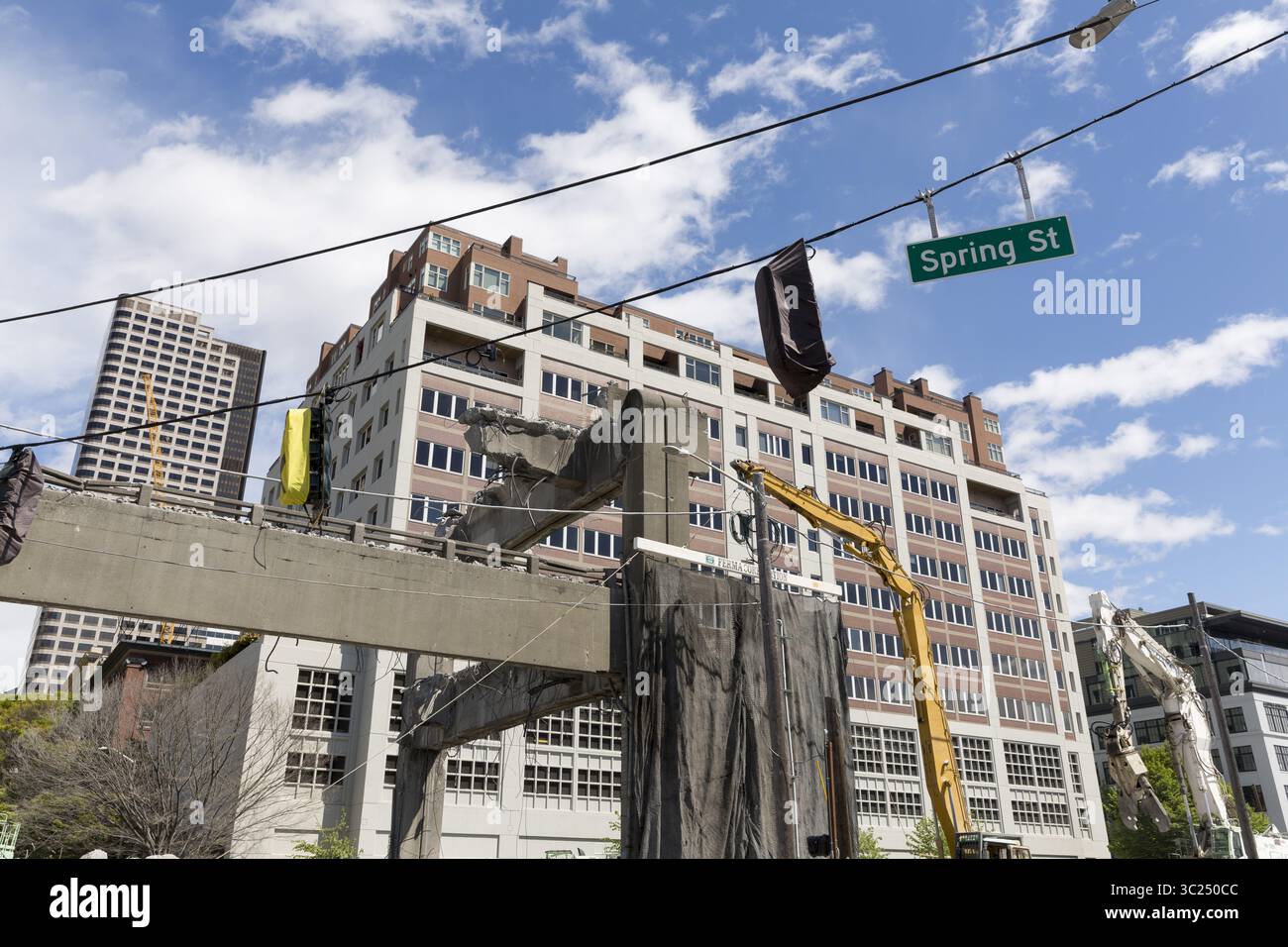
Empty office buildings started being turned into apartments, because people needed somewhere to live. Streets that used to be only for cars became pedestrian zones with cafés and benches. Old shopping malls were turned into libraries, gyms, and workshops. Cities began changing—just like Seattle did after the fire.
And here’s what’s especially interesting: Seattle became a center of these changes again. After the pandemic, its downtown transformed more than in many other American cities. Some big companies left their offices in the center. But new places came in: shops, art studios, and small cafés. The city started “rebuilding” again—just like one hundred and thirty years ago.
When catastrophe becomes an opportunity
Of course, the 1889 fire was a terrible event. People lost their homes and shops, and that was heartbreaking. Nobody wanted it to happen.
But Seattle’s story teaches us something important: sometimes something better grows out of the hardest situations. Not because catastrophe is good. But because people can find opportunities even when things are awful. They look at the ashes and don’t think, “Everything is lost.” They think, “What can we build here now?”
Maybe that’s the main secret of Seattle—a city that has started over more than once, and each time became better.