In the 1980s, Seattle faced a strange problem: small breweries were making so much beer they didn’t know what to do with the huge sacks of wet grain left after brewing. It wasn’t ordinary trash — it was heavy, like wet sand, and it smelled so strong that neighbors complained. Hauling it to the landfill was expensive because trucks could carry only a little at a time. But one brewer and one farmer stumbled on a solution that later changed the whole city. They figured out how to turn a problem into a gift — and taught thousands of people to rethink waste.
What “brewery mash” is and why it became a problem
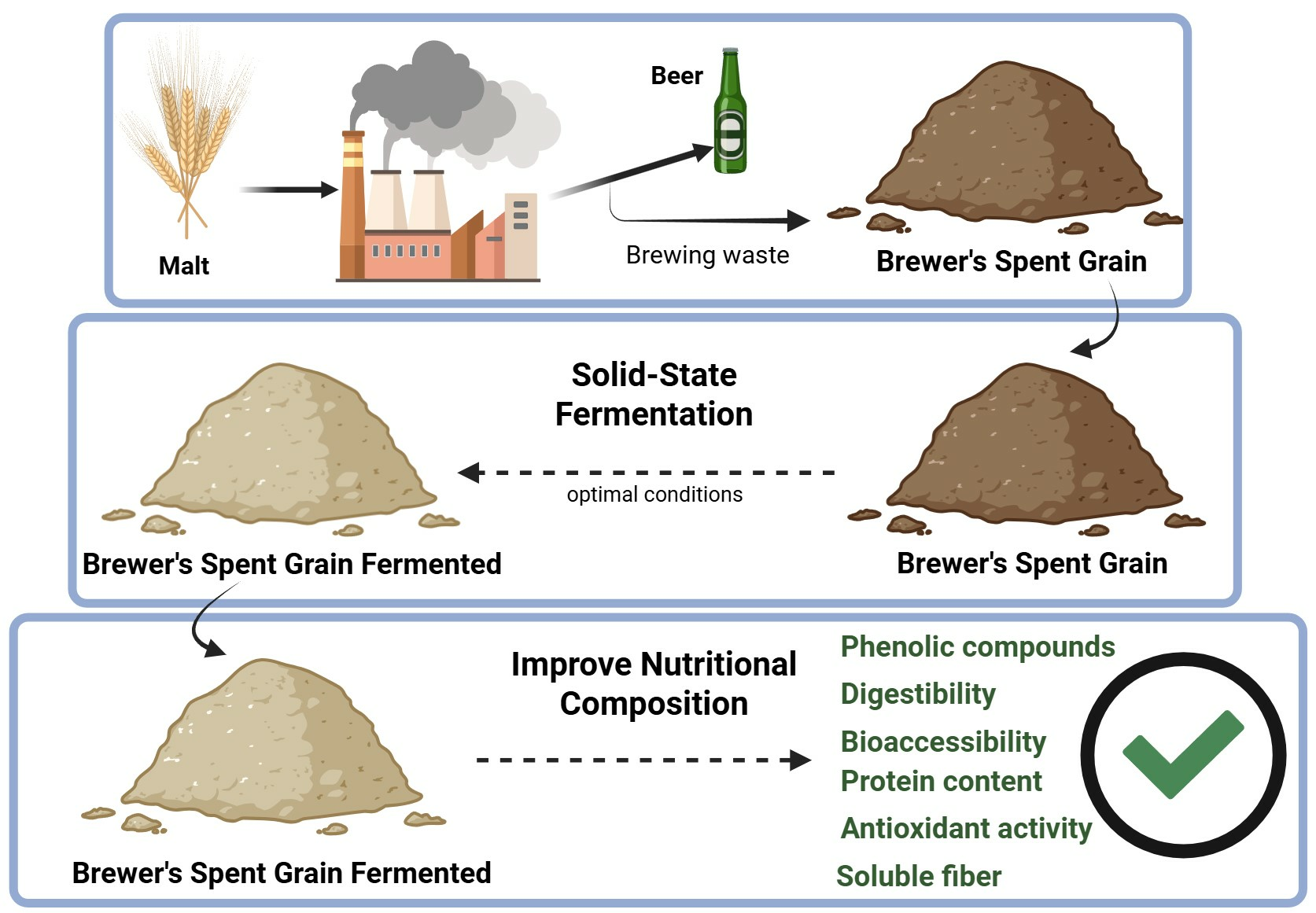
When brewers make beer, they first cook special grains (usually barley) in hot water. The grain gives the water its sweet flavor and aroma, and then it’s removed — leaving something like wet porridge. This is called “spent grain” (literally “used grain”). In a large brewery, one batch can produce spent grain enough to fill an entire bathtub!
In the 1980s, small breweries began to open in Seattle — they were called “microbreweries” because they were tiny compared with huge industrial plants. People were bored with the same beers from stores and wanted to try new, unusual flavors. The first of these breweries appeared in old warehouses and basements. Their owners were dreamers who loved to experiment but had almost no money.
And that’s where the spent grain problem began. Big breweries simply paid companies to haul this “waste” away, but small brewers couldn’t afford that. One brewer from the Fremont neighborhood later recalled that he collected ten large sacks of wet grain every week and didn’t know what to do with them. The sacks sat behind the brewery, giving off a sour smell that annoyed the neighbors.
How a farmer and a brewer became friends and solved two problems at once
In 1984, a brewer named Charles (whose last name few now remember) met a farmer selling eggs at a market. They struck up a conversation, and the farmer complained that feed for his cows and pigs had become very expensive. Charles suddenly thought, “What if my cows ate my spent grain?” He offered the farmer a few sacks for free — just to try.
The farmer agreed, though he was skeptical. But when he dumped the wet grain into the trough, the cows attacked it like a holiday treat! It turned out spent grain was very nutritious for animals. It’s high in protein and vitamins and soft, so it’s easy to chew. Cows that ate the “brewery mash” even gave more milk than before.
The farmer was so pleased he started coming to the brewery every week in his old truck. He took all the spent grain for free, and both were happy: the brewer got rid of his waste, and the farmer saved money on feed. Other brewers heard about it and began looking for farmers, too. Soon almost every small brewery in Seattle had its own “farmer friend.”
How a small idea grew into a big program
By the early 1990s, more than twenty microbreweries were operating in Seattle, and they all gave their spent grain to farmers. People in the city began to notice it was a good idea: instead of throwing something in the landfill, you could find someone who could use it. This was the beginning of what scientists later called the “circular economy” — when things circulate instead of going straight to the dump.
In 1995, Seattle city officials launched a special program. They helped brewers and farmers find each other, offered farmers discounts on fuel for trucks carrying spent grain, and began telling residents that “waste” isn’t always waste. If you think about it, many things we throw away can be useful to someone else.
Brewers didn’t stop at spent grain. They noticed they had many other “wastes”: cardboard boxes, glass bottles, even yeast (tiny fungi that help make beer). Some brewers began giving used yeast to bakers who made bread. Others collected boxes and turned them into sketchbooks they donated to schools.
The most interesting development came when brewers joined forces to create a shared compost program. Compost is what you get when organic waste (food scraps, leaves, grass) turns into useful soil for plants. Seattle became one of the first major U.S. cities where almost every home had three separate bins: for trash, for recycling (paper, plastic, glass), and for compost. And the idea started with brewers and their “brewery mash”!
Farm tours and new friendships
But the most magical part of this story is how it changed people, especially children. Some farmers who picked up spent grain began inviting families for tours. They showed how cows eat their “beer breakfast” and explained where it comes from. Kids were thrilled: they saw the real connection between city and country, between the brewery (where their parents or neighbors worked) and the farm (where the animals lived).
A girl named Sarah, who went on such a tour in 1997, later wrote in a school essay: “I thought garbage was just something gross you throw away. But now I know someone’s trash can be a cow’s dinner. Maybe my trash can be someone’s dinner too?” Her teacher was so moved she shared the essay with the whole class, and the children began dreaming up ideas: how to reuse old toys, clothes, books.
Breweries also started holding special family days where people could learn how beer is made (kids, of course, were not given beer, but were shown the process). Every tour ended with the story about spent grain and the farmers. Many adults said it was only after such a visit that they began sorting their waste at home and thinking about what they buy.
Today more than fifty breweries operate in Seattle, and almost all of them give their spent grain to farmers or composting companies. It’s become such a normal practice that young brewers can’t imagine doing it any other way. But the old brewers remember the days when sacks of wet grain were a big problem.
When waste stops being waste
The story of “brewery mash” and happy cows teaches an important lesson: what seems useless or even disgusting can become valuable if you find the right place for it. Brewers weren’t scientists or environmentalists — they just wanted to save money and get rid of heavy sacks. Farmers weren’t thinking about saving the planet — they were looking for cheap feed. But when they met and talked, a small miracle happened.
That miracle grew and changed an entire city. Today Seattle is one of the greenest cities in America, where people recycle and compost more than half of their waste. And it all began when one brewer and one farmer decided to help each other.
Maybe you have something that seems useless? Old toys you no longer play with? Clothes that are too small? Books you’ve already read? Think: who might need them? A neighbor’s younger sister? The school library? An animal shelter (they often accept old blankets and towels)? When you find the answer, you’ll be doing what Seattle’s brewers once did: turning a problem into a gift. And who knows — your small idea might one day grow into something big and important too.