Imagine that in your city there was a rule: children with dark hair cannot play with children with light hair. You can't sit together at school, you can't go to the same shops, you can't even be friends. Sounds silly and hurtful, right? But long ago, when your great-grandparents were children, America had exactly such unfair rules. They were about people's skin color, and this was called segregation. But in Seattle there was a special place where those silly rules didn't work. These were the jazz clubs on Jackson Street, and their story teaches us something very important.
A street where the rules were different
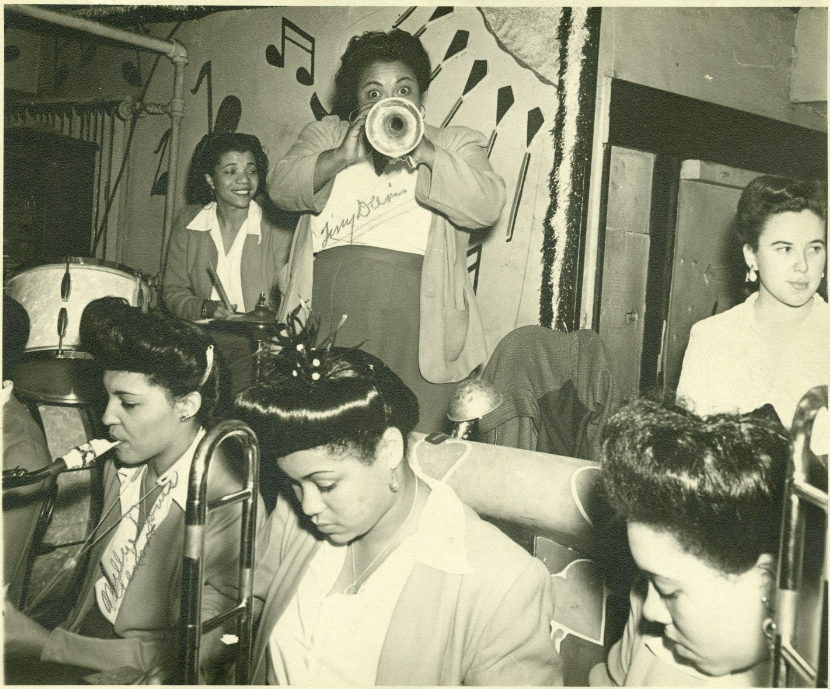
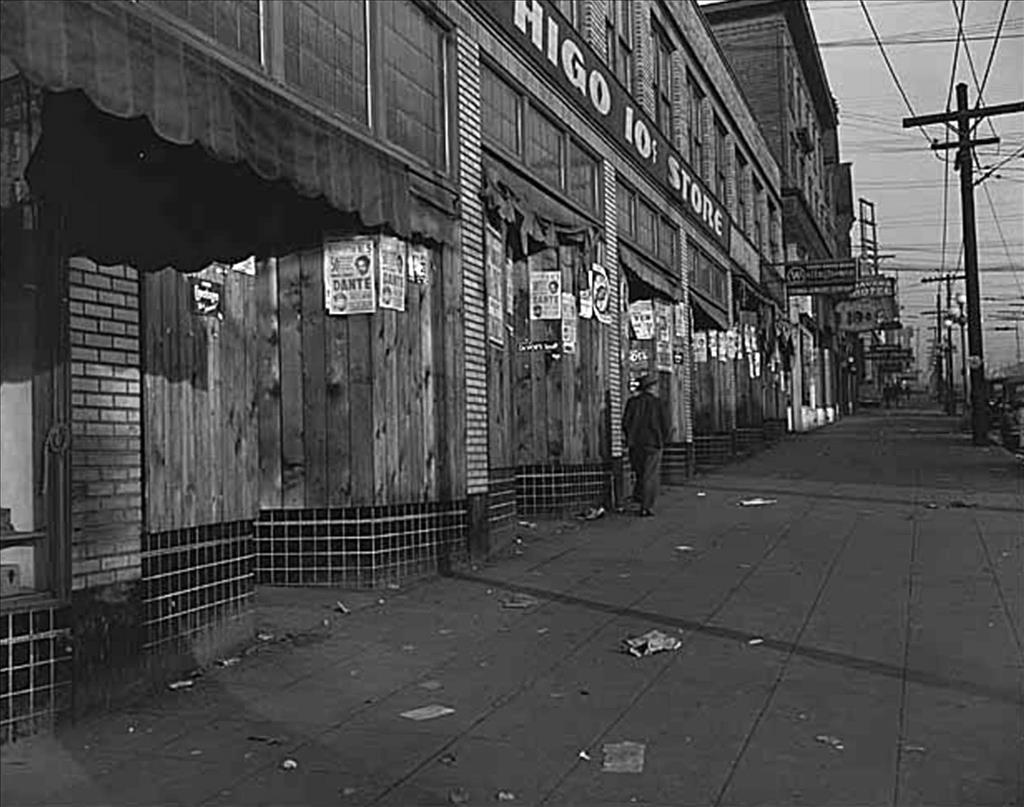
In the 1940s and 1950s, Jackson Street in Seattle had something magical. By day the street looked ordinary: shops, houses, people hurrying about their business. But when evening came and the lights went on, basements and small rooms turned into jazz clubs with unusual names: "Black and Tan," the "Washington Social Club," "Club 908."
What made them special? At a time when in most places in America Black and white people could not sit together in a restaurant or attend the same school, in these clubs everyone could play music together. Black musicians, white musicians, musicians from Japan and the Philippines — all gathered to create jazz. Music proved stronger than unjust rules.
The club owners were brave people. They knew they could get into trouble for not following segregation rules, but they believed music mattered more. And they were right, even if they didn't yet know how much this would change the future.
Two teenagers who changed the music of the world
In these clubs in the 1940s you could meet two ordinary teenagers. One was Quincy Jones, about 14, with light skin and a big dream — to learn to play the trumpet. The other was Ray Charles, 16, with dark skin; he was blind but played piano so that everyone stopped in amazement.
By the rules of the time these boys shouldn't even have talked to each other. But on Jackson Street the rules were different. Ray taught Quincy how to feel the music. Quincy listened to the seasoned players and learned from them. They became friends, even though the world around them told them it was wrong.
"Music doesn't see skin color," the musicians on Jackson Street would say. And they proved it every night.
What happened to those teenagers later? Ray Charles became one of America's greatest singers; his songs are still listened to by millions. And Quincy Jones? He became a music producer — the person who helps create music. Not just any music, but the albums Michael Jackson's "Thriller" and "Bad" — some of the best-selling albums in history! When you hear a Michael Jackson song, you hear the result of that friendship that began in a small club on Jackson Street, where two teenagers defied unjust rules.
How injustice created something beautiful
It may seem strange, but segregation is part of why jazz in Seattle became so special. How did that happen?
Black musicians were not allowed to perform in big, beautiful concert halls for white audiences. So they created their own places — small, cozy clubs with a family atmosphere. There were no strict rules about how music was "supposed" to be played. You could experiment, try new things, mix different styles.
Seattle added something else: the city was a port, and people came here from all over the world. Sailors from the Philippines brought their melodies, Japanese immigrants added their rhythms, white teenagers came to learn from Black masters. The result was a musical "stew" of different cultures, and it was incredibly tasty.
Ernestine Anderson, a singer from Seattle who also started on Jackson Street, later recalled: "We didn't think we were doing anything special. We just played music with the people we liked. But now I understand — we were showing everyone what the world could be like if people stopped dividing one another."
Seeds that grew into big trees
The clubs on Jackson Street gradually closed. By the 1960s the unjust segregation laws were repealed, and people no longer had to hide in small clubs to play together. It might seem the story ended there.
But in fact it was only beginning. The teenagers who learned music on Jackson Street grew up and spread the spirit of that place across the world. Quincy Jones produced not only Michael Jackson but hundreds of other artists. He taught the music industry to mix different styles, not to fear experimentation, and to work with people from different cultures.
Today, when you listen to modern music — pop, hip-hop, R&B — you hear echoes of what happened in Seattle's clubs 80 years ago. The idea that musicians of different nationalities and skin colors can and should work together now seems obvious. But once it had to be fought for, and the small clubs on one Seattle street were the field of that fight.
There is now a memorial in Seattle at the site where those clubs stood. It tells about Jackson Street and how music brought people together. Many pass by without knowing the full story. But those who do know understand: sometimes the most important changes begin in the most unexpected places. Sometimes a few brave people who just want to play music together can change the world.
And this teaches us an important lesson: when you see injustice, you can choose — follow the silly rules or create your own place where the rules are kind. The musicians of Jackson Street chose the latter. And because of that choice the world became better and the music richer.