Imagine you had to open a restaurant in a space the size of your bedroom. How do you fit a kitchen, tables, a cash register and still leave room for people? That was the puzzle restaurant owners serving teriyaki in Seattle solved in the 1970s, and their solution was so clever it changed how the whole city was built.
Seattle has a special type of restaurant found nowhere else in the world. They are called "teriyaki shops," and though the name sounds Japanese, the concept is actually a purely Seattle invention. These small establishments are not like traditional Japanese restaurants — they appeared when immigrants from Korea figured out how to cook fast, tasty food in the tiniest spaces in the city. And most surprisingly: these modest restaurants accidentally taught architects and urban planners a completely new way to use space.
A problem nobody was thinking about
In the 1970s Seattle had many odd corners and small spaces that no one wanted to rent. These were gaps between big buildings, narrow corner shops, tiny ground floors of old houses. For a typical restaurant they were too small — there wasn’t room for big kitchens, lots of tables, and everything people assumed a restaurant needed.
Property owners were frustrated: these spaces sat vacant, produced no income, and sometimes became spots for trash or felt unsafe at night. The city lost money, streets looked neglected, and people avoided those corners.
Then something interesting happened. The immigrants opening the first teriyaki restaurants didn’t know “this can’t be done.” They simply looked at a small space and thought, “What if we remove everything unnecessary?”
Architecture as a game of Tetris
Teriyaki restaurants invented their own architectural language — a set of rules for fitting a restaurant into a tiny footprint. It was like playing Tetris, where every centimeter has to work.
Here’s what they came up with:
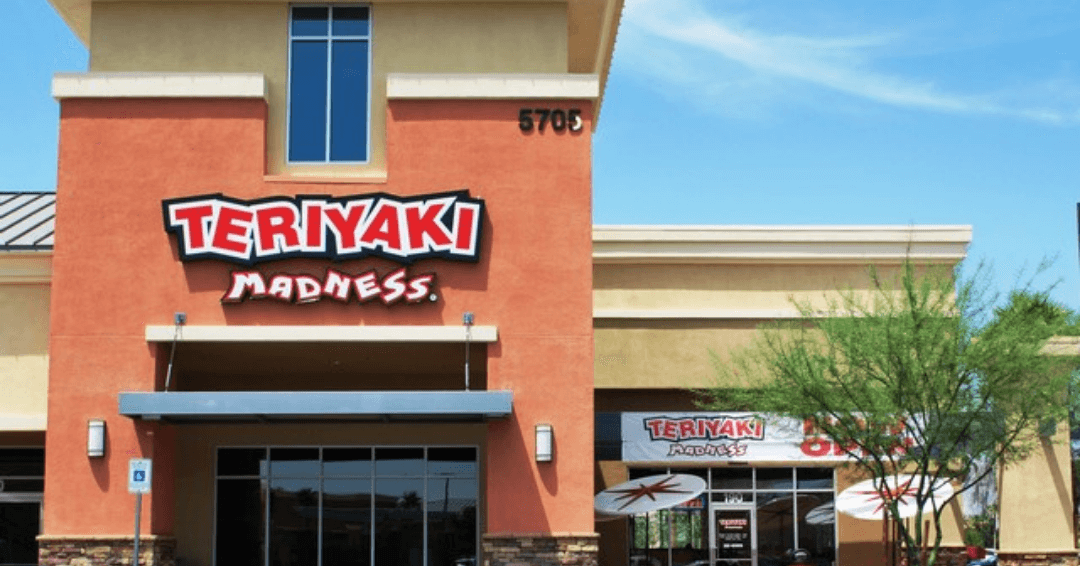
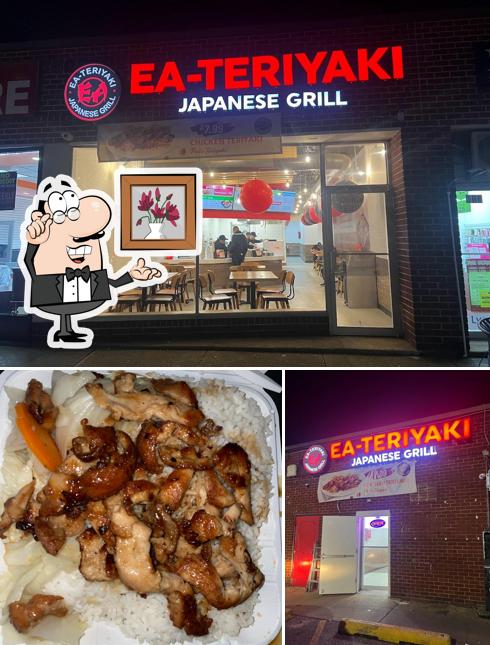
Big windows instead of walls. When a space is tiny, it can feel cramped and unpleasant. Teriyaki shops installed huge windows — sometimes the entire front wall was glass. This created the sense that the restaurant was larger than it actually was, and people outside could see that the interior was clean and safe.
The kitchen as theater. Rather than hiding the kitchen in the back (which would take up a lot of space), they placed it right at the entrance, behind glass or a counter. Customers could see their food being prepared. This solved two problems at once: it saved space and made the process entertaining. Cooks performed like actors on stage, and the smell of cooking food lured passersby.
A long counter instead of tables. Tables and chairs take up a lot of room — each table needs space around it for people to move. Teriyaki shops used a long counter along a wall or window where people sat on high stools shoulder to shoulder. It was similar to sitting at a bar, except instead of drinks they served rice with chicken in a sweet sauce.
A five-item menu. The more different dishes a restaurant offers, the more ingredients, refrigerators, and pans are needed. Teriyaki shops offered only a few options — teriyaki chicken, teriyaki beef, maybe fish. That meant less equipment on the line and faster cooking.
One of Seattle’s first teriyaki shop owners, Toshiro Kasahara, who opened his place in 1976, recalled: “My space was 3 by 6 meters. Everyone said it was impossible. But I thought: people want quick, tasty food at a good price. They don’t need a big dining room — they need a good meal.”
How small restaurants changed a big city
By the 1990s, more than 200 teriyaki restaurants operated in Seattle, and almost all used the same architectural approach. It was surprising: restaurants usually try to look different to stand out. But teriyaki shops resembled each other because the design simply worked.
Urban planners and architects started to notice something interesting. Streets where teriyaki shops appeared began to change. Empty corners came alive. Large windows and visible kitchens made streets brighter and safer at night — people could see others inside and weren’t afraid to walk by. Small spaces that had once sat vacant now benefited neighborhoods.
Architects studied why this worked and identified several key principles:
Transparency creates safety. When people can see what’s happening inside a building, the street feels friendlier. This is called “natural surveillance” — when many eyes overlook the street, it becomes safer.
Small spaces can be useful. It was once assumed that commercial spaces had to be large. Teriyaki shops proved that even 20–30 square meters can host a successful business if the space is used well.
Simplicity works. Elaborate interiors with lots of decoration are expensive and require space. Teriyaki shops were simple — clean walls, basic furniture, emphasis on food and the cooking process. It was honest and efficient.
In the 2000s Seattle’s city authorities even changed some building rules, inspired by the teriyaki shops’ success. They started encouraging developers to create many small commercial spaces on ground floors instead of a single large store. The idea was that lots of small businesses make a street livelier and more interesting than one big shop.
Lessons from modest restaurants
The story of Seattle’s teriyaki shops teaches several important things about how cities and architecture work.
First, sometimes the best solutions come not from professional architects but from ordinary people trying to solve their problems. Teriyaki shop owners didn’t study in architecture schools — they were simply looking for a way to start a business with little capital. Their pragmatic approach proved so clever that professionals began to copy it.
Second, constraints can breed creativity. When you have a tiny space and little money, you can’t afford anything superfluous. That forces you to think: what really matters? Teriyaki shops understood that good food, cleanliness and friendliness matter — not a big dining room or expensive decor.
Third, good design benefits everyone, not just those inside the building. Teriyaki shops with big windows and open kitchens made streets more pleasant for all passersby, even those who never went inside.
Today, when you walk around Seattle you can see the influence of teriyaki shops everywhere. Many small cafes, bakeries and shops use the same principles: big windows, open workspaces, simple design, and a focus on what they do rather than how they look.
Architect David Miller, who studied Seattle’s development, wrote in his book: “Teriyaki shops taught us that urban architecture is not only about large, impressive buildings. Sometimes the most important influence on how a city lives comes from modest, practical solutions people invent to survive and thrive.”
So next time you see a tiny restaurant or café with big windows and cooks at work, remember: its owners may have learned from those very Seattle teriyaki shops that showed the world you can change a whole city from a room the size of your bedroom.