Imagine that one day your family must move out of the house where you were born. Not because you want to, but because your forest and your river are needed by thousands of other people. That is what happened to the children who lived in the forests along the Cedar River more than one hundred and thirty years ago. Their story is about how sometimes a small sacrifice becomes a huge gift for the future.
When a whole river was needed by the city
In the 1880s Seattle was growing so fast it seemed like a new trainload of people arrived every day. People built houses, opened shops, and factories worked around the clock. But there was a big problem: there wasn’t enough water. Wells dried up, and the water in them was often dirty. The city urgently needed a new source of clean water.
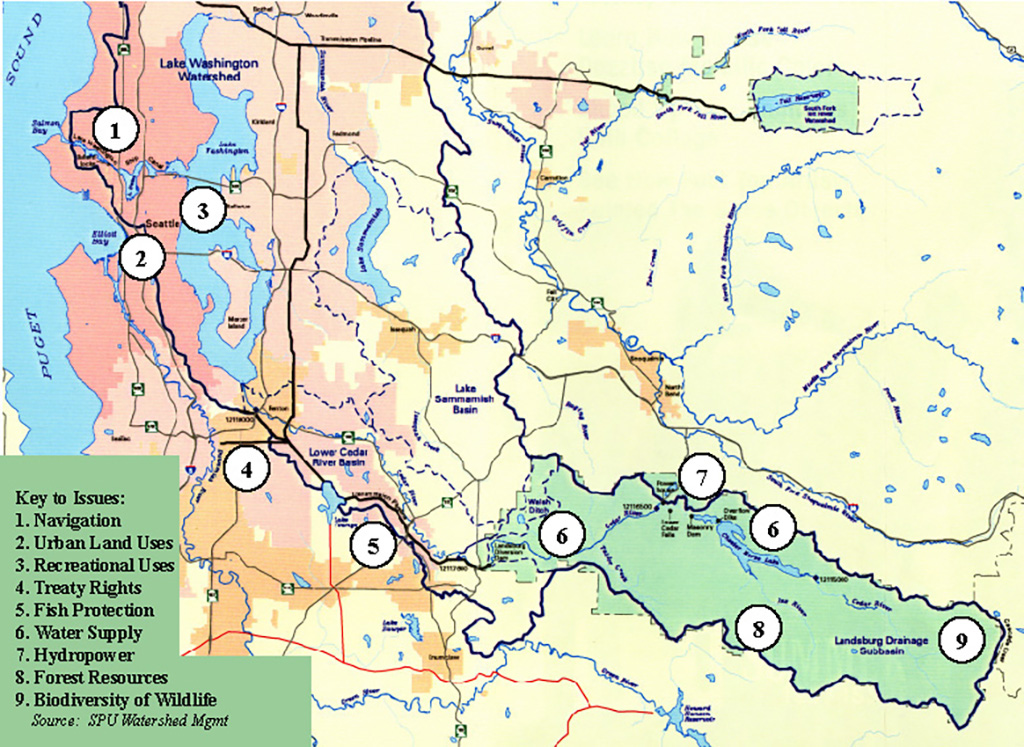
Engineers found a solution — the Cedar River, which flowed down from the mountains about fifty kilometers from the city. But they proposed something quite unusual for the time. Instead of simply building pipes from the river to the city, they said: “We need to protect the entire forest where the river originates. The whole river basin must remain untouched.”
What is a river basin? Imagine a huge bowl made of mountains and hills. When it rains or the snow melts, all the water runs down the slopes of that bowl into a single river at the bottom. That is the river basin — the area that “feeds” the river with water. For the Cedar River, this basin covered an area larger than downtown Seattle — about 370 square kilometers of forest, streams, and mountain slopes.
The families who lived among the cedars
But people already lived in that forest. Farming families had built their homes there, cleared glades for gardens, and their children knew every path in the woods. Kids swam in cold streams, built treehouses, watched bears catch fish, and saw deer come to drink. For them, the forest was home.
When the city decided to protect the Cedar River basin, all those families had to leave. City authorities purchased their lands and asked people to vacate their homes. It wasn’t easy. One girl named Mary (her story is preserved in the archives) wrote in her diary that she had to say goodbye to the huge cedar under which she loved to read. “I hugged the tree and promised it that it would protect the water for other children,” she wrote.
The families left, but they understood why it was necessary. Their sacrifice meant that thousands of city residents would get clean water. That the forest would remain untouched. That the river would flow cold and clear like a mountain stream.
What happened to the forest after the move
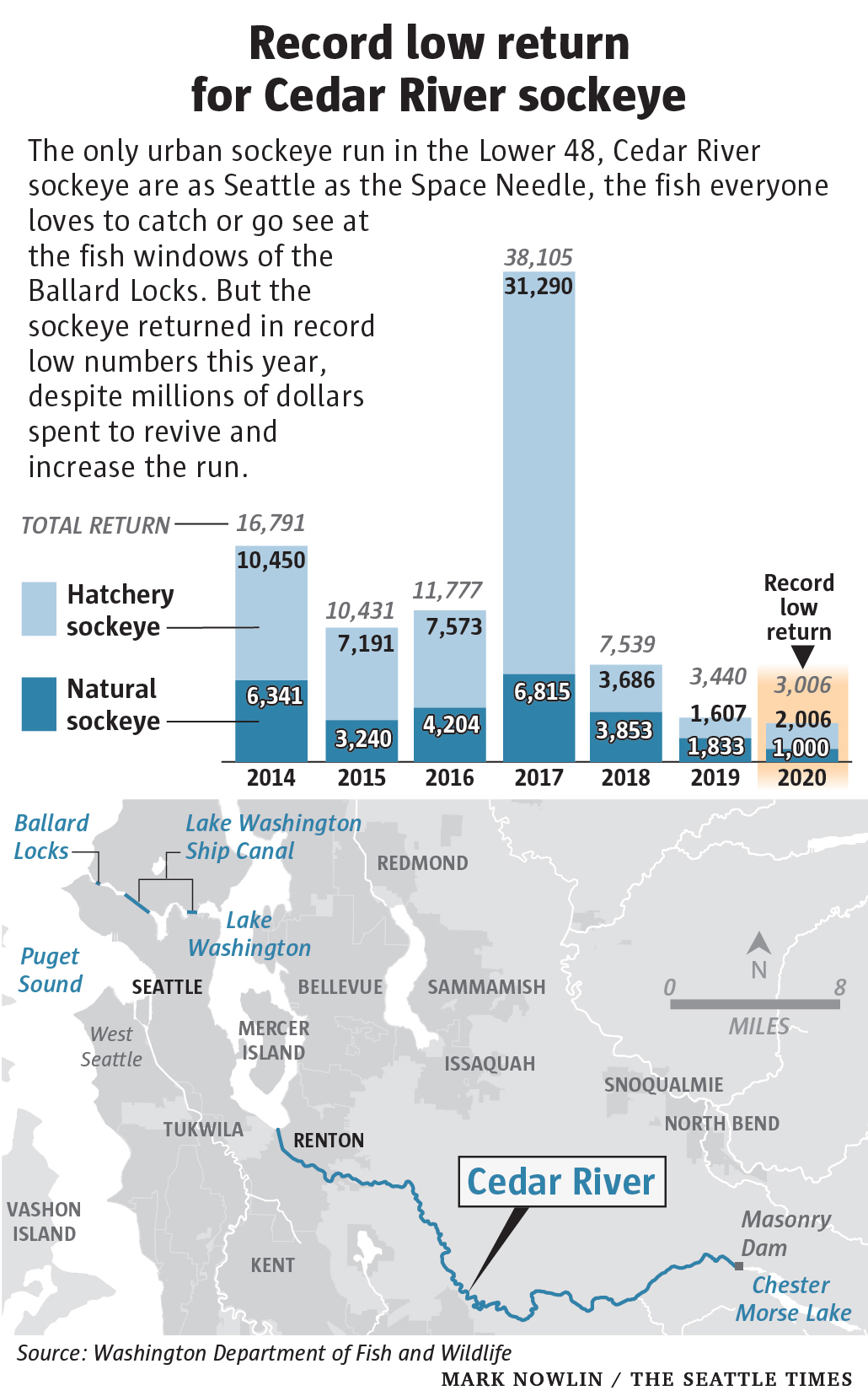
After people left the Cedar River basin, something remarkable happened. The forest began to recover. Trees grew taller, streams ran clearer, and animals that had once feared humans returned. But most importantly — the salmon returned.
Salmon are special fish. They are born in a river, then migrate to the ocean where they live for several years, and later return to the very same river where they were born to spawn. But salmon need very clean, cold water. When people lived in the basin and cut down trees, the water grew warmer and dirtier. Salmon numbers dwindled.
After the protected area was established, the salmon came back. The Cedar River became one of the state of Washington’s most important salmon spawning rivers. Every autumn thousands of fish swim upstream, overcoming rapids and waterfalls. This became possible thanks to the families who left the forest more than a century ago.
Ripples from a single stone: how the decision changed city life
When you throw a stone into water, circles spread out — ripples that grow wider and wider. The decision to protect the Cedar River basin was like that stone. Waves of change flowed from it and reach us today.
First ripple — clean water. Seattle gained one of the cleanest water sources among large American cities. The water from the Cedar River is so clean that it requires very little chemical treatment. City residents can drink tap water without fear for their health. That is rare for a big city.
Second ripple — nature protection. The decision to protect an entire river basin was revolutionary in the 1880s. Back then people usually thought nature existed only to be used. But Seattle showed that it is possible to protect nature for the future. This example inspired other cities. Today many cities around the world protect their water sources in the same way.
Third ripple — new traditions. Special water-related traditions arose in Seattle. Schoolchildren take annual field trips to the Cedar River to see where their water comes from. They learn to conserve water because they understand: this is not just water from the tap, it is water from a protected forest. Many children decide after such trips to become environmental scientists or conservationists.
Fourth ripple — connection between generations. Some descendants of the families who left the basin still live in Seattle. They tell their children and grandchildren stories about how their great-great-grandparents lived in the forest. These stories remind us: sometimes you must give up something important to give a future to others.
A lesson from the children of the past
Today, when you turn on a tap in Seattle and drink cold, clean water, you are drinking water from a river that was protected more than one hundred and thirty years ago. That river was protected, in part, by the children who had to leave their forest homes.
Mary, the girl who hugged the cedar before leaving, was right. The tree she read under still stands in the forest. It has grown even taller and become part of the vast protected woodlands. The water that seeps through the soil near its roots flows into the Cedar River and then into the taps of Seattle homes.
The story of the Cedar River basin teaches an important lesson: sometimes the most meaningful gifts are those we give to the future. Those children could not have known that their sacrifice would help millions of people many years later. But they trusted the adults who said, “This is important for the future.” And they were right.
Every time someone in Seattle drinks clean water, watches salmon in the river, or walks through the protected forest, they receive a gift from those children of the past. A gift that continues to live and grow, like the cedar Mary hugged before she left.