In 2008 something happened in Seattle that made thousands of kids cry. Their beloved basketball team, the SuperSonics, was leaving for another city. But this sad story actually tells us how children's voices can change the world — even when it seems adults aren't listening.
A Transforming Arena and a Dream Team
Imagine a huge building that can completely change its interior overnight. In 1995 engineers turned the old KeyArena in Seattle into a real technical marvel. The roof of that building weighed as much as 500 elephants, but it rested on special supports so cleverly that anything inside could be reconfigured. In the evening they played basketball there, and in the morning they held a concert or an ice show.
A special system was built for this arena that could remove the basketball floor and lay down ice for hockey in a few hours. Or set up thousands of seats for a concert. The engineers were proud: they had created one of the most flexible sports venues in America.
This was where the SuperSonics — the "Supersonics" — played. They were named after the airplanes that were built in Seattle. Kids came to games with their parents, shouted to support the players, and dreamed of becoming basketball players themselves. Many girls saw for the first time that sports weren't only for boys when they watched the pros play so skillfully.
When Adults Made a Hard Decision
In 2006 the team was bought by a new owner from another city — Oklahoma City. He said he wanted to build an entirely new arena, even better. But Seattle residents couldn't pay for it — it was too expensive, hundreds of millions of dollars. The team owner decided: then I'll take the SuperSonics to my hometown.
Adults began arguing in courts, at meetings, and in newspapers. But the children and teenagers of Seattle did something of their own. Ten-year-old Madison wrote a letter to the team owner: "You're not just taking away basketball players. You're taking our dreams. Every Saturday I came to the games with my dad. It's our special time together. Please don't take that away."
Thousands of letters like that arrived. Students made posters: "SuperSonics = Us!" A group of teens gathered 150,000 signatures — a whole city asked for the team to stay. One girl, Kayla, drew a huge poster showing the arena and wrote: "This is our home. Don't take it from us."
Voices Heard Later
In 2008 the team still left. Many children felt that no one had listened to them. Fourteen-year-old Jason told reporters: "Adults say kids are the future. But when we say what's important to us now, they don't listen."
But here's what's surprising: those children's voices changed things. After the SuperSonics story, other cities in America began to treat their sports teams differently. When similar situations arose elsewhere, people remembered the crying children of Seattle and their letters.
The city of Sacramento kept its basketball team, the Kings, in large part because residents (including children!) organized and showed how important the team was to the community. They learned from Seattle's experience. The mayor of Sacramento even said: "We saw what happened in Seattle, and we don't want our children to go through the same thing."
What Was Built on the Site of Tears
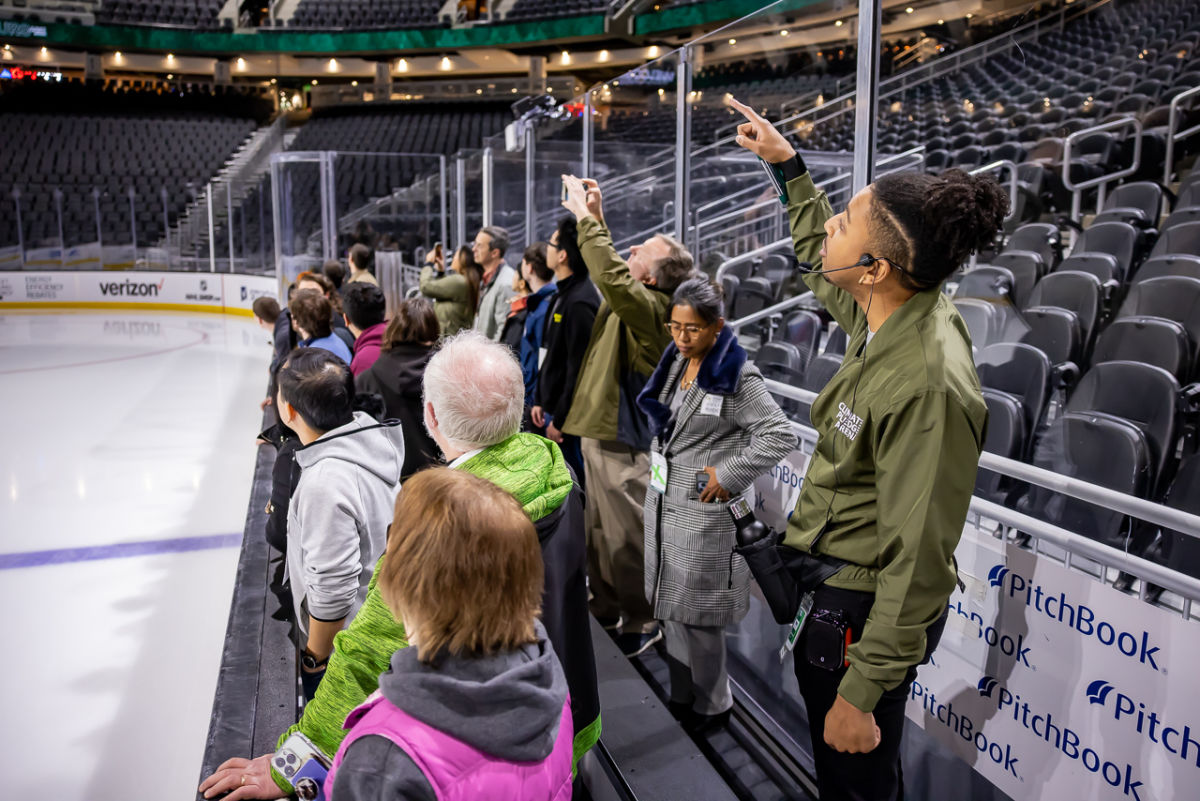
Something unusual happened in Seattle. The old KeyArena wasn't abandoned. In 2021 it was completely rebuilt and renamed Climate Pledge Arena. This is the world's first sports venue designed to be completely harmless to the environment. It runs only on clean energy, there are no plastic cups, and the ice for hockey is made without harmful chemicals.
Engineers created an incredible system: rainwater is collected and reused, solar panels provide electricity, and special filters purify the air. Even the food is prepared in ways that minimize waste.
And you know the most important thing? When builders planned the new arena, they asked children and teenagers — for the first time in Seattle's history — to say what they wanted the arena to be like. Hundreds of students came. They spoke about nature, about ensuring the building would help the planet, and about sports bringing people together.
Many of those ideas were realized. One of the girls who cried in 2008 over the SuperSonics' departure, in 2021 brought her daughter to the opening of the new arena and said: "Back then we weren't heard. But we didn't stay silent. And now this place was built with voices like yours in mind."
A Lesson Remembered Forever
The SuperSonics story teaches an important lesson: sometimes you can speak the truth, fight for what matters, and still not get what you want. That hurts. The children of Seattle couldn't keep their team.
But their voices didn't disappear. They echoed in other cities. They changed how adults think about children's opinions. They helped build an arena of the future that cares for the planet.
Today in Seattle there's a museum where some of those children's letters and posters from 2008 are kept. It reads: "Voices of young citizens. They spoke of love, loyalty, and home. We should have listened better."
Maybe someday the SuperSonics will return to Seattle. Or maybe they won't. But the children who fought for their team have already won something more important: they proved that children's voices matter. Even when it seems no one is listening, someone eventually will. And the world can change.
Your voice matters. Remember that.