Imagine the adults in your city arguing about something very important and expensive, unable to reach an agreement. Then a group of schoolchildren grabs notebooks and pens and decides, "We'll figure this out ourselves!" That's exactly what happened in Seattle in the late 1960s, when the city was deciding whether to build a huge domed stadium. This is the story of how a building many called a "terrible mistake" and a "waste of money" became a beloved place — and how, when it was demolished, people cried as if saying goodbye to an old friend.
In 1968 the adults of Seattle were fighting. Some said, "We need a modern stadium with a roof so we can play football and baseball even in the rain!" Others shouted, "This is madness! Why spend so much money on some dome?" Angry articles filled the newspapers. City meetings featured people arguing until they were hoarse. At one elementary school a teacher proposed an unusual project to her students: "Let's research this ourselves, like real reporters!"
Schoolchildren become investigators of a big question
The kids took the task seriously. They wrote letters to newspapers asking residents for their opinions. They created questionnaires and surveyed their parents, neighbors, and teachers. Some even walked the streets with notebooks, recording what people thought about the proposed stadium. One boy counted how many rainy days Seattle had each year (a lot!) and concluded that a roof would be practical. A girl drew what the stadium might look like and showed her drawing to younger classes.
The most surprising thing happened when the teacher helped the children arrange a meeting with city officials. Imagine: in a large office, important adults in suits sat while schoolchildren stood before them with homemade posters and charts. The kids presented the results of their survey, showed numbers, and explained why their families were "for" or "against" the project. The officials listened carefully. Of course, the final decision was still made by adults, but the fact that children took part in a real civic debate was unusual for the time.
In the end, in 1972 the city began building the stadium. It was named the Kingdome — the "King Dome." It was a huge gray building with a roof that looked like an inverted bowl. But even after construction began, many continued to grumble: "An ugly concrete monster! A waste of our taxes!"
How the "monster" became a favorite
The Kingdome opened in 1976, and that’s when the magic began. It turned out that playing and watching games under a roof was really great! No more getting soaked in the rain. The sound of cheering fans echoed off the dome and became deafening — teams said it gave them extra energy. In 1976 the NFL team the Seattle Seahawks moved in. The baseball team the Mariners also played there.
Gradually people began to form attachments to the building. Incredible victories happened there, thousands of people cheered with joy there, children came for the first time to a big stadium holding their parents' hands. One fan recalled, "I remember when my dad took me to the Kingdome as a child. I craned my neck, saw that enormous gray dome and thought: this is the biggest building in the world!" Of course it wasn't the biggest building, but to a child it seemed gigantic.
The Kingdome became part of the city's life. People stopped noticing that it was gray and concrete. They remembered the emotions: the winning goal, hugging strangers after a victory, eating hot dogs in the stands. The building once called a "mistake" turned into a home for dreams.
A farewell that made people cry
But the story has a sad ending. By the late 1990s the Kingdome had aged. The roof began leaking, concrete cracked, and new stadiums in other cities looked far more modern. Teams wanted newer, more comfortable facilities. In 2000 the city made a decision: the Kingdome had to be demolished.
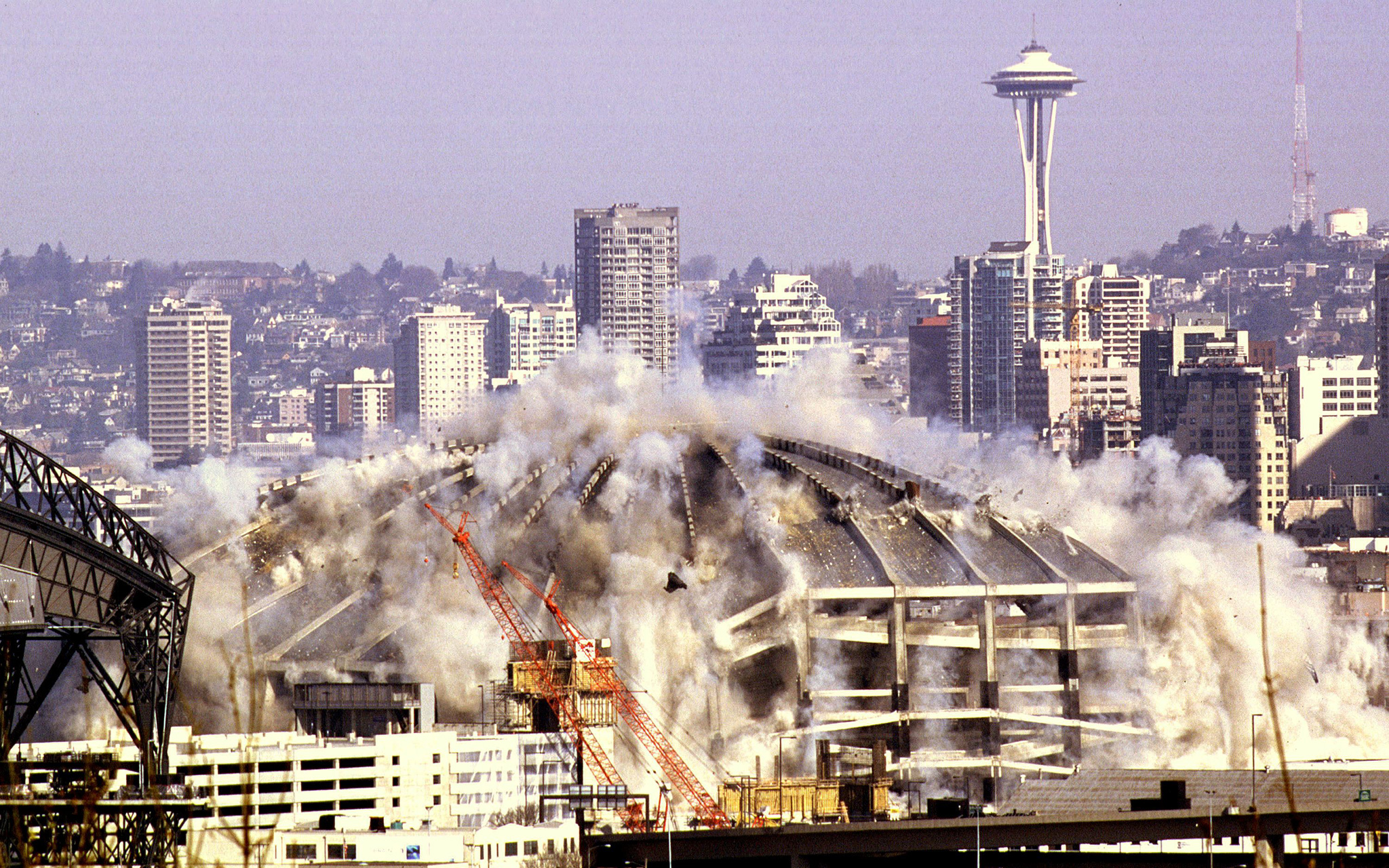
On March 26, 2000, thousands came to watch the explosion. Yes — they didn’t tear it down piece by piece; they blew it up! Experts set charges and the huge dome collapsed in seconds, turning into a cloud of dust. People stood and watched, and many cried. They cried! For a building they had called a "concrete monster" 30 years earlier!
One woman told reporters, "I remember how my mother protested the Kingdome’s construction. She said it was a waste of money. And today she stands next to me and cries because we are losing a place where part of our lives happened." Another man held an old ticket from a 1978 game and whispered, "Thank you, old friend."
Why we change our minds about buildings and people
This story teaches an important lesson: sometimes what seems like a bad idea becomes a treasure. And sometimes we only appreciate something when it’s gone. The Kingdome wasn't the most beautiful building. It wasn't perfect. But it became part of people's lives, a repository of their memories.
And the story also reminds us of those late-1960s schoolchildren who weren't afraid to take part in an adult dispute. They showed that even children can think about important issues, gather information, and express their opinions. Maybe one of those kids later brought their own children to the Kingdome and said, "You know, when I was your age, I helped the city decide whether to build this place."
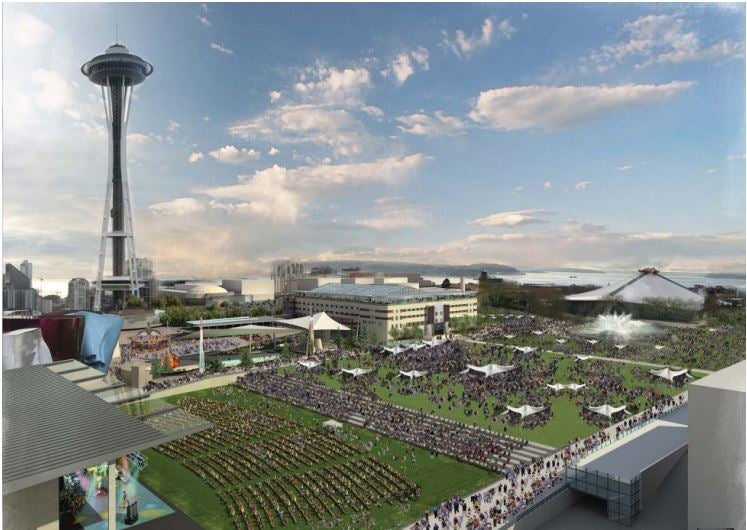
Today a new stadium — Lumen Field — stands where the Kingdome once was; the Seahawks still play there. It's modern, beautiful, comfortable. But longtime Seattle residents sometimes remember the old gray dome and smile. Because it was the first. Because it was theirs.
So a building born out of controversy became a treasure. And it reminds us: don't rush to judge the new and unfamiliar. Give it time. Maybe someday you'll cry when you say goodbye to something that once seemed strange.