Imagine all your friends have new phones, but you have an ordinary pencil—and it writes better than any of them. That’s roughly what Seattle’s Dick’s Drive-In is like. It opened in 1954 and has barely changed its core principles in more than 70 years. Its success doesn’t come from chasing the latest trends. It came up with its own way of doing things and has stuck to it.
How it all began
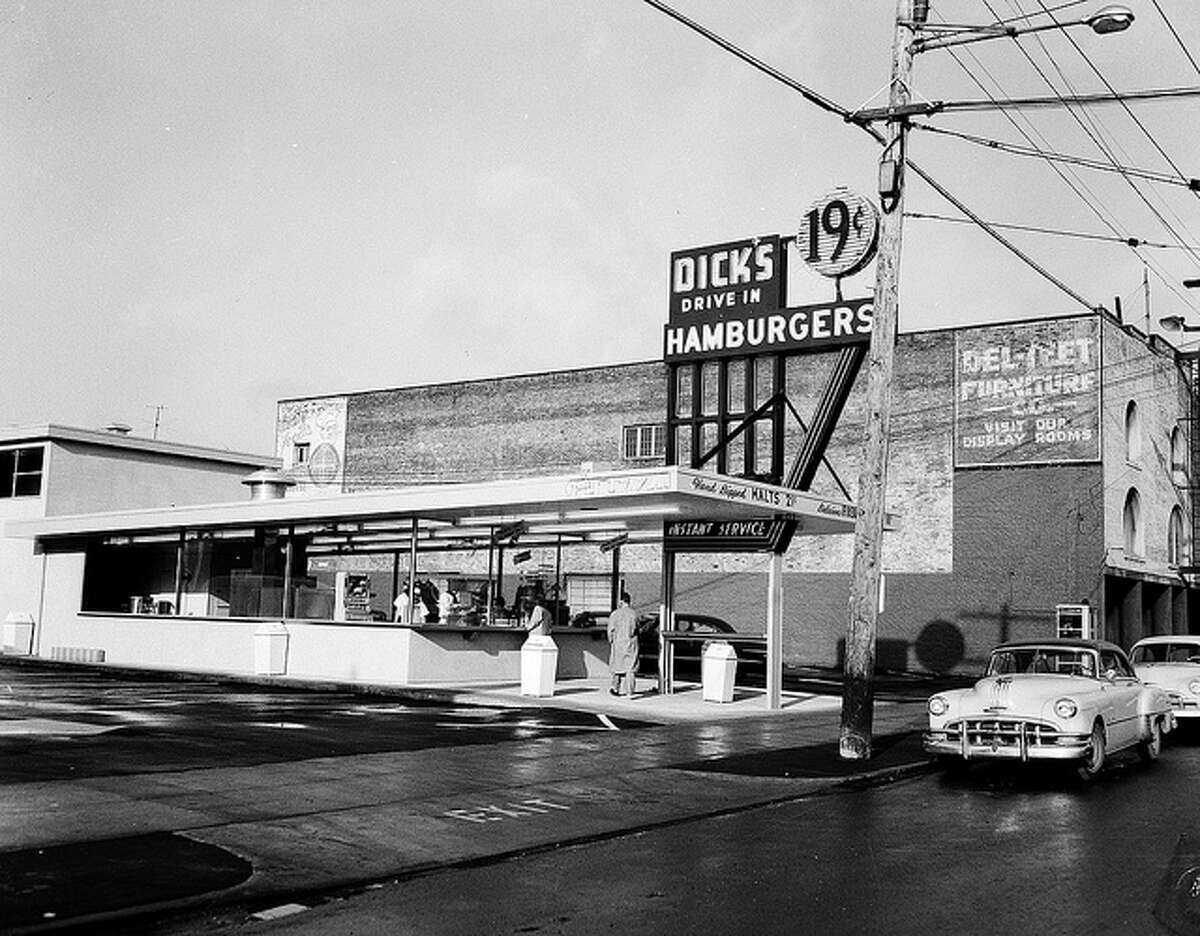
In January 1954, a small diner opened in Wallingford, in north Seattle. It was founded by Dick Spady and his partners. At the time, drive-ins—places where you could pull up in your car and grab a quick bite—were becoming increasingly popular across America.
The key was that the diner served very simple food at very low prices. A hamburger cost 19 cents—almost nothing by today’s standards. The menu was very short: burgers, fries, and milkshakes. No long lists of dishes.
What does “the technology of simplicity” mean?
The word “technology” doesn’t always mean computers and apps. It can mean any clever way of getting something done. Dick’s came up with a system based on a few simple rules:
- The menu is short. Cooks make the same things over and over, so they can work quickly and avoid mistakes.
- Food is served through a window. There’s no need to build a large dining room with tables or pay to clean and heat it.
- Potatoes are cut in the kitchen, and, according to the company, the meat is fresh. Nothing is prepared in advance and kept “in storage.”
- There are few locations, and they aren’t franchised. The owners oversee the operation themselves to make sure everything is done consistently well.
You can think of it as a kit with just a few pieces. When there aren’t many pieces, you know each one and can put them together faster and more neatly than you could with a huge box where nothing is easy to find. That’s how every movement in Dick’s kitchen works.
How this affects the bottom line
A simple system saves time and money. When you don’t have to buy lots of complicated equipment or maintain a huge menu, you have more room to do two important things: keep prices low and take care of your people.
Prices have, of course, risen over the past 70 years, as they have everywhere. The 19-cent hamburger is a thing of the past, but the diner is still considered one of the most affordable places in the city. That matters to schoolchildren, students, and families who want a tasty meal without spending much.
And then there are the employees. Dick’s pays workers more than the required minimum wage, provides health insurance, and offers scholarships to those who have worked there long enough. For many teenagers, it’s their first job—and it offers not just money but support for the future. These expenses pay off: experienced employees stay longer and know their jobs better, while customers get the same taste they’ve enjoyed for years. The exact amounts change over time, so it’s best to check the company’s official website.
My thoughts
What I like about this story is how it turns the usual idea of “innovation” on its head. We tend to think that newer means better. But Dick’s founders chose a different path: don’t add anything unnecessary, and do the essentials really well. They didn’t reject smart solutions. Their solutions just don’t shine like gadgets.
Of course, this isn’t the only right approach. Other companies grow in other ways, and that’s fine too. But Dick’s is a reminder that a good idea doesn’t have to be complicated.
Conclusion
The story of a diner in Wallingford shows that technology isn’t only about screens and apps. Sometimes it’s a well-organized routine, a short menu, and care for people. By keeping things simple, Dick’s has kept prices low for decades, supported its employees, and remained a favorite spot for many Seattle residents. Maybe the smartest innovation sometimes is simply not changing what already works well.